Meesho faces investor protest over anchor allotment to SBI Funds
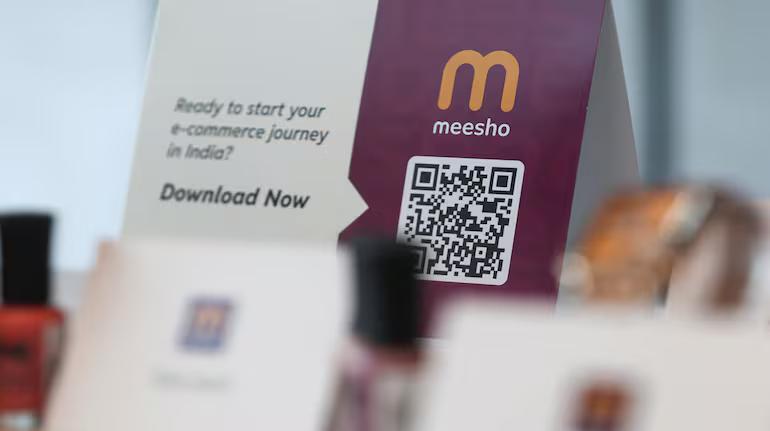
The Indian e-commerce landscape has witnessed significant growth in recent years, with numerous startups emerging and expanding their operations. Meesho, a social commerce platform, has been one of the notable players in this space. However, the company has recently faced a setback in its initial public offering (IPO) process. According to reports, Meesho’s anchor book faced investor withdrawals after a significant allocation to SBI Funds Management, prompting other large funds to exit in protest.
The anchor book is a crucial component of the IPO process, where a portion of the shares are allocated to institutional investors before the IPO opens for subscription. The anchor investors are typically large institutions, such as mutual funds, pension funds, and insurance companies, that provide stability to the IPO by committing to purchase a significant number of shares. In Meesho’s case, the anchor book was oversubscribed, with several large investors expressing interest in participating.
However, the allocation of a significant portion of the anchor book to SBI Funds Management has sparked controversy among other investors. Reports suggest that several large funds, including Capital Group, Aberdeen Group, ICICI Prudential Asset Management, and Nippon India Life Asset Management, have withdrawn from the IPO in protest. These investors had initially expressed interest in participating in the anchor book but were reportedly unhappy with the allocation to SBI Funds Management.
The reasons behind the protest are not entirely clear, but it is believed that some investors felt that the allocation to SBI Funds Management was excessive and favored one investor over others. This perception has led to a loss of confidence among some investors, prompting them to withdraw from the IPO. The exit of these large investors has raised concerns about the overall success of Meesho’s IPO, which is expected to be one of the largest in recent times.
Despite the controversy surrounding the anchor allotment, Meesho’s IPO lineup still includes several global investors, such as GIC and BlackRock. These investors have reportedly committed to purchasing a significant number of shares, which is expected to provide stability to the IPO. The participation of these global investors is a positive sign for Meesho, as it demonstrates their confidence in the company’s growth prospects and the Indian e-commerce market.
Meesho’s IPO is expected to be a significant event in the Indian capital markets, with the company seeking to raise funds to expand its operations and improve its financial position. The company has been growing rapidly, with its revenue increasing significantly over the past few years. However, the company still faces significant competition from other e-commerce players, such as Amazon and Flipkart, which have a strong presence in the Indian market.
The controversy surrounding the anchor allotment has highlighted the complexities of the IPO process and the need for transparency and fairness in the allocation of shares. The Securities and Exchange Board of India (SEBI) has guidelines in place to ensure that the IPO process is fair and transparent, but the Meesho incident has raised questions about the effectiveness of these guidelines.
In conclusion, Meesho’s IPO has faced a setback due to the controversy surrounding the anchor allotment to SBI Funds Management. While the company still has a strong lineup of global investors, the exit of several large funds has raised concerns about the overall success of the IPO. The incident highlights the need for transparency and fairness in the IPO process and the importance of ensuring that all investors are treated equally.
As the Indian e-commerce market continues to grow and evolve, it is essential for companies like Meesho to demonstrate their commitment to transparency and fairness in their dealings with investors. The success of Meesho’s IPO will depend on its ability to regain the trust of investors and demonstrate its growth prospects.
About the Author