Fk AI: Frankenstein Director Guillermo del Toro at Gotham Awards
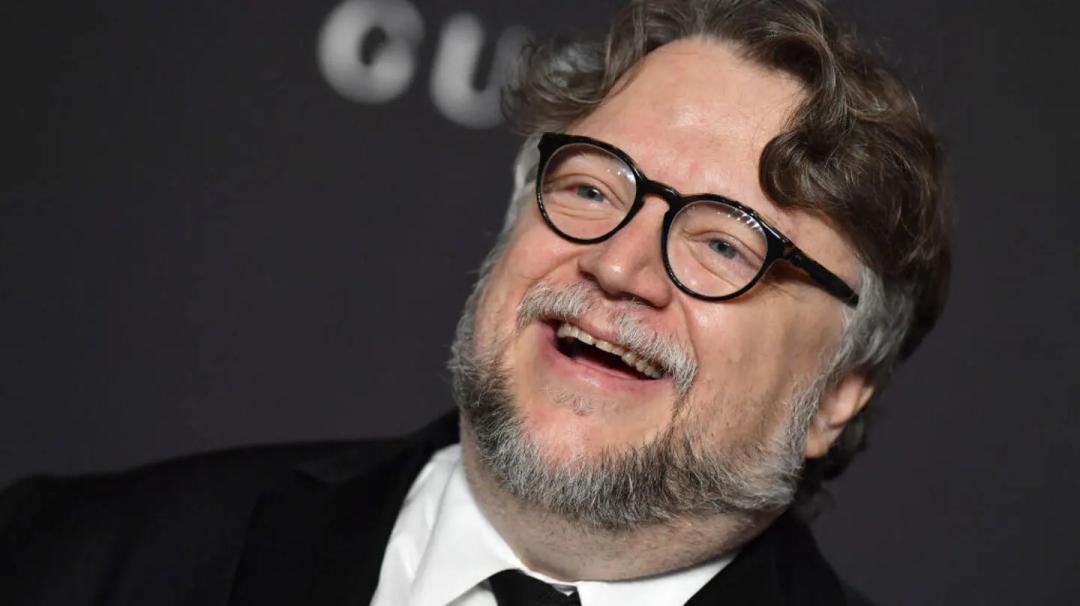
The Gotham Film Awards 2025 were filled with excitement and anticipation as the film industry’s finest gathered to celebrate outstanding achievements in cinema. However, the evening took an unexpected turn when Guillermo del Toro, the visionary director of the upcoming film “Frankenstein,” took the stage to receive the Vanguard Tribute award. Alongside his film’s lead actors, Jacob Elordi and Oscar Isaac, del Toro used the platform to express his strong sentiments against artificial intelligence (AI) in the film industry.
As del Toro accepted the prestigious award, he began by acknowledging the hard work and dedication that went into creating his latest masterpiece. “Every single frame of this film…was wilfully made by humans, for humans,” he emphasized, highlighting the importance of human creativity and emotion in storytelling. The audience was captivated by his words, and it was clear that del Toro was about to make a bold statement.
With unapologetic conviction, del Toro declared, “I would like to extend our gratitude and say: F**k AI.” The room fell silent, with some attendees gasping in surprise, while others applauded in agreement. The director’s unflinching criticism of AI sent shockwaves through the audience, sparking a heated debate about the role of technology in the film industry.
Del Toro’s statement was not just a fleeting moment of frustration; it was a thought-provoking commentary on the impact of AI on the creative process. As AI technology continues to advance, many filmmakers are turning to machine learning algorithms to streamline production, from scriptwriting to editing. While AI can undoubtedly enhance certain aspects of filmmaking, del Toro’s sentiments reflect a growing concern among artists that the over-reliance on technology could lead to a loss of human touch and emotional depth in storytelling.
The use of AI in filmmaking has been a topic of discussion in recent years, with some arguing that it can help reduce costs, increase efficiency, and even augment human creativity. However, others, like del Toro, believe that the incorporation of AI can result in a homogenization of ideas, stifling the unique perspectives and experiences that human filmmakers bring to the table.
Del Toro’s film, “Frankenstein,” is a testament to the power of human imagination and the importance of preserving traditional filmmaking techniques. The movie, which stars Jacob Elordi and Oscar Isaac, is a reimagining of the classic Mary Shelley novel, exploring themes of love, loss, and what it means to be human. By emphasizing the human element in his film, del Toro is making a statement about the value of emotional authenticity in storytelling.
The Gotham Film Awards ceremony was not just about recognizing outstanding achievements in cinema; it was also a celebration of the human spirit that drives the film industry. Del Toro’s bold statement served as a reminder that, in an era of rapid technological advancements, the creative process should remain a fundamentally human endeavor.
As the audience digested del Toro’s words, it was clear that his message had resonated with many. The film industry is at a crossroads, and the debate about the role of AI in filmmaking is far from over. While some may view del Toro’s statement as a provocative outburst, others see it as a necessary wake-up call, urging filmmakers to reconsider the implications of relying too heavily on technology.
In conclusion, Guillermo del Toro’s unapologetic criticism of AI at the Gotham Film Awards 2025 has sparked a vital conversation about the importance of human creativity in the film industry. As the film world continues to evolve, it is essential to remember that the art of storytelling is, at its core, a human endeavor. By preserving the emotional authenticity and unique perspectives that human filmmakers bring to the table, we can ensure that the stories we tell continue to captivate, inspire, and resonate with audiences around the world.
About the Author