T’gana minister slams Pawan for ‘evil eye’ remark, warns film ban
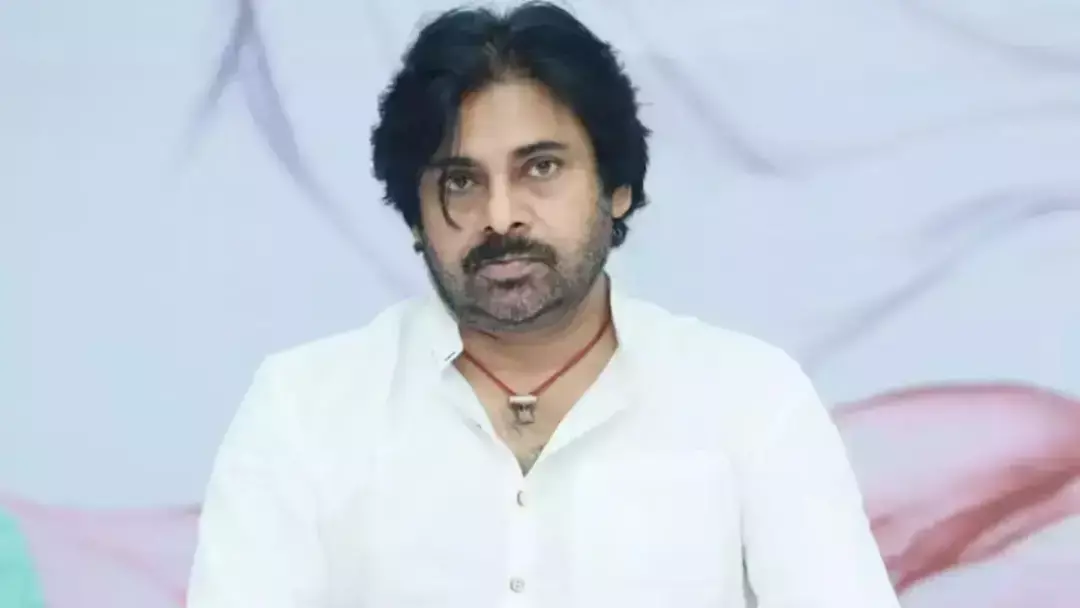
The world of politics and cinema often collide, leading to controversies that spark heated debates. Recently, Telangana Cinematography Minister Komatireddy Venkat Reddy found himself at the center of a maelstrom, locking horns with none other than Deputy Chief Minister and actor Pawan Kalyan. The bone of contention? A remark made by Kalyan that has left the Minister and many others fuming.
It all began when Pawan Kalyan, known for his charismatic on-screen presence, made a comment that was perceived as insensitive and unbecoming of a public figure. While addressing a gathering, Kalyan attributed the dying coconut trees in the Konaseema region to “evil eye” (or “drishti” in local parlance). This remark was met with widespread criticism, with many accusing the actor-politician of being flippant and dismissive of the genuine concerns of the people.
Minister Komatireddy Venkat Reddy was quick to respond, demanding an apology from Pawan Kalyan for his thoughtless comment. Reddy’s reaction was not just a knee-jerk response; it was a reflection of the outrage and frustration felt by the people of Telangana. The Minister’s statement was clear and unequivocal: “If Pawan Kalyan apologises, his movies will be screened at least a couple of days, if he fails to apologise, his films won’t release anywhere in Telangana.”
This warning has sent shockwaves through the film industry, with many wondering if Pawan Kalyan’s movies will indeed face a ban in Telangana. The implications of such a move would be far-reaching, affecting not just Kalyan’s career but also the livelihoods of countless people involved in the film industry.
So, what prompted Pawan Kalyan to make such a remark? Was it a genuine attempt to offer a solution, or was it a thoughtless comment made without considering the consequences? Regardless of his intentions, the fact remains that Kalyan’s comment has sparked a firestorm, with many accusing him of being out of touch with the people.
The issue of dying coconut trees in the Konaseema region is a serious one, with many farmers and villagers affected by the phenomenon. The region, known for its lush green coconut groves, has been witnessing a mysterious disease that has been killing the trees. The cause of the disease is still unknown, and the people are looking for answers and solutions, not attributions to “evil eye.”
In this context, Pawan Kalyan’s comment was seen as a cop-out, a refusal to acknowledge the gravity of the situation and the need for concrete action. By attributing the problem to “evil eye,” Kalyan was, in effect, dismissing the concerns of the people and shifting the focus away from the real issues.
The controversy has also raised questions about the role of politicians in addressing the concerns of the people. As public figures, they have a responsibility to be sensitive to the needs and concerns of their constituents. By making thoughtless comments, they not only undermine their own credibility but also erode the trust of the people.
As the drama unfolds, it remains to be seen how Pawan Kalyan will respond to the Minister’s demand for an apology. Will he apologize and diffuse the situation, or will he stand his ground and risk facing the consequences? One thing is certain, however: the people of Telangana will be watching closely, and their verdict will be reflected in the way they respond to Kalyan’s movies in the future.
In conclusion, the controversy surrounding Pawan Kalyan’s comment is a reminder that words have power and that public figures must be mindful of the impact of their words on others. As the people of Telangana wait for a resolution, one thing is clear: the Minister’s warning is not an empty threat, and Pawan Kalyan would do well to take it seriously.
About the Author