T’gana minister slams Pawan for ‘evil eye’ remark, warns film ban
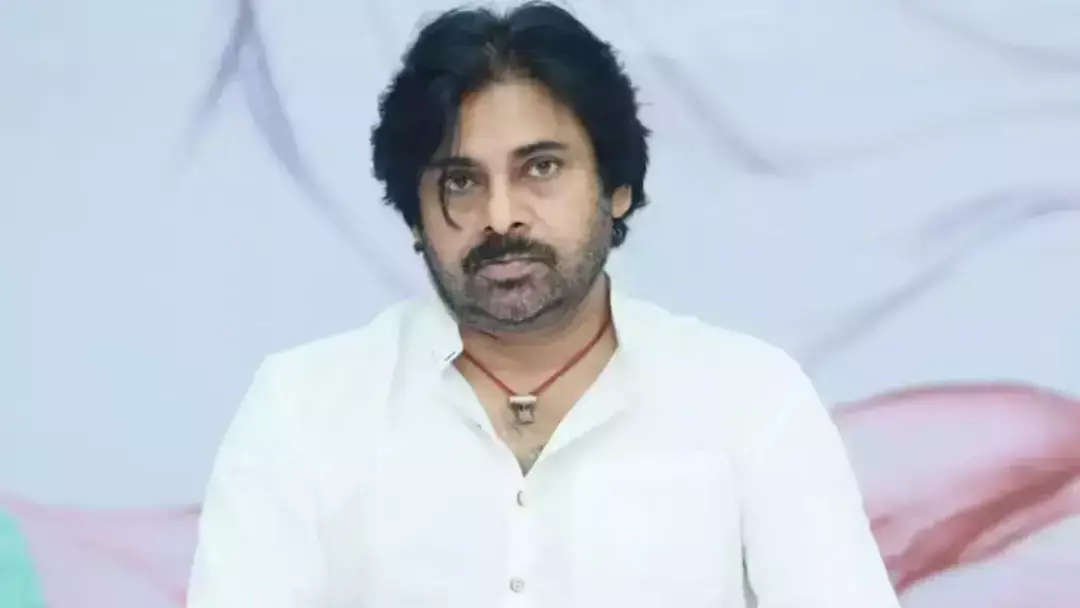
The world of politics and entertainment often collide, and the latest controversy involves Telangana Cinematography Minister Komatireddy Venkat Reddy and Deputy Chief Minister and actor Pawan Kalyan. The issue at hand is a remark made by Kalyan regarding the dying coconut trees in the Konaseema region, which has sparked a heated debate and potentially threatens the release of Kalyan’s future films in Telangana.
The controversy began when Pawan Kalyan, during a recent visit to the Konaseema region, attributed the dying coconut trees to an “evil eye.” This statement was met with widespread criticism, with many accusing Kalyan of being insensitive and superstitious. The Minister of Cinematography, Komatireddy Venkat Reddy, was particularly vocal in his disapproval, demanding an apology from Kalyan for his remarks.
Reddy’s demand for an apology was not just a simple request; it came with a warning. The Minister stated that if Kalyan failed to apologize for his comments, his films would not be allowed to release in Telangana. This is a significant threat, considering the large following Kalyan has in the state and the potential economic impact on the film industry. Reddy’s warning was clear: “If Pawan Kalyan apologises, his movies will be screened at least a couple of days, if he fails to apologise, his films won’t release anywhere in Telangana.”
The “evil eye” remark made by Kalyan has been widely criticized, with many seeing it as a simplistic and unscientific explanation for a complex environmental issue. The dying coconut trees in the Konaseema region are a serious concern, and many experts have attributed the problem to a combination of factors, including climate change, pollution, and disease. By attributing the issue to an “evil eye,” Kalyan has been accused of trivializing the problem and failing to provide a meaningful solution.
The controversy has also sparked a debate about the role of politicians and celebrities in addressing social and environmental issues. While Kalyan’s comments may have been well-intentioned, they have been seen as misguided and lacking in substance. The incident highlights the need for public figures to be more thoughtful and informed in their comments, particularly when it comes to complex issues like environmental degradation.
The demand for an apology from Kalyan has also raised questions about the limits of free speech and the role of government in regulating public discourse. While Reddy’s warning to ban Kalyan’s films may be seen as an overreach, it also highlights the need for public figures to be accountable for their words and actions. The incident has sparked a wider debate about the relationship between politics, entertainment, and social responsibility.
In conclusion, the controversy surrounding Pawan Kalyan’s “evil eye” remark has sparked a heated debate about the role of politicians and celebrities in addressing social and environmental issues. The demand for an apology from Kalyan and the warning to ban his films have raised questions about the limits of free speech and the role of government in regulating public discourse. As the situation continues to unfold, it remains to be seen how Kalyan will respond to the criticism and whether his films will be allowed to release in Telangana.
The incident is a reminder that public figures have a significant influence on public opinion and that their words and actions can have far-reaching consequences. It is essential for celebrities and politicians to be mindful of their impact and to take responsibility for their statements and actions. The controversy surrounding Kalyan’s remark serves as a timely reminder of the need for greater awareness, sensitivity, and accountability in public discourse.
As the people of Telangana wait to see how the situation will unfold, one thing is clear: the incident has sparked a necessary conversation about the role of public figures in addressing social and environmental issues. The demand for an apology from Kalyan and the warning to ban his films may be seen as extreme, but it highlights the need for greater accountability and responsibility in public discourse.
In the end, the controversy surrounding Pawan Kalyan’s “evil eye” remark serves as a reminder of the complex and often fraught relationship between politics, entertainment, and social responsibility. As the situation continues to unfold, it remains to be seen how Kalyan will respond to the criticism and whether his films will be allowed to release in Telangana. One thing is certain, however: the incident has sparked a necessary conversation about the need for greater awareness, sensitivity, and accountability in public discourse.
About the Author