T’gana minister slams Pawan for ‘evil eye’ remark, warns film ban
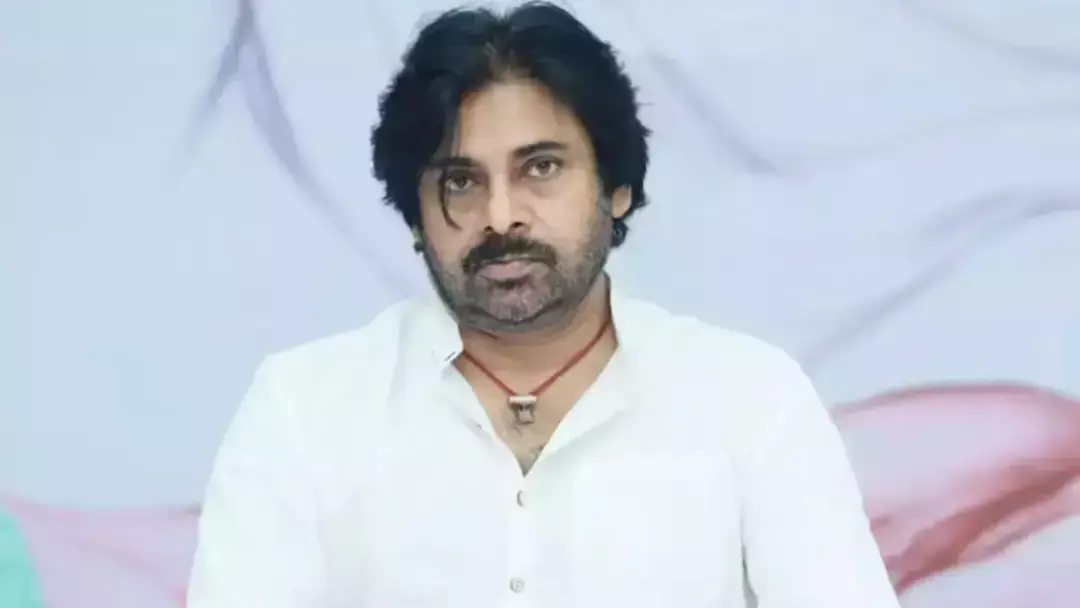
The world of politics and entertainment often collide, and the latest example of this intersection is the controversy surrounding Telugu actor and Deputy Chief Minister Pawan Kalyan. In a recent statement, Kalyan blamed the “evil eye” for the dying coconut trees in the Konaseema region, sparking outrage and criticism from various quarters. One of the most vocal critics of Kalyan’s statement is Telangana Cinematography Minister Komatireddy Venkat Reddy, who has demanded an apology from the actor-turned-politician.
The issue began when Kalyan visited the Konaseema region, where he was informed about the large number of coconut trees that were dying due to unknown reasons. Instead of offering a solution or expressing concern for the affected farmers, Kalyan attributed the phenomenon to the “evil eye,” a superstition that is often used to explain misfortunes or calamities. This remark was met with widespread criticism, with many accusing Kalyan of being insensitive and unscientific in his approach.
Minister Komatireddy Venkat Reddy was particularly scathing in his criticism of Kalyan, saying that the actor’s remark was not only unbecoming of a public figure but also an insult to the people of Telangana. Reddy demanded that Kalyan apologize for his statement, warning that if he failed to do so, his films would not be allowed to release in Telangana. “If Pawan Kalyan apologises, his movies will be screened at least a couple of days, if he fails to apologise, his films won’t release anywhere in Telangana,” Reddy said.
This threat has sparked a heated debate in the film industry, with many wondering if the minister’s warning is a legitimate exercise of power or an attempt to censor artistic expression. While some have come out in support of Reddy, arguing that Kalyan’s remark was indeed insensitive and deserving of criticism, others have accused the minister of overreacting and trying to stifle free speech.
The controversy has also raised questions about the role of politicians in the film industry. As a Deputy Chief Minister, Kalyan is expected to be a responsible and informed public figure, and his remark about the “evil eye” has been seen as a failure to live up to these expectations. On the other hand, Minister Reddy’s warning has been seen as an attempt to assert his authority and remind Kalyan of the consequences of his actions.
The film industry in Telangana is a significant contributor to the state’s economy, and any ban on Kalyan’s films could have far-reaching consequences. The actor has a large following in the state, and his films are often eagerly anticipated by fans. A ban on his films could not only hurt the actor’s reputation but also affect the livelihoods of thousands of people who work in the film industry.
In recent years, there have been several instances of films being banned or facing censorship in India, often due to political or social pressures. While the Indian Constitution guarantees freedom of expression, this right is not absolute, and there are several exceptions that allow for restrictions on speech and artistic expression. However, in this case, the minister’s warning has been seen as an overreach, and many have argued that it is not the government’s place to dictate what can or cannot be said by a public figure.
As the controversy continues to simmer, it remains to be seen how Kalyan will respond to Minister Reddy’s demand for an apology. Will the actor apologize and retract his statement, or will he stand by his words and face the consequences? The outcome of this controversy will not only have implications for Kalyan’s career but also for the film industry in Telangana and the broader debate about free speech and censorship in India.
In conclusion, the controversy surrounding Pawan Kalyan’s remark about the “evil eye” has sparked a heated debate about the role of politicians in the film industry, the limits of free speech, and the consequences of censorship. While Minister Komatireddy Venkat Reddy’s warning has been seen as an overreach, it has also highlighted the need for public figures to be responsible and informed in their statements. As the situation continues to unfold, it remains to be seen how Kalyan will respond to the criticism and what the consequences will be for the film industry in Telangana.
About the Author