H-1B visa approvals for Indian IT firms fall by 70% since 2015
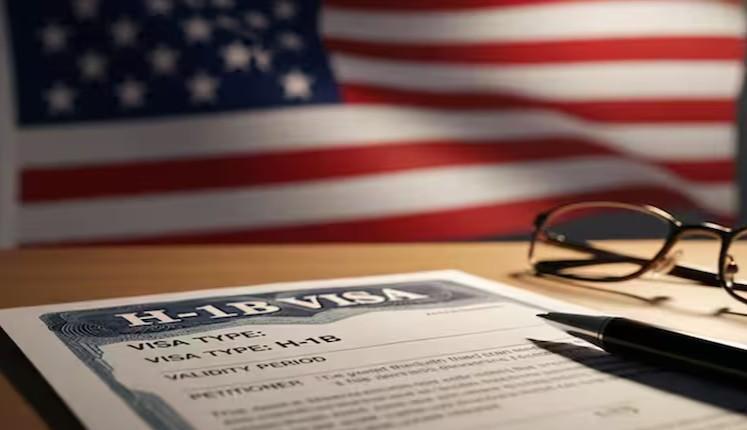
The Indian IT services industry has been facing significant challenges in recent years, particularly with regards to H-1B visa approvals. According to a report by the National Foundation for American Policy (NFAP), Indian IT services companies have registered a staggering 70% drop in H-1B visa approvals since 2015. This decline is a major cause for concern for the industry, which has long relied on the H-1B visa program to bring skilled workers to the United States.
The NFAP report, which cites data from the United States Citizenship and Immigration Services (USCIS), reveals that the top seven Indian IT firms secured just 4,573 initial-employment petitions in Fiscal Year 2025. This marks a 37% reduction since last year, highlighting the significant decline in H-1B visa approvals for these companies. Tata Consultancy Services (TCS) was the only Indian IT company among the top five firms in terms of H-1B visa approvals.
The H-1B visa program is a non-immigrant visa that allows US employers to temporarily employ foreign workers in specialty occupations. The program is highly popular among Indian IT services companies, which use it to bring skilled workers to the US to work on projects for American clients. However, in recent years, the program has faced increased scrutiny and restrictions, making it more difficult for companies to secure visas for their employees.
The decline in H-1B visa approvals for Indian IT firms is attributed to several factors, including changes in US immigration policies and increased scrutiny of visa applications. The Trump administration’s “Buy American, Hire American” executive order, which aimed to protect American workers and promote domestic employment, has had a significant impact on the H-1B visa program. The order led to increased scrutiny of visa applications and a more restrictive approach to approving H-1B petitions.
The COVID-19 pandemic has also had a significant impact on the H-1B visa program, with many US consulates and embassies suspending visa processing services due to lockdowns and travel restrictions. This has resulted in a significant backlog of visa applications, making it even more challenging for Indian IT firms to secure H-1B visas for their employees.
The decline in H-1B visa approvals has significant implications for the Indian IT services industry, which is a major contributor to India’s economy. The industry is facing increased competition from other countries, such as China and the Philippines, which are also vying for a share of the global IT services market. The decline in H-1B visa approvals could lead to a decline in revenue and profitability for Indian IT firms, making it more challenging for them to compete in the global market.
The Indian government has been actively engaging with the US government to address the issues faced by Indian IT firms in securing H-1B visas. The government has argued that the H-1B visa program is essential for the growth and development of the Indian IT services industry, and that it helps to promote economic cooperation and trade between the two countries.
In response to the decline in H-1B visa approvals, Indian IT firms are exploring alternative visa options, such as the L-1 visa, which allows companies to transfer employees from their overseas offices to the US. They are also investing in training and development programs to upskill their employees and make them more competitive in the global market.
In conclusion, the decline in H-1B visa approvals for Indian IT firms is a significant challenge for the industry, which has long relied on the H-1B visa program to bring skilled workers to the US. The industry must adapt to the changing immigration landscape and explore alternative visa options to remain competitive in the global market. The Indian government must also continue to engage with the US government to address the issues faced by Indian IT firms and promote economic cooperation and trade between the two countries.
About the Author