Drama is not discussing huge issues: Priyanka on PM’s drama remark
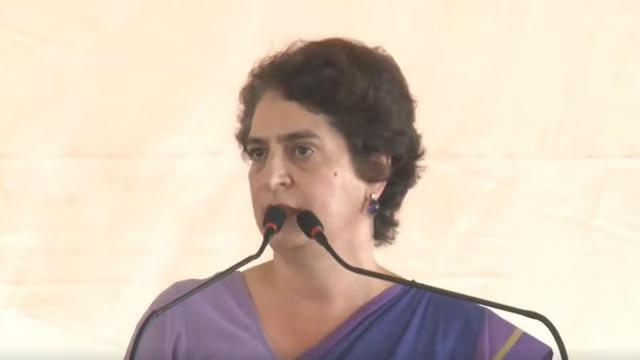
In a recent statement, Prime Minister Narendra Modi emphasized the need for “delivery, not drama” in Parliament. However, Congress MP Priyanka Gandhi Vadra has countered this remark, arguing that drama is not about creating a spectacle, but rather about allowing for open and honest discussions on issues that matter to the public. According to Priyanka, huge concerns such as the election situation, the Special Intensive roll, and Delhi’s severe air pollution demand a thorough and transparent debate.
The Prime Minister’s comment was likely aimed at the opposition’s tendency to disrupt proceedings in Parliament, often through vocal protests and walkouts. However, Priyanka Gandhi Vadra has turned the tables on this narrative, suggesting that the government is attempting to stifle discussion and debate on critical issues. “Drama is not allowing discussion…over issues that matter to public,” she said, emphasizing the need for open and inclusive dialogue in the country’s highest legislative body.
Priyanka’s statement highlights the importance of parliamentary debate in a functioning democracy. The Parliament is meant to be a platform where elected representatives can engage in constructive discussion, raise concerns, and hold the government accountable for its actions. By characterizing opposition protests as “drama,” the Prime Minister’s remark may be seen as an attempt to undermine the legitimacy of these discussions and the role of the opposition in general.
The issues that Priyanka Gandhi Vadra has highlighted as requiring open debate are indeed pressing concerns that affect the lives of millions of Indians. The election situation, for instance, has been marked by controversy and allegations of foul play, with many opposition parties expressing concerns about the integrity of the electoral process. The Special Intensive roll, which aims to update the electoral rolls, has also been criticized for its potential to disenfranchise certain sections of the population.
Delhi’s severe air pollution, meanwhile, has become a perennial crisis, with the city’s residents struggling to breathe and the government facing criticism for its inadequate response. These issues, among others, demand a thorough and transparent discussion in Parliament, where lawmakers can scrutinize government policies, raise questions, and propose solutions.
By emphasizing the need for debate and discussion, Priyanka Gandhi Vadra is reminding us that the Parliament is not just a rubber-stamp institution, but a forum for representative democracy. The opposition has a crucial role to play in holding the government accountable, and this requires a willingness to engage in open and sometimes contentious debate.
As Priyanka asked, “What is the Parliament for?” The answer, of course, is that the Parliament is for representing the people, debating and discussing issues that affect their lives, and holding the government accountable for its actions. By reducing the opposition’s protests to “drama,” the Prime Minister’s remark may be seen as an attempt to sideline these critical functions and undermine the legitimacy of parliamentary democracy.
In conclusion, Priyanka Gandhi Vadra’s response to the Prime Minister’s remark highlights the importance of open and honest discussion in Parliament. By emphasizing the need for debate and transparency, she is reminding us that the Parliament is a vital institution in our democracy, and that its role in holding the government accountable and representing the people must be taken seriously. As the country grapples with pressing issues like election reform, environmental crisis, and social inequality, the need for constructive dialogue and debate in Parliament has never been more urgent.
About the Author