H-1B visa approvals for Indian IT firms fall by 70% since 2015
The Indian IT services industry has been facing significant challenges in recent years, and one of the major concerns has been the decline in H-1B visa approvals. According to a report by the National Foundation for American Policy (NFAP), Indian IT services companies have registered a 70% drop in H-1B visa approvals from 2015. This decline has been steady over the years, with the top seven Indian IT firms securing just 4,573 initial-employment petitions in FY 2025, marking a 37% reduction since last year.
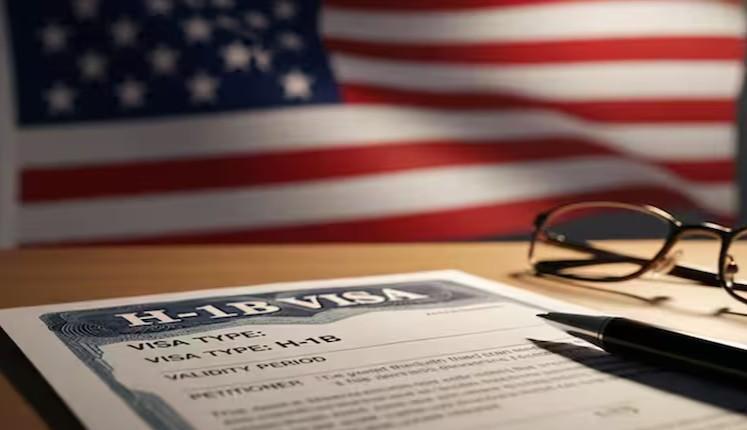
The report, which cites data from the United States Citizenship and Immigration Services (USCIS), highlights the significant impact of the declining H-1B visa approvals on the Indian IT industry. The H-1B visa program is a non-immigrant visa that allows US employers to temporarily employ foreign workers in specialty occupations. Indian IT companies have been among the largest beneficiaries of this program, using it to send skilled workers to the US to work on client projects.
The decline in H-1B visa approvals has been attributed to various factors, including changes in US immigration policies, increased scrutiny of visa applications, and a rise in visa denials. The Trump administration’s “Buy American, Hire American” executive order, which aimed to protect American workers, has been cited as one of the main reasons for the decline. The order directed federal agencies to review and revise their visa programs to ensure that they prioritize American workers.
The NFAP report notes that the top seven Indian IT firms, which include Tata Consultancy Services (TCS), Infosys, Wipro, HCL America, Tech Mahindra, Larsen & Toubro Infotech, and Mindtree, have been affected significantly by the decline in H-1B visa approvals. In FY 2015, these companies received 14,792 H-1B visa approvals, but this number has been declining steadily over the years. In FY 2025, the same companies received just 4,573 initial-employment petitions, a decline of 69% from FY 2015.
TCS was the only Indian IT company among the top five firms to receive H-1B visa approvals in FY 2025. The company received 1,424 initial-employment petitions, followed by Infosys with 744 approvals, Wipro with 664 approvals, and HCL America with 445 approvals. The decline in H-1B visa approvals has forced Indian IT companies to explore alternative visa options, such as the L-1 visa, which allows companies to transfer employees from their foreign offices to the US.
The decline in H-1B visa approvals has significant implications for the Indian IT industry, which relies heavily on the US market for its growth. The industry has been facing increasing competition from global players, and the decline in H-1B visa approvals has made it even more challenging for Indian companies to compete. The industry has been lobbying with the US government to increase the H-1B visa quota and to simplify the visa application process.
The NFAP report notes that the decline in H-1B visa approvals has also affected the US economy, as it has limited the ability of US companies to hire the best talent from around the world. The report argues that the H-1B visa program has been a key driver of innovation and economic growth in the US, and that the decline in visa approvals has hindered the ability of US companies to compete globally.
In conclusion, the decline in H-1B visa approvals for Indian IT firms is a significant concern for the industry, and it has major implications for the US economy. The Indian IT industry has been a major beneficiary of the H-1B visa program, and the decline in visa approvals has forced companies to explore alternative visa options. The industry has been lobbying with the US government to increase the H-1B visa quota and to simplify the visa application process. It remains to be seen how the US government will respond to these concerns, but one thing is clear: the decline in H-1B visa approvals is a major challenge for the Indian IT industry, and it requires urgent attention from policymakers.
About the Author