Drama is not discussing huge issues: Priyanka on PM’s drama remark
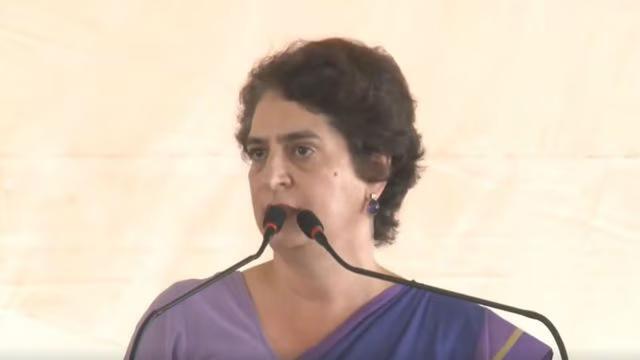
In a recent statement, Prime Minister Narendra Modi emphasized the need for “delivery, not drama” in Parliament. However, Congress MP Priyanka Gandhi Vadra has countered this remark, stating that “drama is not allowing discussion” over issues that matter to the public. According to Priyanka, huge concerns such as the election situation, the Special Intensive roll, and Delhi’s severe air pollution demand open debate. She questioned the purpose of Parliament if not to discuss these critical issues, asking, “Let us discuss them. What is the Parliament for?”
Priyanka’s response highlights the importance of constructive debate and discussion in the functioning of a democratic institution like Parliament. The role of Parliament is not only to pass laws but also to provide a platform for representatives to raise concerns, engage in debates, and hold the government accountable for its actions. By labeling discussions as “drama,” the Prime Minister’s remark undermines the very essence of parliamentary democracy.
The issues that Priyanka has highlighted are indeed critical and demand attention from the government and the Parliament. The election situation, for instance, is a pressing concern that affects the very foundation of democracy. The Special Intensive roll, which aims to identify and delete duplicate or fake voters from the electoral rolls, is a crucial exercise that requires transparency and accountability. Similarly, Delhi’s severe air pollution is a public health emergency that demands immediate attention and action from the government.
By refusing to discuss these issues, the government is essentially dodging its responsibility to address the concerns of the public. The Parliament is meant to be a representative body that reflects the voices and concerns of the people. By suppressing discussions and debates, the government is undermining the democratic process and denying the people their right to be heard.
Priyanka’s statement also underscores the need for a more nuanced understanding of what constitutes “drama” in the context of parliamentary proceedings. While it is true that some MPs may engage in theatrics or disruptive behavior, it is unfair to tar all discussions and debates with the same brush. The Parliament is a forum for passionate debates and disagreements, and it is through these discussions that the country’s most pressing issues are addressed.
Furthermore, the Prime Minister’s remark raises questions about his government’s commitment to transparency and accountability. If the government is not willing to discuss critical issues in Parliament, it raises concerns about the government’s willingness to be held accountable for its actions. The Parliament is meant to be a check on the executive, and by suppressing discussions, the government is essentially undermining this check.
In conclusion, Priyanka Gandhi Vadra’s response to the Prime Minister’s remark highlights the importance of constructive debate and discussion in the functioning of Parliament. The issues that she has highlighted are critical and demand attention from the government and the Parliament. By refusing to discuss these issues, the government is essentially dodging its responsibility to address the concerns of the public. The Parliament is meant to be a representative body that reflects the voices and concerns of the people, and it is through open and transparent discussions that the country’s most pressing issues can be addressed.
As Priyanka aptly put it, “Let us discuss them. What is the Parliament for?” The answer to this question is clear: the Parliament is for discussing and debating the issues that matter to the public, holding the government accountable for its actions, and ensuring that the voices of the people are heard. Anything less would be a betrayal of the democratic principles that our country is founded upon.
About the Author