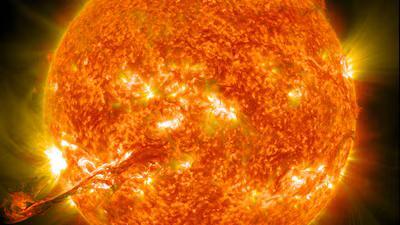
Aditya-L1 set to observe Sun’s maximum in 2026
The year 2026 is expected to be a significant one for space weather enthusiasts and scientists alike, as the Sun is predicted to reach its solar maximum. This peak phase in the Sun’s 11-year cycle is characterized by heightened solar storms, frequent coronal mass ejections, and rapid magnetic activity changes. To closely monitor this phenomenon, India’s first dedicated solar observatory, Aditya-L1, is all set to play a crucial role. In this blog post, we will delve into the details of Aditya-L1 and its mission to observe the Sun’s maximum activity in 2026.
What is Aditya-L1?
Aditya-L1 is a space-based observatory designed to study the Sun’s corona, the outer atmosphere of the Sun. The mission is a collaborative effort between the Indian Space Research Organisation (ISRO) and various academic institutions in India. The primary objective of Aditya-L1 is to understand the Sun’s corona and its impact on the solar system. The observatory is equipped with a range of instruments, including a coronagraph, a solar wind monitor, and a magnetometer, which will help scientists study the Sun’s magnetic field, solar wind, and coronal mass ejections.
The Sun’s 11-year cycle
The Sun’s activity follows an 11-year cycle, known as the solar cycle. During this cycle, the Sun’s magnetic field flips, shifting from a quiet phase to an intense phase. The solar maximum, which occurs at the peak of the cycle, is characterized by increased solar activity, including sunspots, solar flares, and coronal mass ejections. These events can have a significant impact on the Earth’s magnetic field, causing geomagnetic storms that can disrupt communication and navigation systems.
What to expect in 2026
In 2026, the Sun is expected to reach its solar maximum, marking the peak of the current solar cycle. During this time, scientists expect to see heightened solar storms, frequent coronal mass ejections, and rapid magnetic activity changes. These events will provide valuable insights into space weather and its impact on the Earth’s magnetic field. Aditya-L1, with its advanced instruments, will play a crucial role in monitoring these events and providing scientists with a wealth of data to study.
The significance of Aditya-L1’s mission
The Aditya-L1 mission is significant for several reasons. Firstly, it will provide scientists with a unique opportunity to study the Sun’s corona and its impact on the solar system. Secondly, the mission will help scientists understand the causes of space weather and its effects on the Earth’s magnetic field. Finally, the mission will demonstrate India’s capabilities in space-based astronomy and its commitment to advancing our understanding of the universe.
The instruments on board Aditya-L1
Aditya-L1 is equipped with a range of instruments that will help scientists study the Sun’s corona and its impact on the solar system. Some of the key instruments on board include:
- A coronagraph, which will study the Sun’s corona and its structure
- A solar wind monitor, which will measure the solar wind and its properties
- A magnetometer, which will measure the Sun’s magnetic field and its changes
- A payload to study the solar corona in the visible and infrared regions
The benefits of Aditya-L1’s mission
The Aditya-L1 mission is expected to have several benefits, including:
- Advancing our understanding of the Sun’s corona and its impact on the solar system
- Providing valuable insights into space weather and its effects on the Earth’s magnetic field
- Demonstrating India’s capabilities in space-based astronomy
- Enhancing our understanding of the Sun’s magnetic field and its changes
Conclusion
In conclusion, the Aditya-L1 mission is a significant milestone in India’s space program, and its observations of the Sun’s maximum activity in 2026 will provide valuable insights into space weather. With its advanced instruments and collaborative approach, Aditya-L1 is poised to make a significant contribution to our understanding of the Sun and its impact on the solar system. As we look forward to the Sun’s solar maximum in 2026, we can expect exciting discoveries and a deeper understanding of the universe.
About the Author