Drama is not discussing huge issues: Priyanka on PM’s drama remark
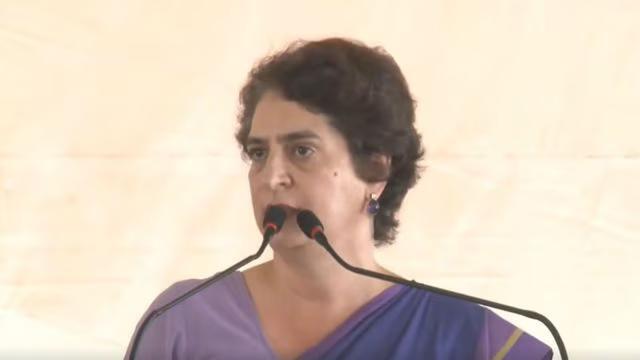
In a recent statement, Prime Minister Narendra Modi emphasized the need for “delivery, not drama” in Parliament. However, Congress MP Priyanka Gandhi Vadra has countered this comment, arguing that drama is not about creating a spectacle, but rather about allowing discussions on issues that matter to the public. According to Priyanka, huge concerns such as the election situation, the Special Intensive roll, and Delhi’s severe air pollution demand open debate.
Priyanka’s response comes at a time when the Indian Parliament is facing criticism for its inability to engage in constructive discussions on key issues. The PM’s remark was seen as an attempt to shift the focus away from the government’s lack of action on pressing matters and towards the perceived theatrics of the opposition. However, Priyanka has turned the tables, suggesting that the real drama is not about grandstanding, but about the government’s reluctance to address the concerns of the people.
The election situation, for instance, is a critical issue that requires urgent attention. With various state elections lined up, the government’s handling of the electoral process has come under scrutiny. The opposition has raised concerns about the use of money power, voter suppression, and the influence of external factors on the outcome of the elections. By terming discussions on these issues as “drama,” the government is attempting to brush aside the legitimate concerns of the people.
Similarly, the Special Intensive roll is another issue that demands open debate. The government’s plan to create a comprehensive database of citizens has raised concerns about privacy, surveillance, and the potential for misuse of personal data. The opposition has argued that the government’s approach is heavy-handed and lacks transparency, and that a more nuanced discussion is necessary to address the concerns of the people.
Delhi’s severe air pollution is yet another issue that requires immediate attention. The national capital has been grappling with hazardous air quality, and the government’s response has been criticized as inadequate. The opposition has demanded that the government take concrete steps to address the issue, including implementing measures to reduce pollution, increasing the use of public transport, and promoting sustainable practices.
Priyanka’s statement highlights the importance of allowing discussions on these issues in Parliament. By terming them as “drama,” the government is attempting to stifle debate and avoid accountability. However, as Priyanka pointed out, “Let us discuss them. What is the Parliament for?” The Parliament is the highest legislative body in the country, and its primary function is to represent the interests of the people.
In a democratic setup, the opposition plays a crucial role in holding the government accountable and ensuring that the voices of the people are heard. By allowing discussions on key issues, the Parliament can provide a platform for the opposition to raise concerns, seek clarifications, and push for policy changes. This, in turn, can help to build a more informed and engaged citizenry, which is essential for a healthy democracy.
In conclusion, Priyanka Gandhi Vadra’s response to the PM’s remark highlights the importance of allowing discussions on huge issues in Parliament. The government’s attempt to term these discussions as “drama” is a thinly veiled attempt to avoid accountability and stifle debate. As Priyanka pointed out, drama is not about creating a spectacle, but about allowing discussions on issues that matter to the public. The Parliament must provide a platform for these discussions, and the government must be held accountable for its actions.
By allowing open debate and discussions on key issues, the Parliament can help to build trust, promote transparency, and ensure that the interests of the people are represented. As Priyanka said, “Let us discuss them. What is the Parliament for?” The answer is clear: the Parliament is for the people, and it must serve their interests.
About the Author