I’ll fire all H-1B workers at state agency: Florida Guv candidate
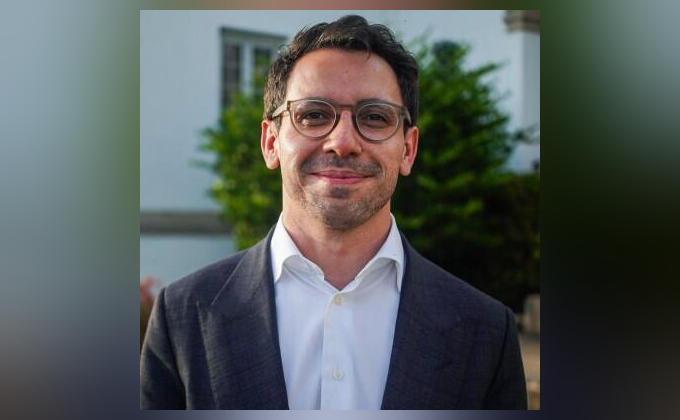
The debate over immigration and job security has been a contentious issue in the United States for years. Recently, a statement made by James Fishback, a candidate running to succeed Ron DeSantis as Florida’s next Republican Governor, has sparked controversy and concern among the immigrant community. Fishback has vowed to “fire every H-1B [visa holder] working at a state agency” if he is elected, citing the need to prioritize the employment of American citizens.
The H-1B visa program is a non-immigrant visa that allows U.S. employers to temporarily employ foreign workers in specialty occupations. The program is designed to help companies fill labor gaps in areas such as technology, engineering, and healthcare, where there is a shortage of qualified American workers. However, critics of the program argue that it is often used to replace American workers with cheaper foreign labor, which can lead to job losses and decreased wages for U.S. citizens.
Fishback’s statement is not only a pledge to fire H-1B workers but also a promise to “cancel state contracts with companies that employ H-1Bs instead of qualified Floridians.” He believes that this approach will incentivize companies to hire American workers instead of relying on foreign labor. “We need to deport…illegals…[and] H-1Bs,” Fishback had said, making it clear that his stance on immigration is centered around prioritizing the employment of American citizens.
While Fishback’s statement may resonate with some voters who are concerned about job security and the impact of immigration on the U.S. labor market, it has also been met with criticism from others who argue that the H-1B program is essential for filling labor gaps in key industries. Many companies, particularly in the tech sector, rely on the H-1B program to attract top talent from around the world. By canceling state contracts with companies that employ H-1B workers, Fishback’s policy could potentially harm the competitiveness of Florida’s economy and drive away businesses that rely on foreign labor.
Moreover, Fishback’s statement has raised concerns about the potential consequences of deporting H-1B workers who are currently living and working in the United States. Many H-1B workers have built lives in the U.S., have families, and are contributing to the economy through their work and taxes. Deporting them could lead to significant disruption to their lives and the lives of their families, as well as to the companies that employ them.
It’s also worth noting that Fishback’s stance on H-1B workers is not entirely aligned with the views of the current administration. While the Trump administration has taken steps to restrict the H-1B program, it has also acknowledged the importance of the program in attracting top talent to the U.S. The Biden administration has also taken a more nuanced approach to the H-1B program, recognizing the need to balance the interests of American workers with the need to attract foreign talent to key industries.
In conclusion, James Fishback’s statement on H-1B workers has sparked a heated debate about the role of immigration in the U.S. labor market. While his pledge to fire H-1B workers and cancel state contracts with companies that employ them may resonate with some voters, it has also raised concerns about the potential consequences for the economy and for the lives of H-1B workers and their families. As the debate over immigration and job security continues, it’s essential to consider the complexities of the issue and to find solutions that balance the interests of American workers with the need to attract foreign talent to key industries.
For more information on this topic, please visit: https://www.financialexpress.com/business/investing-abroad-ll-fire-every-h-1b-worker-florida-governor-hopeful-pledges-to-incentivise-firms-to-hire-americans-4060491/lite/
About the Author