I’ll Fire All H-1B Workers at State Agency: Florida Guv Candidate
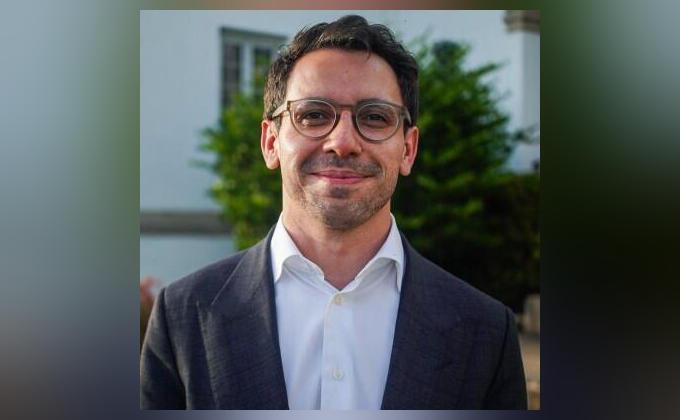
The debate over immigration and job security has been a contentious issue in the United States, with various politicians weighing in on the matter. Recently, James Fishback, a candidate running to succeed Ron DeSantis as Florida’s next Republican Governor, has made a bold statement that has sparked controversy and discussion. According to Fishback, if he is elected, he will “fire every H-1B [visa holder] working at a state agency.” This statement has significant implications for the tech industry, which heavily relies on H-1B visa holders to fill skilled labor gaps.
Fishback’s pledge to fire H-1B workers is part of his broader platform to prioritize the hiring of American citizens over foreign workers. He stated that he would “cancel state contracts with companies that employ H-1Bs instead of qualified Floridians” and would “incentivise companies to hire Americans again.” This approach is rooted in the idea that American companies should prioritize hiring American workers, rather than relying on foreign labor.
However, critics argue that this approach is overly simplistic and fails to account for the complexities of the labor market. The H-1B visa program is designed to allow companies to hire foreign workers with specialized skills, often in fields such as technology, engineering, and healthcare. These workers are typically highly educated and possess skills that are in short supply in the US labor market. By firing H-1B workers, Fishback’s policy could potentially harm the competitiveness of Florida’s businesses and hinder the state’s economic growth.
Furthermore, Fishback’s statement that “we need to deport…illegals…[and] H-1Bs” has raised concerns about the candidate’s understanding of the H-1B visa program. H-1B visa holders are not “illegals” but rather foreign workers who have been legally authorized to work in the US. They are subject to a rigorous application process and must meet specific eligibility requirements, including having a bachelor’s degree or higher in a relevant field.
The H-1B visa program has been a topic of debate in recent years, with some arguing that it is used to displace American workers and drive down wages. However, others argue that the program is essential for filling labor gaps and driving innovation in key industries. According to a report by the National Foundation for American Policy, H-1B visa holders are more likely to start their own businesses and create jobs for American workers than native-born Americans.
Fishback’s pledge to fire H-1B workers has also sparked concerns about the potential impact on the tech industry, which is a significant contributor to Florida’s economy. The state is home to a growing number of tech startups and established companies, many of which rely on H-1B visa holders to fill key roles. By firing these workers, Fishback’s policy could potentially harm the competitiveness of these companies and drive them to relocate to other states or countries.
In conclusion, James Fishback’s statement that he will fire all H-1B workers at state agencies if elected as Florida’s next Governor has sparked controversy and debate. While the candidate’s intention to prioritize the hiring of American citizens is understandable, his approach is overly simplistic and fails to account for the complexities of the labor market. The H-1B visa program is an essential tool for filling labor gaps and driving innovation in key industries, and policies that aim to restrict or eliminate the program could have unintended consequences for the US economy.
As the debate over immigration and job security continues, it is essential to consider the potential impact of policies on the labor market and the economy. Rather than relying on simplistic solutions, policymakers should strive to develop nuanced and evidence-based approaches that balance the needs of American workers with the needs of businesses and the economy.
About the Author