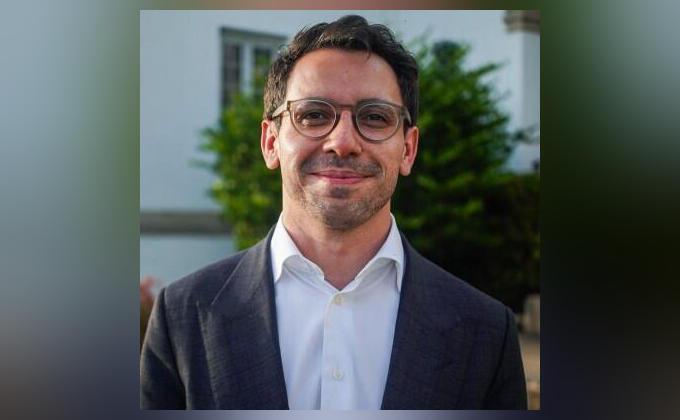
I’ll fire all H-1B workers at state agency: Florida Guv candidate
The debate over immigration and job security has been a contentious issue in the United States, with various politicians weighing in on the matter. Recently, James Fishback, a candidate running to succeed Ron DeSantis as Florida’s next Republican Governor, made a bold statement that has sparked controversy and discussion. According to Fishback, if he is elected, he will “fire every H-1B [visa holder] working at a state agency.” This statement has significant implications for the tech industry, as well as for the many foreign workers who come to the United States on H-1B visas.
Fishback’s statement is part of a broader platform that aims to prioritize the hiring of American workers over foreign nationals. As he explained, “[I will] cancel state contracts with companies that employ H-1Bs instead of qualified Floridians…will incentivise companies to hire Americans again.” This approach is designed to address concerns that foreign workers are taking jobs away from American citizens. However, critics argue that this stance is overly simplistic and fails to account for the complexities of the modern workforce.
The H-1B visa program is a non-immigrant visa that allows companies to temporarily employ foreign workers in specialty occupations, such as technology, engineering, and healthcare. The program is designed to help companies fill labor gaps and bring in specialized skills that are in short supply in the United States. However, the program has been criticized for being exploited by some companies, which use it to bring in cheaper labor and displace American workers.
Fishback’s statement also included a call to “deport…illegals…[and] H-1Bs,” which has raised concerns about the candidate’s understanding of the complexities of immigration policy. While it is true that some individuals may be in the country illegally, H-1B visa holders are, by definition, in the country legally and are authorized to work. Deporting H-1B visa holders would not only be a logistical challenge but also potentially harm the economy, as these workers are often filling critical skills gaps in their respective industries.
The implications of Fishback’s statement are far-reaching and could have significant consequences for the tech industry, which relies heavily on H-1B visa holders. Many major tech companies, including Google, Microsoft, and Facebook, employ H-1B visa holders in key roles. If Fishback were to follow through on his promise, it could lead to a brain drain of skilled workers, as companies might be forced to relocate their operations to other states or countries that are more welcoming to foreign talent.
Furthermore, Fishback’s statement raises questions about the role of government in regulating the labor market. While it is understandable that politicians want to prioritize the hiring of American workers, it is also important to recognize that the modern workforce is increasingly global and interconnected. Companies need to be able to access the best talent from around the world to remain competitive, and overly restrictive immigration policies can hinder economic growth and innovation.
In conclusion, James Fishback’s statement on firing all H-1B workers at state agencies has sparked a heated debate about immigration, job security, and the role of government in regulating the labor market. While it is understandable that politicians want to prioritize the hiring of American workers, it is also important to recognize the complexities of the modern workforce and the need for a nuanced approach to immigration policy. As the debate continues, it will be important to consider the potential consequences of such policies and to prioritize a approach that balances the needs of American workers with the need for companies to access global talent.
About the Author