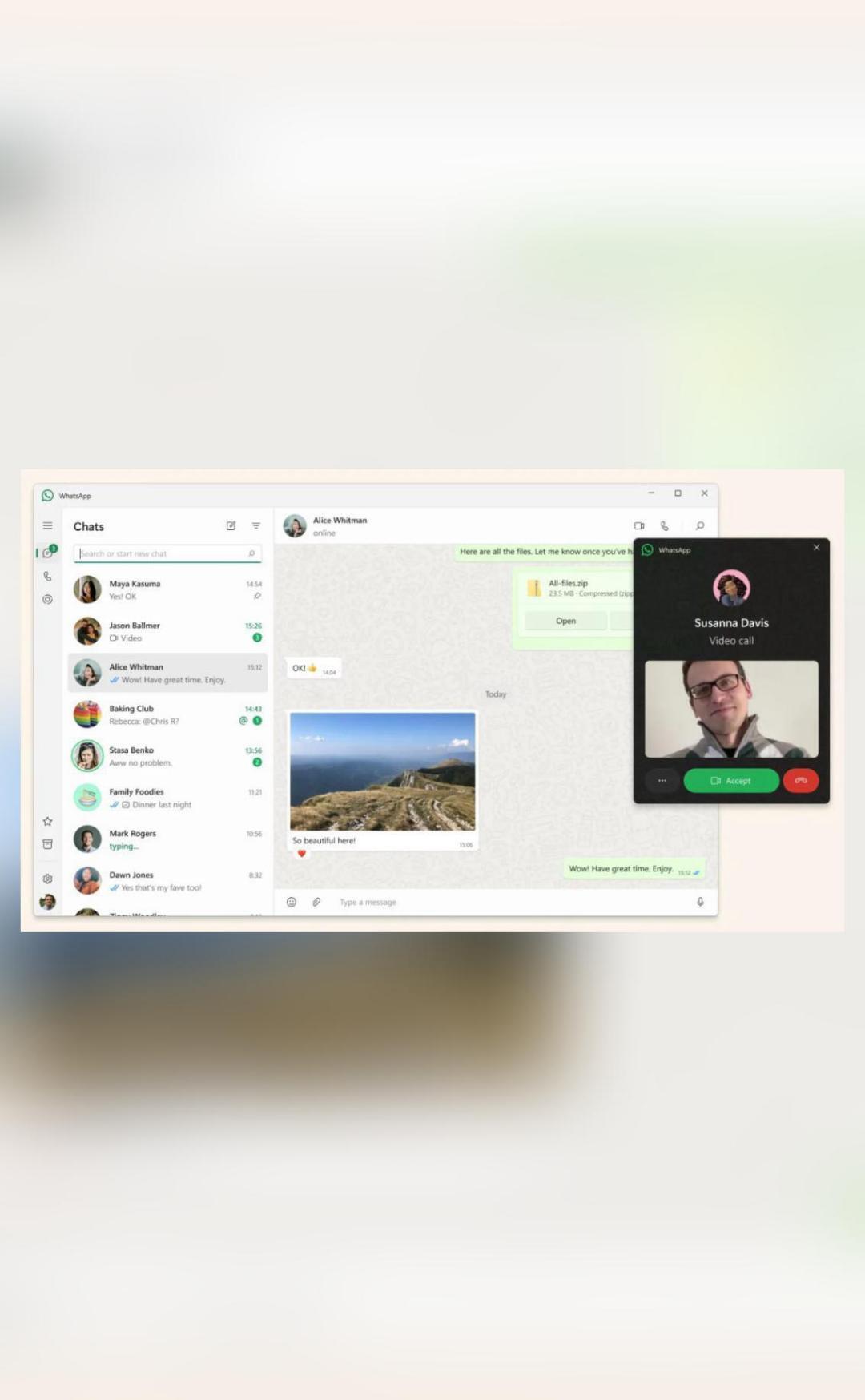
WhatsApp Web to log Indian users out every 6 hours after new govt rules
In a move aimed at combating rising digital fraud, the Department of Telecommunications (DoT) has mandated SIM binding for messaging platforms, including WhatsApp. This new directive will affect the way Indian users access WhatsApp Web, as they will be logged out every six hours. The government’s decision is intended to enhance security and prevent fraudulent activities, but it may cause inconvenience to users who rely on the web version of the popular messaging app.
The DoT has instructed Over-The-Top (OTT) messaging platforms, such as WhatsApp, to ensure compliance with the new rules within 90 days. This means that WhatsApp and other similar services will have to implement the necessary changes to their web services to adhere to the government’s directive. As a result, users in India will experience automatic logouts every six hours, requiring them to re-authenticate their accounts to continue using the service.
The primary objective behind this move is to prevent digital fraud, which has been on the rise in recent years. By binding SIM cards to messaging platforms, the government aims to make it more difficult for scammers to use fake or stolen SIM cards to carry out fraudulent activities. This measure is expected to reduce the incidence of phishing, spamming, and other types of online fraud that have become increasingly common in India.
The new rules will apply to all OTT messaging platforms, including WhatsApp, Facebook Messenger, and others. These services will be required to verify the SIM card details of users and ensure that they match the registered phone number associated with the account. If the SIM card details do not match, the user will be logged out, and they will have to re-authenticate their account using the correct SIM card.
While the government’s intention behind this move is to enhance security and prevent digital fraud, it may cause inconvenience to users who rely on WhatsApp Web for their daily communication needs. Many users prefer to use the web version of WhatsApp because it allows them to access the service on their computers or laptops, making it easier to communicate with friends, family, and colleagues.
The automatic logout feature may disrupt the workflow of users who rely on WhatsApp Web for business or professional purposes. For instance, if a user is in the middle of a conversation or working on a project that involves collaboration with others through WhatsApp, they may be logged out suddenly, causing them to lose their work or miss important messages.
Moreover, the new rules may also affect users who do not have access to their mobile phones or SIM cards while using WhatsApp Web. For example, if a user is traveling abroad or does not have their mobile phone with them, they may not be able to re-authenticate their account, making it difficult for them to access the service.
In addition to the inconvenience caused to users, the new rules may also raise concerns about privacy and data security. By requiring OTT messaging platforms to verify SIM card details, the government may be collecting more data about users, which could potentially be used for surveillance or other purposes.
In conclusion, the new government rules mandating SIM binding for messaging platforms will have a significant impact on the way Indian users access WhatsApp Web. While the intention behind this move is to prevent digital fraud, it may cause inconvenience to users who rely on the web version of the service. As the OTT messaging platforms work to implement the necessary changes to comply with the government’s directive, users will have to adapt to the new reality of being logged out every six hours. It remains to be seen how this move will affect the overall user experience and whether it will be effective in reducing digital fraud in India.
About the Author