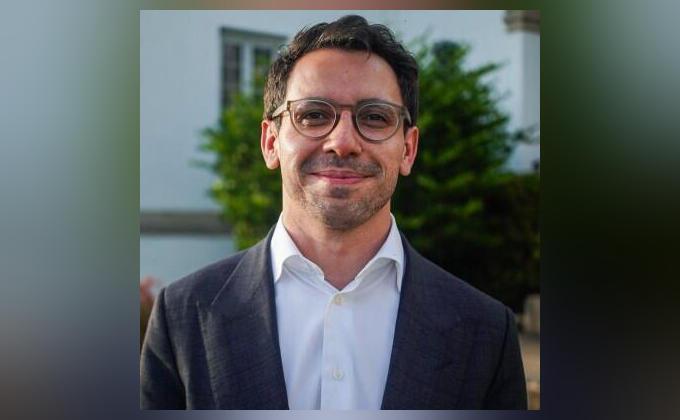
I’ll fire all H-1B workers at state agency: Florida Guv candidate
The debate over immigration and job security has been a contentious issue in the United States for years. The H-1B visa program, which allows companies to temporarily employ foreign workers in specialty occupations, has been a particular point of contention. Recently, James Fishback, a candidate running to succeed Ron DeSantis as Florida’s next Republican Governor, made headlines with his bold statement that he would “fire every H-1B [visa holder] working at a state agency” if elected.
Fishback’s pledge is part of a broader platform that aims to prioritize the employment of American citizens over foreign workers. He believes that the H-1B visa program is being abused by companies to hire cheaper labor from abroad, rather than investing in the training and development of American workers. As he stated, “[I will] cancel state contracts with companies that employ H-1Bs instead of qualified Floridians…will incentivise companies to hire Americans again.” This approach, according to Fishback, will help to create more job opportunities for American citizens and stimulate economic growth.
Fishback’s stance on immigration extends beyond the H-1B visa program. He has also called for the deportation of undocumented immigrants, stating “We need to deport…illegals…[and] H-1Bs.” This hardline approach has sparked controversy and debate among immigration advocates and business leaders. While some argue that Fishback’s policies will help to protect American jobs and national security, others contend that they will harm the economy and drive away talented foreign workers who contribute to the country’s innovation and competitiveness.
The H-1B visa program has been a vital component of the US immigration system, allowing companies to fill labor gaps in fields such as technology, engineering, and healthcare. However, the program has faced criticism and scrutiny in recent years, with some arguing that it is being exploited by companies to hire cheaper labor from abroad. The Trump administration implemented several reforms to the program, including stricter requirements for employers and increased scrutiny of visa applications.
Fishback’s pledge to fire all H-1B workers at state agencies has significant implications for the state of Florida. The state is home to a large and diverse population of immigrants, including many who work in the tech and healthcare industries. If Fishback were to follow through on his promise, it could lead to significant disruptions in these industries, as well as potential losses in tax revenue and economic output.
It’s also worth noting that Fishback’s approach may not be entirely effective in achieving his goals. While canceling state contracts with companies that employ H-1B workers may incentivize some companies to hire American citizens, it may also drive away businesses that rely on foreign talent to compete in the global market. Furthermore, deporting undocumented immigrants and H-1B visa holders could lead to significant social and economic costs, including the breakup of families and the loss of tax revenue.
In conclusion, James Fishback’s pledge to fire all H-1B workers at state agencies has sparked a heated debate over immigration and job security in Florida. While his approach may resonate with some voters who are concerned about the impact of immigration on American jobs, it also raises significant concerns about the potential consequences for the state’s economy and diversity. As the debate over immigration continues to evolve, it’s essential to consider the complex and multifaceted issues at play, and to seek solutions that balance the needs of American workers with the need for a competitive and innovative economy.
About the Author