I’ll fire all H-1B workers at state agency: Florida Guv candidate
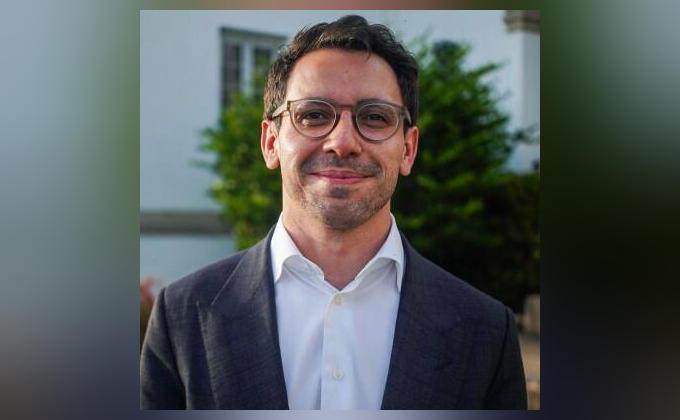
The debate over immigration and job security has taken a new turn in the United States, particularly in the state of Florida. James Fishback, a candidate running to succeed Ron DeSantis as Florida’s next Republican Governor, has made a bold and contentious statement. If elected, Fishback has vowed to “fire every H-1B [visa holder] working at a state agency.” This statement has sparked a heated discussion about the role of H-1B visa holders in the American workforce and the potential consequences of such a policy.
Fishback’s pledge to fire H-1B workers is part of a broader platform that aims to prioritize the employment of American citizens over foreign workers. He has also stated that he will “cancel state contracts with companies that employ H-1Bs instead of qualified Floridians” and will incentivize companies to hire Americans again. This approach is intended to address concerns about job security and the perceived threat posed by foreign workers to American employment opportunities.
The H-1B visa program is a non-immigrant visa that allows companies to temporarily employ foreign workers in specialty occupations. The program is designed to help companies fill labor gaps in fields such as technology, engineering, and healthcare, where there may be a shortage of qualified American workers. However, critics of the program argue that it is often used to hire cheaper foreign labor, displacing American workers and driving down wages.
Fishback’s stance on H-1B workers is not limited to those employed by state agencies. He has also expressed his intention to “deport…illegals…[and] H-1Bs,” suggesting that he views H-1B visa holders as a threat to American job security and national sovereignty. This rhetoric has been met with criticism from some quarters, with opponents arguing that it is divisive and discriminatory.
The implications of Fishback’s policy, if implemented, could be far-reaching. Firing H-1B workers from state agencies could lead to a brain drain, as many of these individuals are highly skilled and educated. It could also disrupt the operations of state agencies, particularly those that rely on H-1B workers to fill critical roles. Furthermore, canceling state contracts with companies that employ H-1B workers could have a negative impact on the state’s economy, as it could lead to job losses and decreased economic activity.
Moreover, Fishback’s approach to H-1B workers may not address the underlying issues that lead companies to hire foreign labor. Many companies rely on H-1B workers because they cannot find qualified American workers to fill certain roles. In some cases, this may be due to a lack of investment in education and training programs, which could be addressed through policy initiatives that promote workforce development.
It is also worth noting that H-1B visa holders are not the only foreign workers employed in the United States. There are many other types of work visas, such as the L-1 visa for intracompany transferees and the O-1 visa for individuals with extraordinary abilities. A more nuanced approach to immigration policy might involve reforming these programs to ensure that they serve the needs of the American economy and workforce.
In conclusion, James Fishback’s pledge to fire all H-1B workers at state agencies has sparked a contentious debate about immigration and job security. While his approach may resonate with some voters who are concerned about the impact of foreign labor on American employment opportunities, it is unlikely to address the underlying issues that lead companies to hire H-1B workers. A more effective approach to promoting American job security might involve investing in education and training programs, reforming the H-1B visa program to ensure that it serves the needs of the American economy, and promoting a more nuanced and inclusive approach to immigration policy.
About the Author