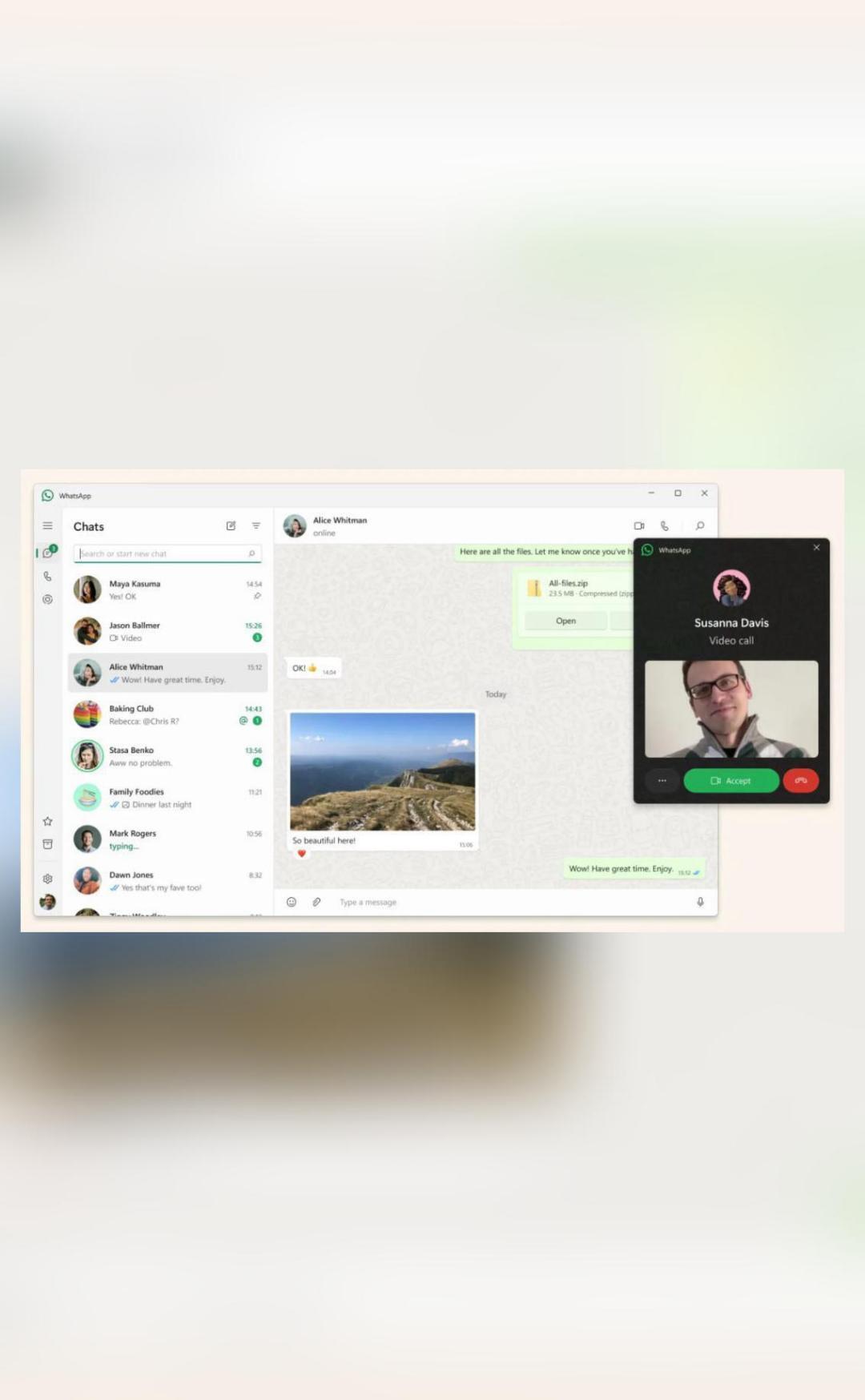
WhatsApp Web to log Indian users out every 6 hours after new govt rules
The Indian government has introduced a new set of rules aimed at combating the rising instances of digital fraud in the country. As part of these rules, the Department of Telecommunications (DoT) has mandated SIM binding for messaging platforms, which will affect how users access WhatsApp and other Over-The-Top (OTT) messaging services on the web. According to the new directive, Indian users will be logged out of WhatsApp Web and other similar services every six hours.
The move is part of a broader effort by the Indian government to curb digital fraud, which has been on the rise in recent years. With the increasing use of digital platforms for various transactions, instances of phishing, identity theft, and other types of online scams have also increased. The government believes that by introducing SIM binding, it can prevent fraudsters from using fake or stolen SIM cards to carry out their activities.
The new rule requires OTT messaging platforms to ensure that users can only access their services on the web if they have a verified mobile number linked to their account. This means that users will have to re-verify their mobile number every six hours to continue using WhatsApp Web and other similar services. The re-verification process will involve a one-time password (OTP) being sent to the user’s registered mobile number, which they will have to enter on the web platform to continue using the service.
The government has given OTT messaging platforms 90 days to comply with the new directive. This means that within the next three months, WhatsApp and other similar services will have to implement the necessary changes to their web services to ensure that users are logged out every six hours. The move is likely to cause some inconvenience to users, who will have to re-verify their mobile numbers regularly to continue using the services.
However, the government believes that the benefits of the new rule outweigh the inconvenience it may cause to users. By introducing SIM binding, the government hopes to prevent fraudsters from using fake or stolen SIM cards to carry out their activities. This, in turn, is expected to reduce the instances of digital fraud in the country.
The new rule is also expected to have an impact on the way businesses use WhatsApp and other OTT messaging platforms. Many businesses use these platforms to communicate with their customers and provide them with updates about their products and services. With the new rule, businesses will have to find alternative ways to communicate with their customers, or ensure that they have a system in place to re-verify their mobile numbers every six hours.
The introduction of SIM binding is part of a broader effort by the Indian government to regulate the use of digital platforms in the country. The government has been concerned about the spread of misinformation and the use of digital platforms for nefarious activities, and has introduced various rules and regulations to curb these activities.
In recent years, the Indian government has introduced several rules and regulations aimed at regulating the use of digital platforms. These include rules requiring social media platforms to remove content that is deemed to be inflammatory or objectionable, and regulations requiring online marketplaces to disclose the country of origin of the products they sell.
The introduction of SIM binding for OTT messaging platforms is the latest in a series of measures aimed at regulating the use of digital platforms in India. While the move is likely to cause some inconvenience to users, it is expected to help reduce the instances of digital fraud in the country.
In conclusion, the new rule requiring OTT messaging platforms to log out Indian users every six hours is part of a broader effort by the Indian government to combat digital fraud. The move is expected to have an impact on the way users access WhatsApp and other similar services on the web, and may cause some inconvenience to businesses that use these platforms to communicate with their customers. However, the government believes that the benefits of the new rule outweigh the inconvenience it may cause, and is confident that it will help reduce the instances of digital fraud in the country.
About the Author