Discuss SIR, Delhi blast: Tiwari on Parliament Winter Session
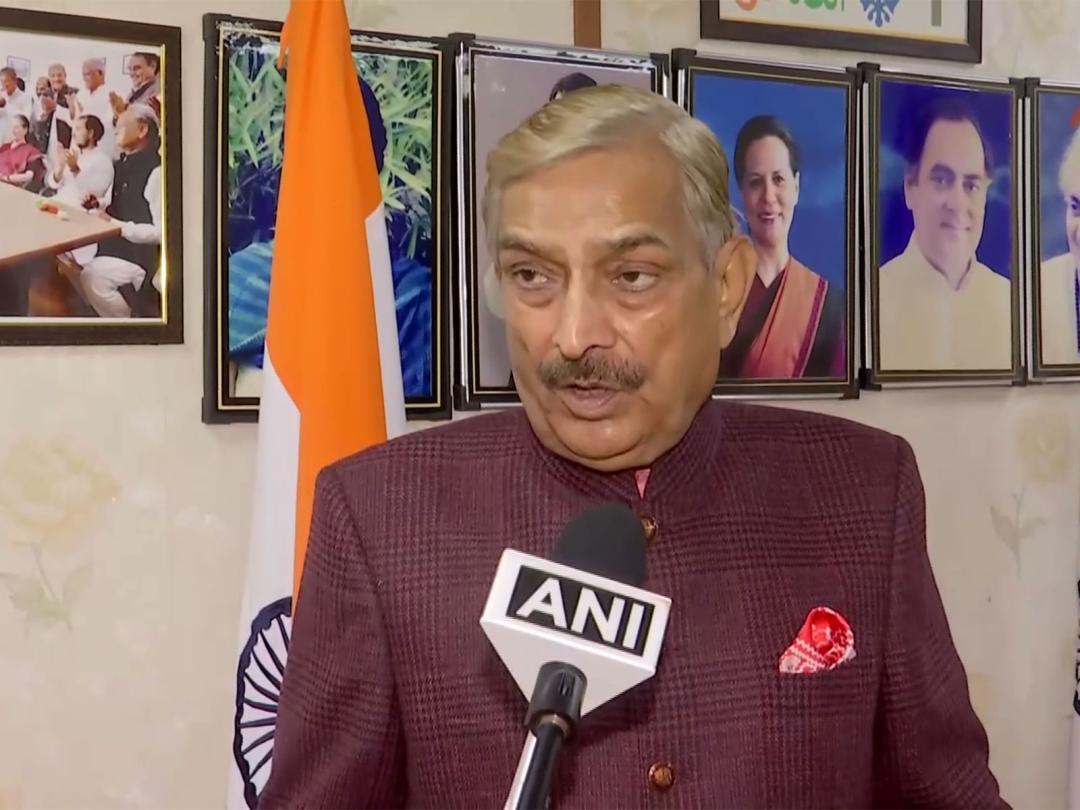
As the winter session of the parliament is set to commence, Congress MP Pramod Tiwari has demanded a discussion on several pressing issues, including the Special Intensive Revision (SIR) and the recent Delhi terror attack. Tiwari’s demands come at a time when the country is grappling with various challenges, both domestic and international. In a statement, Tiwari expressed his concerns over the current state of affairs, stating that Prime Minister Modi’s foreign policies are “completely lost.”
The Congress MP’s remarks are significant, given the recent developments on the international front. India’s relations with its neighboring countries have been strained, and the government’s handling of these relationships has come under scrutiny. Tiwari’s demand for a discussion on the SIR and the Delhi blast is, therefore, timely and relevant. The SIR is a critical exercise that aims to revise and update the electoral rolls, ensuring that the voting process is fair and transparent. Any discrepancies or irregularities in this process can have far-reaching consequences, affecting the very foundation of India’s democracy.
The Delhi blast, on the other hand, is a grim reminder of the security challenges that the country faces. The recent terror attack in the national capital has raised concerns over the government’s ability to protect its citizens. Tiwari’s demand for a discussion on this issue is, therefore, justified, as it is essential to examine the circumstances leading up to the attack and the measures that can be taken to prevent such incidents in the future.
In addition to these issues, Tiwari has also emphasized the need to discuss air pollution in Delhi and other states. The national capital has been grappling with severe air pollution, which has had devastating consequences for the health and well-being of its citizens. The government’s response to this crisis has been inadequate, and it is essential to discuss this issue in detail to find a solution.
Tiwari’s remarks are also significant, as they reflect the opposition’s concerns over the government’s agenda. The BJP’s priorities have often been at odds with those of the opposition, and it will be interesting to see how the government responds to Tiwari’s demands. The Congress MP’s statement, “Let us see what is on the BJP’s agenda,” is a clear indication that the opposition is ready to hold the government accountable for its actions.
The winter session of the parliament is an opportunity for the government to address the concerns of the opposition and the citizens of India. The session is expected to be stormy, with the opposition planning to raise several critical issues, including the SIR, the Delhi blast, and air pollution. The government, on the other hand, is likely to push its own agenda, which may include several key legislative bills.
As the parliament convenes for the winter session, it is essential to examine the key issues that are likely to be discussed. The SIR is a critical exercise that requires attention and scrutiny. The Delhi blast is a grim reminder of the security challenges that the country faces, and it is essential to discuss this issue in detail to prevent such incidents in the future. Air pollution is another critical issue that requires immediate attention, and the government must be held accountable for its response to this crisis.
In conclusion, the winter session of the parliament is expected to be a crucial one, with several key issues on the agenda. The opposition’s demands for a discussion on the SIR, the Delhi blast, and air pollution are justified, and it is essential to examine these issues in detail. The government’s response to these demands will be critical, as it will reflect its commitment to addressing the concerns of the citizens of India. As Tiwari said, “Prime Minister Modi’s foreign policies are completely lost. In addition, air pollution in Delhi and other states must be discussed in detail.” The nation will be watching the proceedings of the parliament closely, and it is essential to ensure that the government is held accountable for its actions.
About the Author