I’ll fire all H-1B workers at state agency: Florida Guv candidate
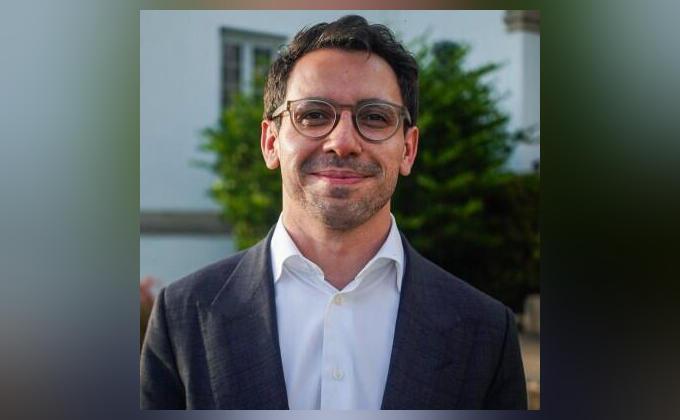
The debate over immigration and job security has been a contentious issue in the United States for years. Recently, James Fishback, a candidate running to succeed Ron DeSantis as Florida’s next Republican Governor, has sparked controversy with his pledge to “fire every H-1B [visa holder] working at a state agency” if he is elected. This statement has sent shockwaves through the business and immigrant communities, with many wondering what implications this could have on the state’s economy and workforce.
According to Fishback, his plan is not only to terminate the employment of H-1B visa holders working in state agencies but also to “cancel state contracts with companies that employ H-1Bs instead of qualified Floridians.” He believes that this move will “incentivise companies to hire Americans again,” implying that the current system is unfair to American workers. Fishback’s stance on immigration is clear: “We need to deport…illegals…[and] H-1Bs,” he said, taking a hardline approach to immigration reform.
The H-1B visa program is a non-immigrant visa that allows U.S. employers to temporarily employ foreign workers in specialty occupations. The program is designed to help companies fill labor gaps in fields such as technology, engineering, and healthcare, where there may be a shortage of qualified American workers. However, critics of the program argue that it is often used to replace American workers with cheaper foreign labor, which can lead to job losses and depressed wages for native-born workers.
Fishback’s proposal has been met with both support and criticism. Some argue that his plan will help protect American jobs and ensure that Floridians are given priority in the workforce. Others, however, point out that H-1B visa holders are often highly skilled workers who contribute significantly to the state’s economy. They argue that firing these workers could lead to a brain drain, as many of these individuals may choose to leave the country or work in other states where they are more welcome.
The impact of Fishback’s plan on the Florida economy could be significant. The state is home to a thriving tech industry, with many companies relying on H-1B visa holders to fill key positions. If these workers are fired, it could lead to a shortage of skilled labor, which could hinder the growth and development of these companies. Additionally, the loss of these workers could also have a negative impact on the state’s tax base, as many H-1B visa holders pay taxes and contribute to the local economy.
It is also worth noting that Fishback’s plan may not be as straightforward to implement as he suggests. The H-1B visa program is a federal program, and as such, it is governed by federal law. It is unclear whether a state governor would have the authority to unilaterally fire H-1B visa holders working in state agencies or to cancel state contracts with companies that employ these workers.
In conclusion, James Fishback’s pledge to fire all H-1B workers at state agencies has sparked a heated debate over immigration and job security in Florida. While his plan may have some support among those who believe that American workers are being displaced by foreign labor, it is also likely to face significant opposition from the business community and immigrant advocates. As the debate continues, it is essential to consider the potential implications of such a plan on the state’s economy and workforce.
Ultimately, the decision to hire or fire workers should be based on their qualifications, skills, and ability to contribute to the organization, rather than their nationality or immigration status. By taking a more nuanced approach to immigration reform, policymakers can work to create an environment that is fair to all workers, while also ensuring that the state’s economy continues to thrive.
About the Author