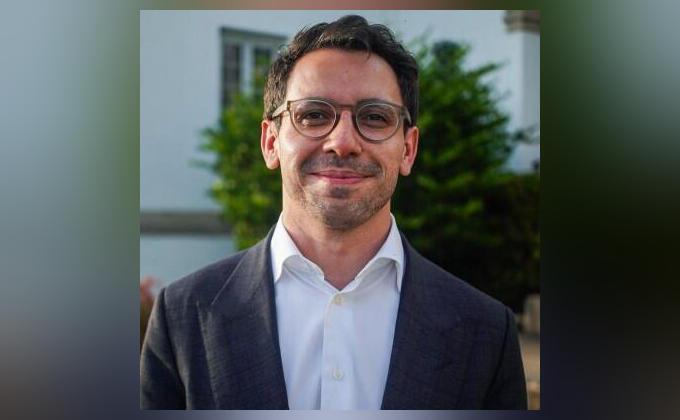
I’ll fire all H-1B workers at state agency: Florida Guv candidate
The debate over immigration and job security has been a contentious issue in the United States for years, with various politicians weighing in on the matter. Recently, James Fishback, a candidate running to succeed Ron DeSantis as Florida’s next Republican Governor, made a bold statement that has sparked controversy and discussion. According to Fishback, if he is elected, he will “fire every H-1B [visa holder] working at a state agency.” This statement has significant implications for the tech industry, the economy, and the hundreds of thousands of H-1B visa holders currently working in the United States.
Fishback’s statement was part of a broader platform to prioritize the hiring of American workers over foreign nationals. He vowed to “cancel state contracts with companies that employ H-1Bs instead of qualified Floridians” and claimed that this move would “incentivise companies to hire Americans again.” Additionally, Fishback stated that “we need to deport…illegals…[and] H-1Bs,” further emphasizing his tough stance on immigration.
The H-1B visa program is a non-immigrant visa that allows U.S. employers to temporarily employ foreign workers in specialty occupations. The program is designed to help companies fill labor gaps in fields such as technology, engineering, and healthcare, where there may be a shortage of qualified American workers. However, critics of the program argue that it is often used to replace American workers with cheaper foreign labor, which can lead to job losses and depressed wages for U.S. citizens.
Fishback’s pledge to fire all H-1B workers at state agencies and cancel contracts with companies that employ them is likely to have far-reaching consequences. For one, it could lead to a significant disruption in the operations of state agencies, particularly in fields such as IT and healthcare, where H-1B visa holders are commonly employed. Additionally, it could have a chilling effect on the tech industry, which relies heavily on H-1B visa holders to fill key positions.
The move could also have economic implications, as it could lead to a loss of talent and expertise in key sectors. Many H-1B visa holders are highly skilled and educated, and their departure could result in a brain drain that would be difficult to replace. Furthermore, the move could also harm the competitiveness of U.S. companies, which rely on the H-1B program to attract top talent from around the world.
It is also worth noting that Fishback’s statement is not just about H-1B visa holders, but also about undocumented immigrants. His call to “deport…illegals” is a contentious issue that has been debated by politicians and policymakers for years. While some argue that undocumented immigrants are a drain on the economy and a threat to national security, others argue that they are a vital part of the workforce and contribute significantly to the economy.
In conclusion, James Fishback’s statement to fire all H-1B workers at state agencies and cancel contracts with companies that employ them is a bold and contentious move. While it may appeal to some voters who are concerned about job security and immigration, it is likely to have significant consequences for the tech industry, the economy, and the hundreds of thousands of H-1B visa holders currently working in the United States. As the debate over immigration and job security continues, it is essential to consider the potential implications of such policies and to prioritize a comprehensive and nuanced approach that balances the needs of American workers with the needs of the economy.
About the Author