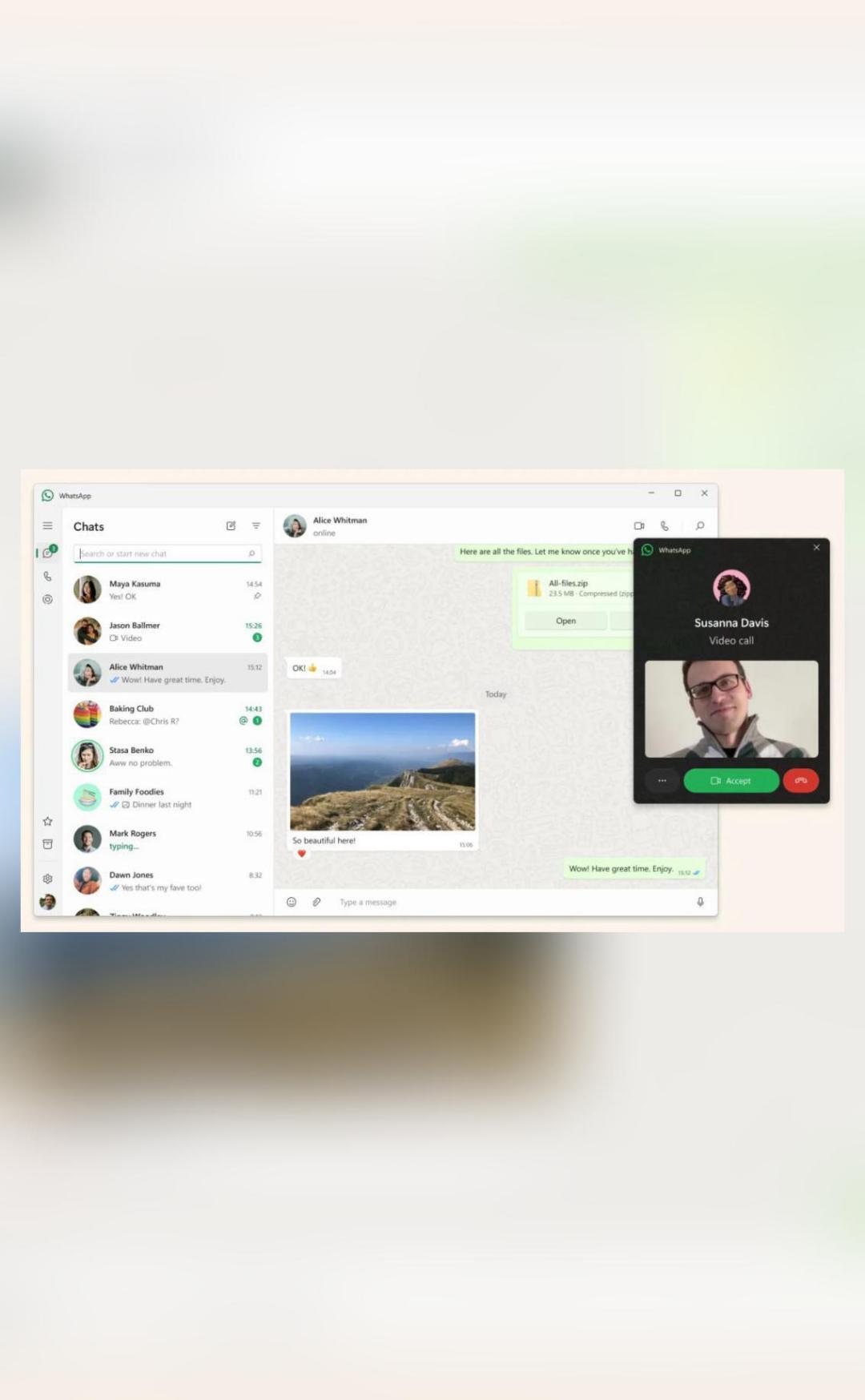
WhatsApp Web to log Indian users out every 6 hours after new govt rules
The Indian government has introduced a new directive that is set to affect the way users access WhatsApp Web and other messaging platforms in the country. According to the Department of Telecommunications (DoT), SIM binding is now mandatory to combat the rising incidence of digital fraud. As a result, users will be logged out of WhatsApp Web every six hours, disrupting the uninterrupted service that users have grown accustomed to.
The directive is part of a broader effort by the government to curb digital fraud and ensure that users are protected from scams and other malicious activities. The DoT has given OTT messaging platforms, including WhatsApp, 90 days to comply with the new directive. This means that users can expect to see changes to the way they access WhatsApp Web and other messaging platforms in the coming weeks.
What is SIM binding?
SIM binding refers to the process of linking a user’s mobile number to their online account. This is typically done to verify the user’s identity and prevent unauthorized access to their account. In the context of WhatsApp Web, SIM binding will require users to re-authenticate their account every six hours by sending a verification code to their registered mobile number.
The move is intended to prevent fraudsters from using stolen mobile numbers or fake accounts to commit crimes. By requiring users to re-authenticate their account regularly, the government hopes to reduce the incidence of digital fraud and protect users from scams.
How will it work?
When the new directive comes into effect, users will be logged out of WhatsApp Web every six hours. To regain access to their account, they will need to re-authenticate by sending a verification code to their registered mobile number. This code will be sent via SMS, and users will need to enter it on the WhatsApp Web page to regain access to their account.
The process is similar to the two-factor authentication process that many online services use to verify user identities. However, the frequency of re-authentication will be much higher, with users required to re-authenticate every six hours.
Impact on users
The new directive is likely to cause inconvenience to users who are accustomed to accessing WhatsApp Web without interruption. Many users rely on WhatsApp Web to stay connected with friends, family, and colleagues, and the frequent logouts may disrupt their workflow and communication.
However, the government believes that the benefits of the new directive outweigh the inconvenience to users. By reducing the incidence of digital fraud, the government hopes to create a safer online environment for all users.
Reaction from OTT messaging platforms
The reaction from OTT messaging platforms, including WhatsApp, has been muted so far. While the platforms have not publicly commented on the new directive, they are likely to comply with the government’s requirements to avoid any regulatory action.
The new directive is part of a broader effort by the government to regulate OTT messaging platforms and ensure that they comply with Indian laws and regulations. The government has been concerned about the impact of these platforms on the country’s digital ecosystem, and the new directive is seen as a step towards creating a more regulated and safe online environment.
Conclusion
The new directive from the DoT is set to change the way users access WhatsApp Web and other messaging platforms in India. While the frequent logouts may cause inconvenience to users, the government believes that the benefits of the new directive outweigh the costs. By reducing the incidence of digital fraud, the government hopes to create a safer online environment for all users.
As the OTT messaging platforms work to comply with the new directive, users can expect to see changes to the way they access WhatsApp Web and other messaging platforms. While the changes may require some adjustments, they are ultimately intended to protect users and create a more secure online environment.
About the Author