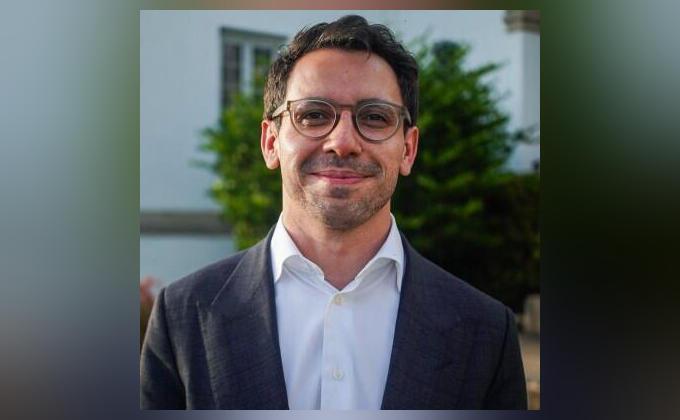
I’ll fire all H-1B workers at state agency: Florida Guv candidate
The debate over immigration and job security has been a contentious issue in the United States for years. The H-1B visa program, which allows companies to temporarily employ foreign workers in specialty occupations, has been a particular point of contention. Recently, James Fishback, a candidate running to succeed Ron DeSantis as Florida’s next Republican Governor, made headlines with his vow to “fire every H-1B [visa holder] working at a state agency” if he is elected.
Fishback’s statement has sparked a heated debate about the role of H-1B workers in the US job market and the impact of their presence on American workers. According to Fishback, his plan is to “cancel state contracts with companies that employ H-1Bs instead of qualified Floridians” and to “incentivise companies to hire Americans again.” He believes that this approach will help to prioritize the employment of American citizens and reduce the reliance on foreign workers.
The H-1B visa program has been a topic of controversy for many years. Critics argue that the program is being abused by companies to bring in cheaper labor from abroad, thereby displacing American workers. They also argue that the program is being used to fill jobs that could be performed by American citizens, rather than being used to fill genuine labor shortages.
On the other hand, proponents of the H-1B program argue that it is essential for filling labor gaps in certain industries, such as tech and healthcare. They argue that the program allows companies to attract the best and brightest talent from around the world, which can help to drive innovation and economic growth.
Fishback’s pledge to fire all H-1B workers at state agencies and to incentivize companies to hire Americans instead has been met with both support and criticism. Some have praised his commitment to prioritizing American workers, while others have argued that his approach is overly simplistic and could have unintended consequences.
One of the concerns about Fishback’s plan is that it could lead to a brain drain in certain industries. Many H-1B workers are highly skilled and have advanced degrees in their field. If they are suddenly fired and forced to leave the country, it could lead to a loss of talent and expertise that could be difficult to replace.
Another concern is that Fishback’s plan could have a negative impact on the economy. The H-1B program is a significant contributor to the US economy, with many H-1B workers starting their own businesses and creating jobs for American citizens. If these workers are suddenly removed from the workforce, it could lead to a decline in economic activity and job creation.
Fishback has also been criticized for his comments on immigration, in which he stated that “we need to deport…illegals…[and] H-1Bs.” This statement has been seen as inflammatory and divisive, and has sparked concerns about Fishback’s approach to immigration policy.
Despite the controversy surrounding his plan, Fishback remains committed to his pledge to fire all H-1B workers at state agencies and to incentivize companies to hire Americans instead. He believes that this approach will help to prioritize the employment of American citizens and reduce the reliance on foreign workers.
As the debate over immigration and job security continues to unfold, it will be interesting to see how Fishback’s plan is received by voters and how it will impact the H-1B program. One thing is certain, however: the issue of immigration and job security will remain a contentious issue in the US for years to come.
In conclusion, James Fishback’s pledge to fire all H-1B workers at state agencies and to incentivize companies to hire Americans instead has sparked a heated debate about the role of H-1B workers in the US job market. While some have praised his commitment to prioritizing American workers, others have argued that his approach is overly simplistic and could have unintended consequences. As the debate continues to unfold, it will be important to consider the potential impact of Fishback’s plan on the economy, industry, and American workers.
About the Author