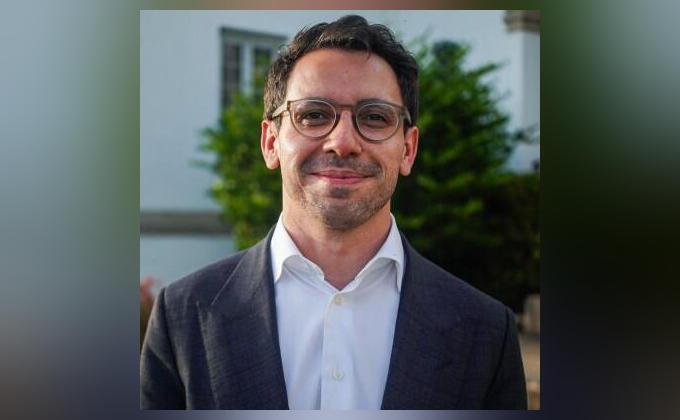
I’ll fire all H-1B workers at state agency: Florida Guv candidate
The debate over immigration and job security has been a contentious issue in the United States, with various politicians weighing in on the matter. Recently, James Fishback, a candidate running to succeed Ron DeSantis as Florida’s next Republican Governor, made a bold statement that has sparked controversy and discussion. According to Fishback, if he is elected, he will “fire every H-1B [visa holder] working at a state agency.” This statement has significant implications for the tech industry, which heavily relies on H-1B visa holders to fill specialized positions.
Fishback’s plan goes beyond just firing H-1B workers at state agencies. He also intends to “cancel state contracts with companies that employ H-1Bs instead of qualified Floridians.” The goal, according to Fishback, is to “incentivise companies to hire Americans again.” This approach is designed to promote job creation and security for American citizens, particularly in the state of Florida. However, critics argue that such a move could have unintended consequences, such as driving away top talent and hindering the state’s economic growth.
The H-1B visa program is designed to allow U.S. employers to temporarily employ foreign workers in specialty occupations. These visas are typically issued for a period of three years, with the option to extend for an additional three years. The program is popular among tech companies, which often rely on H-1B visa holders to fill positions in fields such as software development, engineering, and data science. However, the program has been criticized for being misused by some companies, which allegedly use it to hire cheaper foreign labor instead of American workers.
Fishback’s stance on H-1B visa holders is not limited to just firing them from state agencies. He has also expressed his desire to “deport…illegals…[and] H-1Bs.” This statement has raised concerns among immigrant advocacy groups, which argue that such a policy would be discriminatory and unfair. They point out that H-1B visa holders are in the United States legally, having gone through a rigorous application process to obtain their visas. Furthermore, many H-1B visa holders are highly skilled and contribute significantly to the U.S. economy.
The impact of Fishback’s proposed policy on the tech industry could be significant. Many tech companies, including those based in Florida, rely heavily on H-1B visa holders to fill specialized positions. If these workers were to be fired or deported, it could lead to a brain drain and a shortage of skilled workers in the industry. This, in turn, could hinder the state’s economic growth and competitiveness. Additionally, such a policy could drive away top talent, as foreign workers may be deterred from coming to the United States if they feel they are not welcome or valued.
Fishback’s proposal has also raised questions about the feasibility of implementing such a policy. It is unclear how he plans to identify and fire all H-1B workers at state agencies, or how he intends to cancel state contracts with companies that employ H-1B visa holders. Furthermore, it is uncertain how such a policy would be enforced, and what the consequences would be for companies that fail to comply.
In conclusion, James Fishback’s proposal to fire all H-1B workers at state agencies and cancel state contracts with companies that employ H-1B visa holders has sparked controversy and debate. While the goal of promoting job creation and security for American citizens is understandable, the approach proposed by Fishback has raised concerns about its potential impact on the tech industry and the state’s economy. As the debate over immigration and job security continues, it is essential to consider the potential consequences of such policies and to find solutions that balance the needs of American workers with the need for skilled foreign labor.
About the Author