WhatsApp Web to log Indian users out every 6 hours after new govt rules
In a significant move to combat rising digital fraud, the Department of Telecommunications (DoT) has mandated SIM binding for messaging platforms, including WhatsApp, in India. As a result, users in the country will no longer be able to access WhatsApp Web and other OTT messaging platforms’ web services uninterrupted. The government directive states that users are likely to be logged out every six hours, and OTT messaging platforms are required to ensure compliance with the directive within 90 days.
The move is aimed at preventing instances of digital fraud, which have been on the rise in recent years. With the increasing use of online platforms for financial transactions, scammers have been exploiting loopholes in the system to cheat innocent users. The government believes that by implementing SIM binding, it can effectively curb such fraudulent activities and ensure a safer online experience for users.
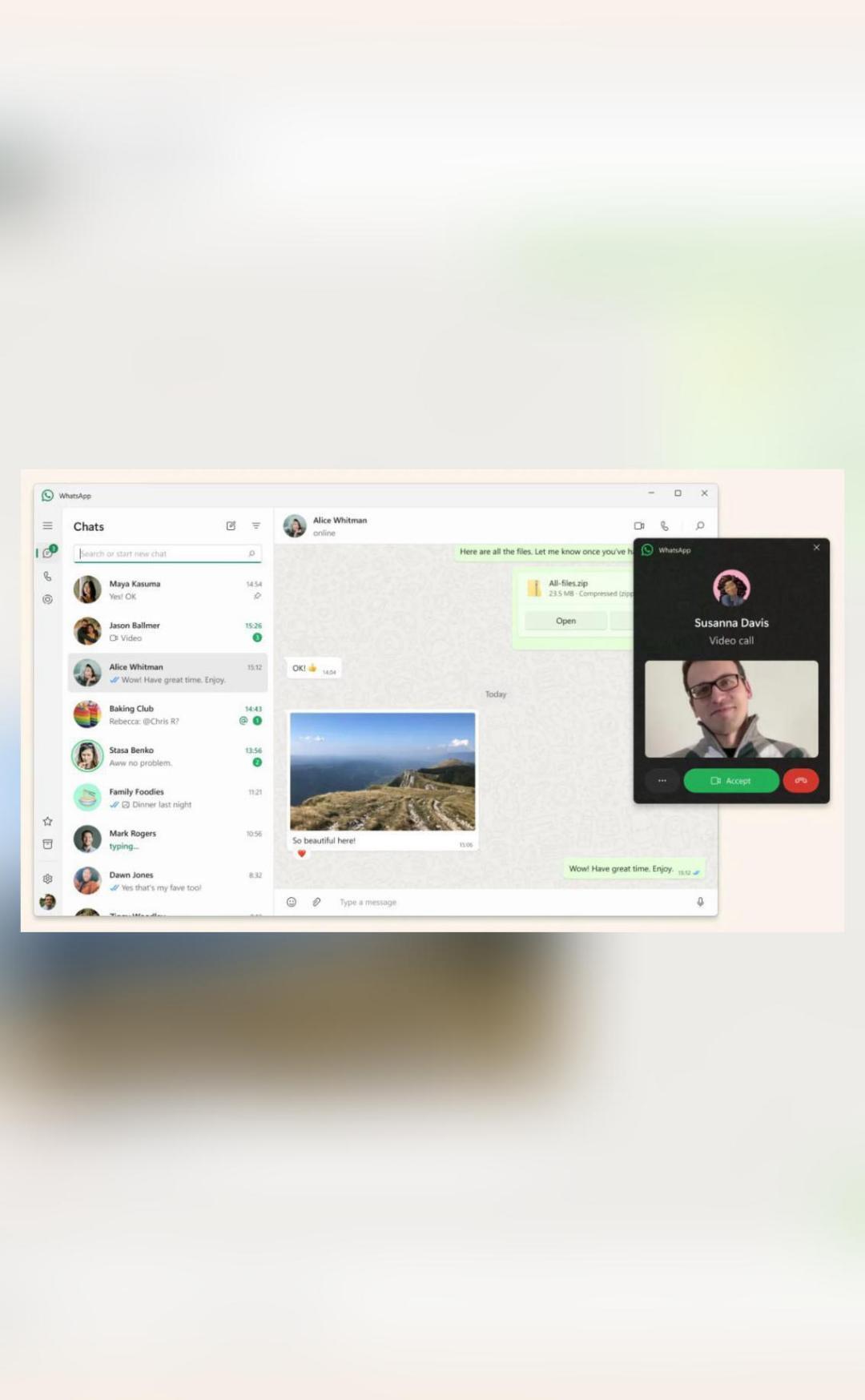
So, how will this new rule affect WhatsApp Web users in India? For starters, users will be required to re-authenticate their accounts every six hours to continue using the web service. This means that if a user is using WhatsApp Web on their computer or laptop, they will be automatically logged out after six hours and will have to log back in using their mobile device. This can be a bit inconvenient for users who rely heavily on WhatsApp Web for their daily communication needs.
The new rule is also likely to impact businesses and organizations that use WhatsApp Web for customer support and other purposes. These entities will have to find ways to adapt to the new system, which may require them to implement new workflows and procedures to ensure uninterrupted service to their customers.
It’s worth noting that the SIM binding requirement is not limited to WhatsApp Web alone. All OTT messaging platforms, including other popular services like Signal and Telegram, will have to comply with the directive. This means that users of these platforms will also face similar disruptions to their service.
The government’s decision to implement SIM binding has been welcomed by many as a necessary step to prevent digital fraud. However, some have raised concerns about the potential impact on user convenience and the ability of businesses to operate efficiently. As the 90-day deadline for compliance approaches, it will be interesting to see how OTT messaging platforms respond to the new directive and what measures they take to minimize disruptions to their users.
In the meantime, users in India can expect to face some inconvenience when using WhatsApp Web and other OTT messaging platforms. However, the added security benefits of SIM binding are likely to outweigh the minor disruptions caused by the new system. As the Indian government continues to grapple with the challenges of digital fraud, it’s likely that we will see more measures aimed at preventing such activities and ensuring a safer online experience for users.
The new rule is a significant development in the Indian government’s efforts to combat digital fraud, and it will be interesting to see how it plays out in the coming months. As always, we will continue to monitor the situation and provide updates as more information becomes available.
In conclusion, the new SIM binding requirement for OTT messaging platforms in India is a significant move aimed at preventing digital fraud. While it may cause some inconvenience to users, the added security benefits are likely to outweigh the minor disruptions caused by the new system. As the Indian government continues to evolve its approach to combating digital fraud, we can expect to see more measures aimed at ensuring a safer online experience for users.
About the Author