I’ll fire all H-1B workers at state agency: Florida Guv candidate
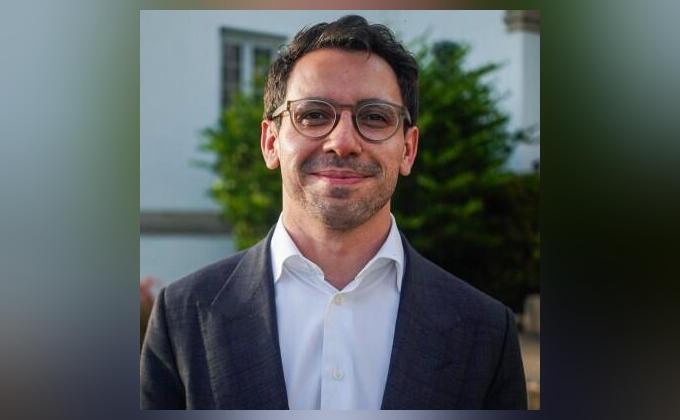
The debate over immigration and employment in the United States has been a contentious issue for many years. The H-1B visa program, which allows foreign workers to temporarily work in the US, has been a particular point of contention. Recently, James Fishback, a candidate running to succeed Ron DeSantis as Florida’s next Republican Governor, made a bold statement that has sparked a lot of discussion. According to Fishback, if he is elected, he will “fire every H-1B [visa holder] working at a state agency”. This statement has significant implications for the H-1B visa program and the employment landscape in Florida.
Fishback’s statement was not just a one-off comment. He has been vocal about his stance on immigration and employment, and has expressed his desire to prioritize American workers over foreign ones. He has stated that he will “cancel state contracts with companies that employ H-1Bs instead of qualified Floridians” and will incentivize companies to hire Americans again. This approach, according to Fishback, will help to create more job opportunities for American citizens and reduce the reliance on foreign workers.
The H-1B visa program has been a topic of controversy for many years. The program allows companies to temporarily employ foreign workers in specialty occupations, such as technology, engineering, and healthcare. While the program is designed to help companies fill labor gaps, many critics argue that it is often used to replace American workers with cheaper foreign labor. Fishback’s statement reflects this concern, and his pledge to fire H-1B workers at state agencies is a clear indication of his desire to prioritize American workers.
Fishback has also made it clear that he is not just targeting H-1B visa holders, but also undocumented immigrants. He has stated that “we need to deport…illegals…[and] H-1Bs”, which suggests that he believes that both groups are taking jobs away from American citizens. This approach is likely to be popular with some voters, but it is also likely to be met with criticism from others who argue that immigration is essential to the US economy.
The implications of Fishback’s statement are significant. If he is elected and follows through on his pledge to fire H-1B workers at state agencies, it could have a major impact on the employment landscape in Florida. Many companies that rely on H-1B workers may be forced to find alternative employees, which could be a challenging and costly process. Additionally, the move could also have a negative impact on the state’s economy, as many H-1B workers are highly skilled and contribute significantly to their employers.
It is also worth noting that Fishback’s statement may not be entirely feasible. The H-1B visa program is a federal program, and as such, it is not clear whether a state governor has the authority to unilaterally fire H-1B workers at state agencies. Additionally, many H-1B workers are employed by private companies that contract with the state, which could make it difficult for the governor to directly fire them.
Despite the potential challenges, Fishback’s statement has sparked a lot of discussion about the role of immigration in the US economy. While some people agree with his stance and believe that American workers should be prioritized, others argue that immigration is essential to the country’s economic growth. The debate is likely to continue, and it will be interesting to see how Fishback’s pledge plays out if he is elected as the next Governor of Florida.
In conclusion, James Fishback’s statement about firing all H-1B workers at state agencies has sparked a lot of discussion about the role of immigration in the US economy. While his pledge may be popular with some voters, it is also likely to be met with criticism from others who argue that immigration is essential to the country’s economic growth. As the debate continues, it will be interesting to see how Fishback’s approach plays out if he is elected as the next Governor of Florida.
About the Author