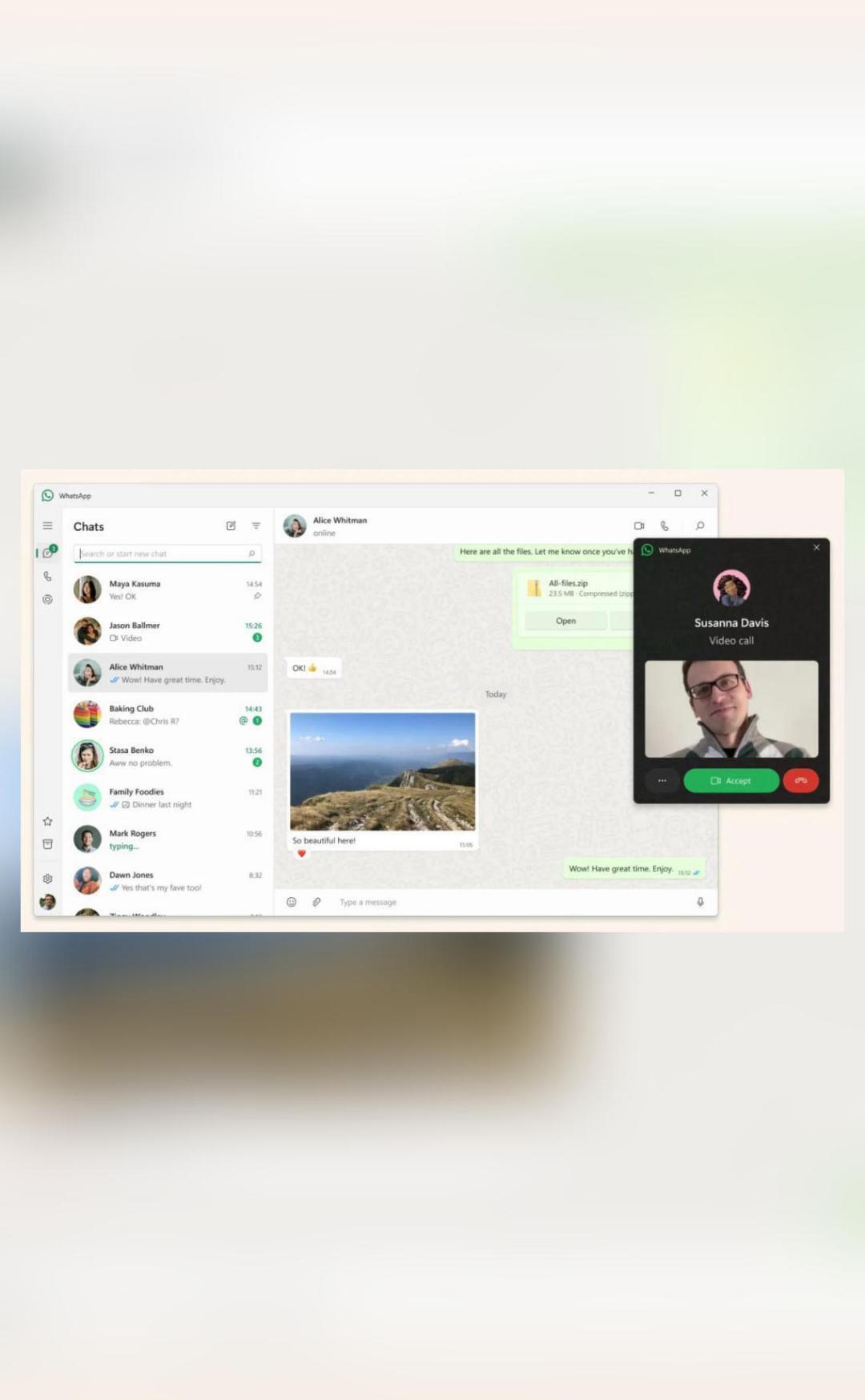
WhatsApp Web to log Indian users out every 6 hours after new govt rules
In a significant move to combat rising digital fraud, the Department of Telecommunications (DoT) has mandated SIM binding for messaging platforms, including WhatsApp. As a result, Indian users of these platforms will no longer be able to enjoy uninterrupted web services. According to the government directive, users will be automatically logged out of WhatsApp Web and other OTT messaging platforms every six hours.
This move is aimed at preventing fraudsters from using messaging platforms to cheat and deceive people. With the rise of digital payments and online transactions, instances of digital fraud have increased significantly in recent years. The government believes that by introducing SIM binding and automatic logouts, it can prevent fraudsters from using these platforms to carry out their nefarious activities.
What is SIM binding?
SIM binding is a process that links a user’s mobile number to their messaging platform account. This means that users will have to verify their mobile number with the messaging platform, and the platform will then bind the user’s account to their SIM card. This will prevent users from accessing their accounts from multiple devices or locations without verifying their mobile number.
How will it work?
According to the government directive, OTT messaging platforms will have to ensure that users are logged out of their accounts every six hours. This means that users will have to re-verify their mobile number every six hours to continue using the platform. The directive also states that users will have to receive an OTP (One-Time Password) on their registered mobile number to re-verify their account.
Impact on users
The introduction of SIM binding and automatic logouts will undoubtedly cause inconvenience to users. Many users access WhatsApp Web and other messaging platforms from their desktops or laptops, and they will have to re-verify their accounts every six hours. This will disrupt their workflow and cause frustration.
Moreover, users who travel frequently or are in areas with poor mobile connectivity may face difficulties in re-verifying their accounts. They may not receive the OTP on their mobile number, and they will be locked out of their accounts until they can receive the OTP.
Impact on businesses
The introduction of SIM binding and automatic logouts will also impact businesses that rely on messaging platforms to communicate with their customers. Many businesses use WhatsApp and other messaging platforms to provide customer support, and the automatic logouts will disrupt their operations.
Businesses will have to find alternative ways to communicate with their customers, which may increase their costs and reduce their efficiency. Moreover, the introduction of SIM binding and automatic logouts may also affect the growth of digital payments and online transactions in India.
Compliance timeline
The DoT has given OTT messaging platforms 90 days to comply with the directive. This means that WhatsApp and other messaging platforms will have to introduce SIM binding and automatic logouts within the next three months.
The compliance timeline is relatively short, and it may be challenging for messaging platforms to implement the changes within the given timeframe. However, the government is keen to introduce these measures to combat digital fraud, and it is likely that the messaging platforms will have to comply with the directive.
Conclusion
The introduction of SIM binding and automatic logouts is a significant move by the government to combat digital fraud. While it may cause inconvenience to users and impact businesses, it is a necessary measure to prevent fraudsters from using messaging platforms to cheat and deceive people.
As the messaging platforms introduce SIM binding and automatic logouts, users will have to adapt to the new measures. They will have to re-verify their accounts every six hours, and they will have to ensure that they receive the OTP on their registered mobile number.
In conclusion, the introduction of SIM binding and automatic logouts is a significant development in the digital landscape of India. It will undoubtedly cause disruption to users and businesses, but it is a necessary measure to combat digital fraud.
About the Author