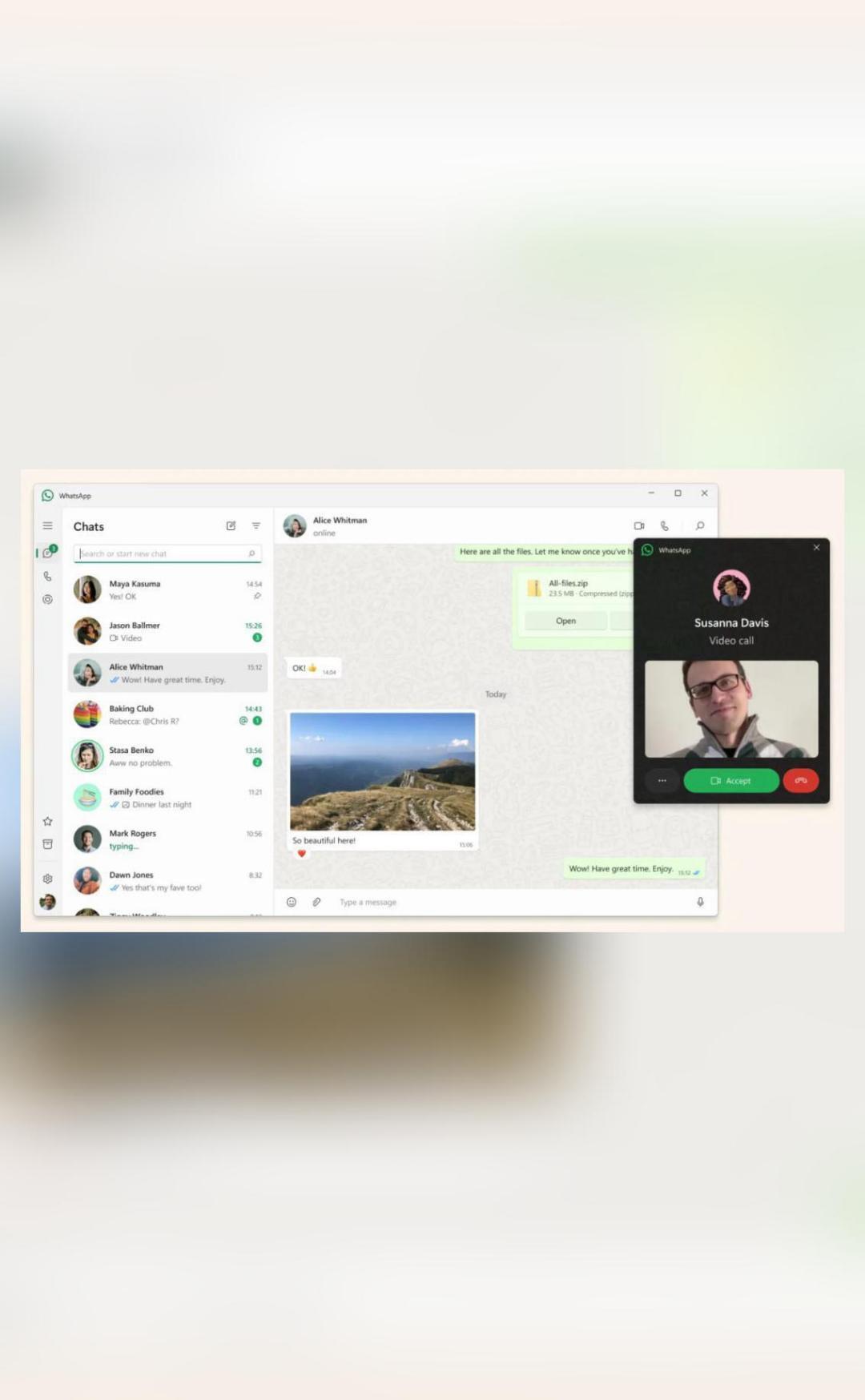
WhatsApp Web to log Indian users out every 6 hours after new govt rules
In a move to combat the rising cases of digital fraud in the country, the Department of Telecommunications (DoT) has introduced a new mandate that will significantly impact the way Indian users access WhatsApp and other messaging platforms on their web browsers. As per the latest directive, these platforms will be required to introduce a SIM binding feature, which will essentially log users out of their web services every six hours. This move is expected to affect millions of users in India who rely on WhatsApp Web and other similar services for their daily communication needs.
The new rule, which has been introduced to curb the growing menace of digital fraud, will require Over-The-Top (OTT) messaging platforms to ensure compliance within a span of 90 days. This means that WhatsApp, along with other popular messaging apps, will have to revamp their web services to incorporate the SIM binding feature, which will periodically log out users to prevent unauthorized access.
The SIM binding feature is essentially a security measure that links a user’s phone number to their SIM card. This ensures that only the authorized user, with the registered SIM card, can access their account on the web. The feature is designed to prevent hackers and fraudsters from gaining unauthorized access to a user’s account, thereby reducing the risk of digital fraud.
The introduction of this feature will undoubtedly cause some inconvenience to users, who will have to log in to their accounts every six hours to continue using the web services. However, the move is seen as a necessary step to combat the rising cases of digital fraud in the country. With the increasing use of digital platforms for financial transactions and other sensitive activities, the risk of cybercrime has grown exponentially.
The new directive is part of the government’s efforts to strengthen the security of digital platforms and protect users from cyber threats. The SIM binding feature is just one of the many measures that the government has introduced to combat digital fraud. Other measures include the introduction of stricter norms for digital payment platforms, increased surveillance of online activities, and stricter penalties for cybercrime.
The impact of the new directive will be felt not just by individual users but also by businesses that rely on WhatsApp and other messaging platforms for their communication needs. Many businesses use these platforms to interact with their customers, provide customer support, and even conduct financial transactions. The periodic logouts will require businesses to adapt their communication strategies and find alternative ways to stay connected with their customers.
The introduction of the SIM binding feature is also expected to raise concerns about user privacy and data security. With the government mandating the collection of user data, including phone numbers and SIM card details, there are concerns about how this data will be used and protected. The government has assured users that the data will be used only for security purposes and will be protected in accordance with the relevant laws and regulations.
In conclusion, the new directive from the DoT will significantly impact the way Indian users access WhatsApp and other messaging platforms on their web browsers. While the introduction of the SIM binding feature may cause some inconvenience to users, it is a necessary step to combat the rising cases of digital fraud in the country. As the government continues to introduce new measures to strengthen the security of digital platforms, users will have to adapt to the changing landscape and find ways to stay safe online.
About the Author