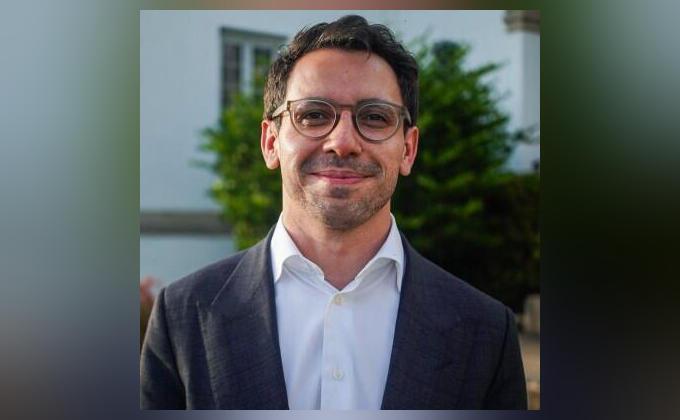
I’ll fire all H-1B workers at state agency: Florida Guv candidate
The debate over immigration and job security has been a contentious issue in the United States, with various politicians weighing in on the matter. Recently, James Fishback, a candidate running to succeed Ron DeSantis as Florida’s next Republican Governor, made a bold statement that has sparked controversy. According to Fishback, if he is elected, he will “fire every H-1B [visa holder] working at a state agency.” This statement has far-reaching implications, and it’s essential to delve into the details of this proposal and its potential consequences.
The H-1B visa program is a non-immigrant visa that allows U.S. employers to temporarily employ foreign workers in specialty occupations. The program is designed to help companies fill labor gaps in areas where there is a shortage of skilled American workers. However, critics argue that the program is often abused, with companies using it to hire cheaper foreign labor instead of employing qualified American workers.
Fishback’s proposal to fire all H-1B workers at state agencies is part of a broader plan to prioritize the hiring of American workers. He also vowed to “cancel state contracts with companies that employ H-1Bs instead of qualified Floridians” and to “incentivise companies to hire Americans again.” This approach is intended to promote job creation and economic growth for American citizens.
However, the implications of Fishback’s proposal are complex and multifaceted. On the one hand, prioritizing the hiring of American workers could lead to an increase in job opportunities for citizens. On the other hand, it could also lead to a brain drain, as foreign workers who have been contributing to the economy and society may be forced to leave the country.
Moreover, Fishback’s statement that “we need to deport…illegals…[and] H-1Bs” raises concerns about the potential for discrimination and xenophobia. The H-1B visa program is designed for legal immigration, and workers who hold these visas are in the country lawfully. Deporting them could be seen as a form of unfair treatment and could damage the reputation of the United States as a welcoming and inclusive society.
The economic implications of Fishback’s proposal are also worth considering. The H-1B visa program is an important source of skilled labor for many companies, particularly in the tech industry. If these workers were to be fired or deported, it could lead to a shortage of skilled workers, which could harm the economy and hinder innovation.
Furthermore, Fishback’s proposal could have unintended consequences, such as driving companies to relocate to other states or countries where they can access the skilled labor they need. This could lead to a loss of jobs and economic activity in Florida, which would ultimately harm the state’s economy.
In conclusion, James Fishback’s proposal to fire all H-1B workers at state agencies is a complex and contentious issue. While prioritizing the hiring of American workers is a laudable goal, the implications of this proposal are far-reaching and multifaceted. It’s essential to consider the potential consequences of such a policy, including the impact on the economy, society, and the reputation of the United States.
As the debate over immigration and job security continues, it’s crucial to approach this issue with nuance and sensitivity. Rather than relying on simplistic solutions or rhetoric, policymakers should strive to create a fair and balanced system that promotes economic growth, job creation, and social cohesion.
Ultimately, the decision to hire workers should be based on merit, skills, and qualifications, rather than nationality or immigration status. By prioritizing these values, we can create a more inclusive and prosperous society, where everyone has the opportunity to contribute and thrive.
About the Author