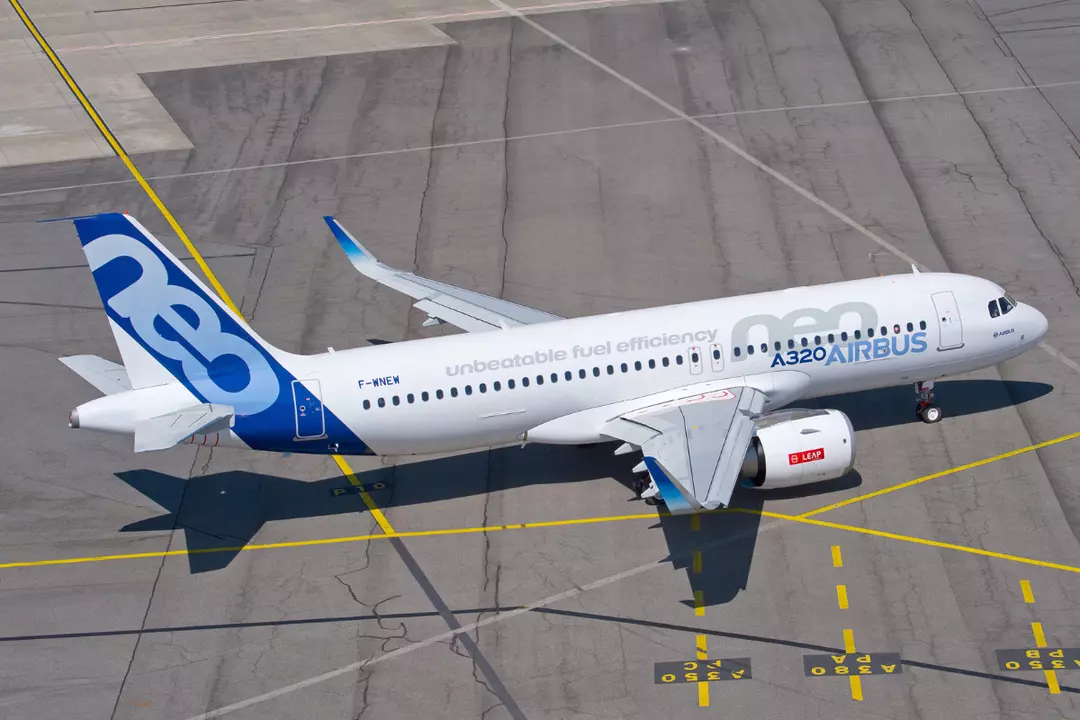
What is the Airbus A320 software issue and why are 6,000 planes grounded?
The aviation industry has been shaken by a recent software issue that has led to the grounding of over 6,000 Airbus A320 jets. The issue came to light when an A320 aircraft suddenly nosedived in the US without any input from the pilots, resulting in injuries to several passengers. The sudden altitude loss was reportedly caused by solar radiation corrupting data in the aircraft’s Elevator Aileron Computer (ELAC) system, which translates pilot commands to the wings and tail of the plane.
The ELAC system is a critical component of the Airbus A320’s fly-by-wire system, which uses electronic signals to control the aircraft’s flight surfaces. The system is designed to provide a high level of redundancy and reliability, but it appears that the software issue has compromised its ability to function correctly. The problem is believed to be related to the way the ELAC system processes data, particularly when it is exposed to high levels of solar radiation.
Experts say that solar radiation can release charged particles that can disrupt aircraft electronics, including the ELAC system. This can cause the system to malfunction, leading to unpredictable behavior such as the sudden nosedive experienced by the A320 aircraft. The issue is not limited to the A320, as other aircraft that use similar fly-by-wire systems may also be vulnerable to the problem.
The grounding of the 6,000 Airbus A320 jets is a significant blow to the aviation industry, as it will cause disruptions to flight schedules and operations. The recall is also likely to have a major impact on the airlines that operate the affected aircraft, as they will need to find alternative planes to maintain their schedules. The cost of the recall is expected to be substantial, with estimates suggesting that it could run into hundreds of millions of dollars.
The software issue has raised concerns about the safety of the Airbus A320 and other aircraft that use similar systems. The incident has also highlighted the need for more robust testing and validation of aircraft systems, particularly those that are critical to safety. The aviation industry has a reputation for being highly safety-conscious, but the A320 software issue has shown that even the most advanced systems can be vulnerable to unexpected problems.
The investigation into the software issue is ongoing, and it is likely that the root cause of the problem will be identified in the coming weeks. In the meantime, the grounding of the 6,000 Airbus A320 jets will continue, causing disruptions to the aviation industry. The incident has also raised questions about the long-term implications of the software issue, particularly if it is found to be a systemic problem that affects other aircraft.
One of the main concerns is that the software issue could be a sign of a larger problem with the way that aircraft systems are designed and tested. The use of complex software systems in aircraft has increased significantly in recent years, and it is possible that the industry has not kept pace with the need for more robust testing and validation. The A320 software issue has highlighted the need for more rigorous testing and validation of aircraft systems, particularly those that are critical to safety.
The incident has also raised questions about the role of solar radiation in disrupting aircraft electronics. The problem is not unique to the Airbus A320, as other aircraft have also been affected by solar radiation in the past. However, the A320 software issue has highlighted the need for more research into the effects of solar radiation on aircraft systems, particularly those that are critical to safety.
In conclusion, the Airbus A320 software issue is a significant problem that has led to the grounding of over 6,000 aircraft. The issue is believed to be related to the way the ELAC system processes data, particularly when it is exposed to high levels of solar radiation. The problem has raised concerns about the safety of the Airbus A320 and other aircraft that use similar systems, and it has highlighted the need for more robust testing and validation of aircraft systems. The investigation into the software issue is ongoing, and it is likely that the root cause of the problem will be identified in the coming weeks.
About the Author