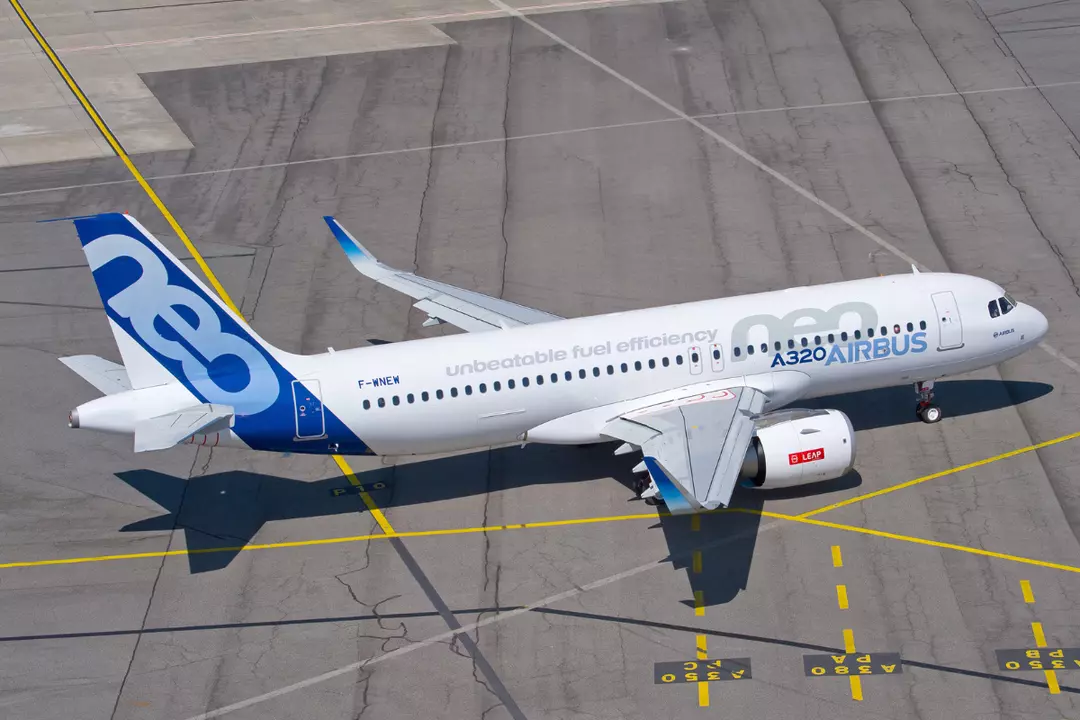
What is the Airbus A320 software issue and why are 6,000 planes grounded?
The aviation industry has been hit with a major setback as Airbus, one of the world’s leading aircraft manufacturers, has recalled 6,000 of its A320 jets due to a software issue that poses a significant threat to the safety of passengers and crew. The issue came to light after an A320 aircraft suddenly nosedived in the US without any pilot input, resulting in injuries to passengers on board. The incident has raised concerns about the reliability of the aircraft’s systems and the potential risks associated with solar radiation disrupting aircraft electronics.
According to reports, the sudden altitude loss experienced by the A320 aircraft was caused by solar radiation corrupting data in the aircraft’s Elevator Aileron Computer (ELAC) system. The ELAC system is a critical component of the aircraft’s flight control system, responsible for translating pilot commands to the wings and tail. The system’s malfunction can have catastrophic consequences, as evident in the recent incident.
Experts believe that solar radiation can release charged particles that can disrupt aircraft electronics, including the ELAC system. This phenomenon is not unique to the A320 aircraft and can potentially affect other aircraft that rely on similar systems. The issue is particularly concerning given the increasing reliance on automation and computerized systems in modern aircraft.
The recall of 6,000 A320 jets is a significant development, and it raises questions about the safety and reliability of these aircraft. The A320 is one of the most popular commercial aircraft in the world, with thousands of planes in operation across the globe. The recall will likely cause disruptions to flight schedules and may result in significant financial losses for airlines and other stakeholders.
The software issue affecting the A320 aircraft is a complex problem that requires a comprehensive solution. Airbus has announced that it is working on a software update to address the issue, but the process is expected to take several months to complete. In the meantime, airlines will have to ground their affected aircraft, which will likely cause significant disruptions to their operations.
The incident highlights the importance of ensuring the safety and reliability of aircraft systems. The aviation industry is heavily reliant on technology, and the malfunction of a single system can have catastrophic consequences. The recall of the A320 jets is a reminder that even the most advanced aircraft can be vulnerable to unexpected issues, and it is essential to have robust safety protocols in place to mitigate these risks.
The role of solar radiation in disrupting aircraft electronics is a significant concern. Solar radiation can cause electromagnetic interference (EMI) that can affect aircraft systems, including navigation, communication, and flight control systems. The EMI can be caused by solar flares, coronal mass ejections, or other space weather events. The aviation industry needs to take steps to mitigate the risks associated with solar radiation, including the development of more robust and resilient systems.
In conclusion, the Airbus A320 software issue is a significant concern that affects the safety and reliability of thousands of aircraft worldwide. The recall of 6,000 A320 jets is a major development that will likely cause disruptions to flight schedules and result in significant financial losses. The incident highlights the importance of ensuring the safety and reliability of aircraft systems and the need for robust safety protocols to mitigate unexpected issues. As the aviation industry continues to evolve and rely more heavily on technology, it is essential to address the risks associated with solar radiation and other external factors that can disrupt aircraft electronics.
About the Author