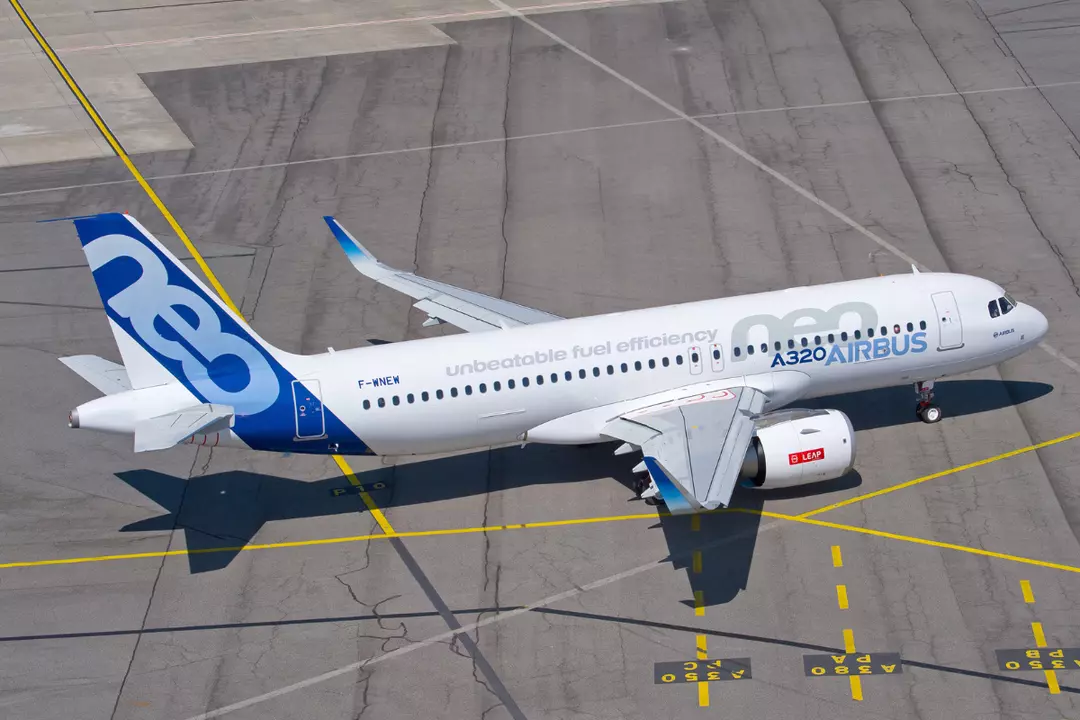
What is the Airbus A320 software issue and why are 6,000 planes grounded?
The aviation industry has been shaken by a recent software issue affecting the Airbus A320, one of the most widely used commercial aircraft in the world. In a shocking turn of events, Airbus has recalled 6,000 A320 jets due to a software glitch that was discovered when an A320 aircraft suddenly nosedived in the US without any pilot input, injuring several passengers. The sudden altitude loss was reportedly caused by solar radiation corrupting data in the aircraft’s Electronic Centralized Aircraft Monitor (ELAC) system, which translates pilot commands to the wings and tail.
The incident has raised concerns about the safety of air travel and the potential risks posed by software issues in modern aircraft. According to experts, solar radiation can release charged particles that can disrupt aircraft electronics, including the ELAC system. This can lead to a range of problems, from minor glitches to catastrophic failures. In the case of the A320, the software issue was severe enough to cause the aircraft to nosedive without any warning, putting the lives of everyone on board at risk.
The ELAC system is a critical component of the A320’s fly-by-wire system, which uses electronic signals to control the aircraft’s flight surfaces. The system is designed to provide a high level of redundancy and safety, but the software issue has highlighted the potential vulnerabilities of even the most advanced systems. The fact that solar radiation can corrupt data in the ELAC system is a worrying development, as it suggests that even external factors can compromise the safety of an aircraft.
The recall of 6,000 A320 jets is a significant development, and it will likely have a major impact on the aviation industry. Airlines that operate the A320 will be forced to ground their fleets until the software issue is resolved, which could lead to widespread disruptions and cancellations. The recall will also have significant economic implications, as airlines will be forced to incur significant costs to rectify the problem.
The cause of the software issue is still being investigated, but experts believe that it is related to the way in which the ELAC system processes data. The system uses a complex algorithm to translate pilot commands into electronic signals, and it appears that this algorithm is vulnerable to corruption by solar radiation. The investigation is ongoing, but it is clear that the software issue is a serious problem that needs to be addressed urgently.
The incident has also raised questions about the safety of air travel and the potential risks posed by software issues in modern aircraft. While the A320 is a highly advanced aircraft with a strong safety record, the software issue has highlighted the potential vulnerabilities of even the most advanced systems. The fact that solar radiation can corrupt data in the ELAC system is a worrying development, as it suggests that even external factors can compromise the safety of an aircraft.
In response to the incident, Airbus has issued a statement acknowledging the software issue and promising to take immediate action to rectify the problem. The company has also issued a warning to airlines that operate the A320, advising them to take precautions to minimize the risk of a similar incident occurring. The aviation regulatory bodies have also taken notice of the issue and are working closely with Airbus to resolve the problem.
The recall of the A320 jets is a significant development, and it will likely have a major impact on the aviation industry. However, it is also a reminder of the importance of safety in air travel and the need for constant vigilance to ensure that aircraft are airworthy. The incident has highlighted the potential risks posed by software issues in modern aircraft, and it has underscored the need for manufacturers to prioritize safety in the design and development of their products.
In conclusion, the Airbus A320 software issue is a serious problem that needs to be addressed urgently. The fact that solar radiation can corrupt data in the ELAC system is a worrying development, and it has highlighted the potential vulnerabilities of even the most advanced systems. The recall of 6,000 A320 jets is a significant development, and it will likely have a major impact on the aviation industry. However, it is also a reminder of the importance of safety in air travel and the need for constant vigilance to ensure that aircraft are airworthy.
About the Author