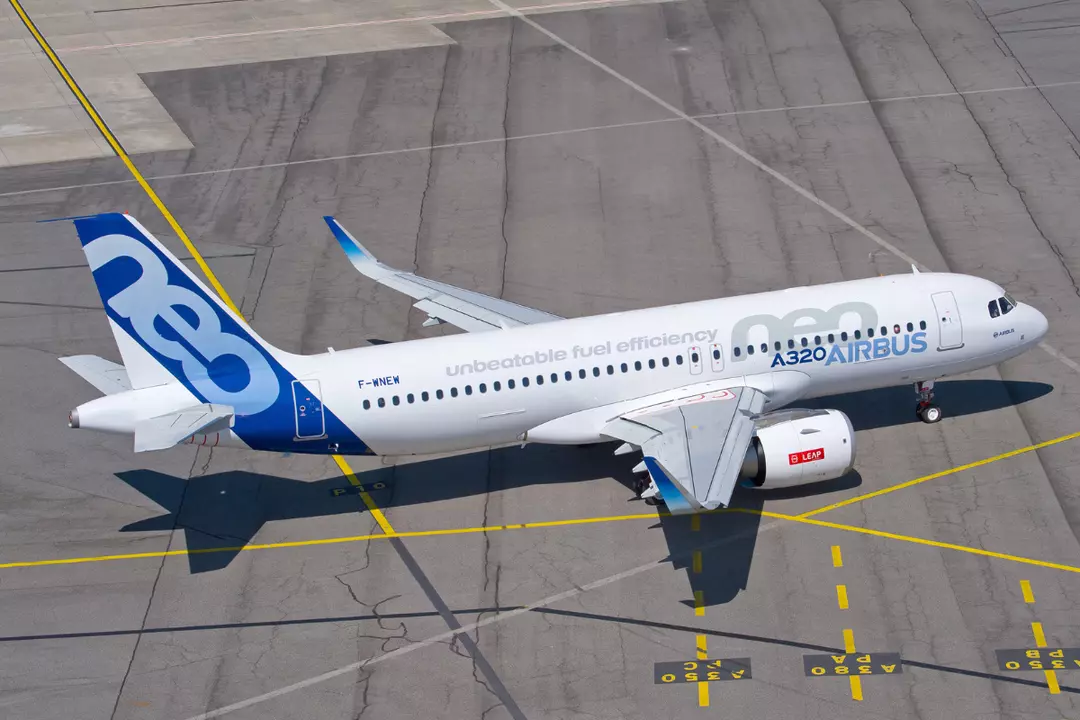
What is the Airbus A320 software issue and why are 6,000 planes grounded?
The aviation industry is facing a significant crisis with the recent grounding of over 6,000 Airbus A320 jets due to a software issue that has raised concerns about the safety of these aircraft. The issue came to light after an A320 aircraft suddenly nosedived in the United States without any pilot input, resulting in injuries to passengers on board. The sudden altitude loss was reportedly caused by solar radiation corrupting data in the aircraft’s Elevator and Aileron Computer (ELAC) system, which translates pilot commands to the wings and tail.
The ELAC system is a critical component of the A320’s fly-by-wire system, which relies on electronic signals to control the aircraft’s flight surfaces. The system is designed to receive input from the pilots and translate it into precise movements of the wings and tail, allowing the aircraft to climb, descend, and turn safely. However, the software issue has raised questions about the reliability of this system and its vulnerability to external factors such as solar radiation.
According to experts, solar radiation can release charged particles that can disrupt aircraft electronics, including the ELAC system. This phenomenon is known as a “single event upset” (SEU), which occurs when a high-energy particle strikes a sensitive electronic component, causing it to malfunction. In the case of the A320, the SEU can corrupt the data in the ELAC system, leading to unpredictable behavior of the aircraft’s flight surfaces.
The incident that led to the grounding of the A320 jets occurred when an aircraft suddenly pitched down without any pilot input, resulting in a rapid loss of altitude. The pilots were able to recover the aircraft, but not before several passengers were injured. An investigation into the incident revealed that the ELAC system had been affected by solar radiation, which had corrupted the data and caused the aircraft to behave erratically.
The grounding of the A320 jets has significant implications for the aviation industry, with many airlines forced to cancel flights and rearrange their schedules. The issue has also raised concerns about the safety of other aircraft that may be vulnerable to similar software issues. Airbus has issued a recall notice for the affected aircraft, and airlines are working to implement the necessary software updates to prevent similar incidents in the future.
The software issue affecting the A320 jets is a complex problem that requires a comprehensive solution. Airbus and regulatory authorities are working together to develop a fix for the issue, which is expected to involve a software update that will improve the resilience of the ELAC system to solar radiation. The update will likely involve the implementation of additional error-checking and correction algorithms, as well as the use of more robust electronic components that are less susceptible to SEUs.
In addition to the software update, airlines and regulatory authorities are also taking steps to mitigate the risks associated with solar radiation. This includes providing pilots with additional training on how to respond to SEUs, as well as implementing procedures for monitoring and reporting any unusual behavior of the aircraft’s flight surfaces.
The grounding of the A320 jets is a significant setback for the aviation industry, but it also highlights the importance of safety and the need for continuous vigilance in the face of emerging threats. As the industry works to address the software issue and implement the necessary fixes, it is also an opportunity to reflect on the complexities of modern aircraft systems and the need for ongoing investment in research and development to ensure that these systems remain safe and reliable.
In conclusion, the Airbus A320 software issue is a complex problem that has significant implications for the aviation industry. The grounding of over 6,000 aircraft is a major setback, but it also highlights the importance of safety and the need for continuous vigilance in the face of emerging threats. As the industry works to address the issue and implement the necessary fixes, it is also an opportunity to reflect on the complexities of modern aircraft systems and the need for ongoing investment in research and development to ensure that these systems remain safe and reliable.
About the Author