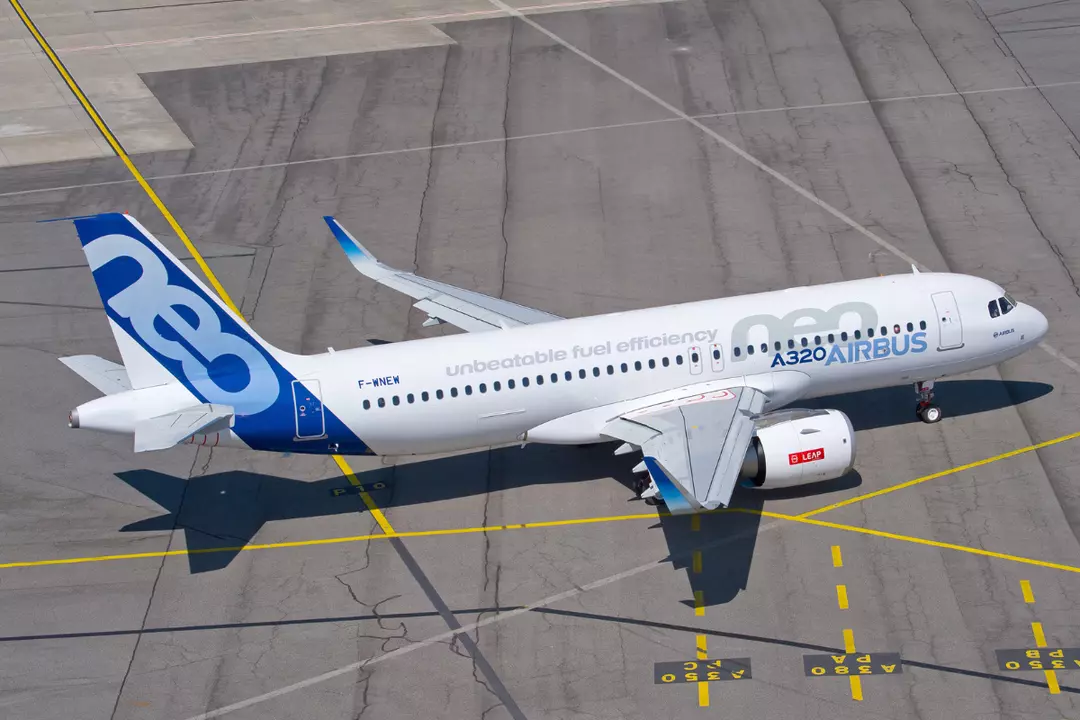
What is the Airbus A320 software issue and why are 6,000 planes grounded?
The aviation industry is facing a significant crisis as Airbus, one of the world’s leading aircraft manufacturers, has recalled 6,000 of its A320 jets due to a software issue that poses a significant threat to passenger safety. The issue came to light when an A320 aircraft suddenly nosedived in the United States without any pilot input, resulting in injuries to several passengers. The sudden altitude loss was reportedly caused by solar radiation corrupting data in the aircraft’s Elevator Aileron Computer (ELAC) system, which translates pilot commands to the wings and tail.
The ELAC system is a critical component of the A320’s fly-by-wire system, which relies on electronic signals to control the aircraft’s movements. The system uses sensors and software to interpret pilot inputs and adjust the aircraft’s flight trajectory accordingly. However, in this case, the software issue allowed solar radiation to corrupt the data in the ELAC system, leading to a sudden and uncontrolled descent.
Experts say that solar radiation can release charged particles that can disrupt aircraft electronics, including the ELAC system. This phenomenon is known as a “solar radiation disruption” and can have catastrophic consequences if not addressed promptly. The recall of 6,000 A320 jets is a precautionary measure to prevent any further incidents and ensure the safety of passengers and crew.
The software issue is believed to be related to the way the ELAC system processes data from the aircraft’s sensors. The system relies on a complex algorithm to interpret pilot inputs and adjust the aircraft’s flight trajectory accordingly. However, in certain circumstances, the algorithm can be disrupted by solar radiation, leading to a loss of control.
The incident has raised concerns about the safety of the A320 fleet, which is one of the most widely used commercial aircraft in the world. The A320 is a popular choice among airlines due to its fuel efficiency, reliability, and comfort. However, the software issue has highlighted the need for robust testing and validation of aircraft systems to ensure that they can withstand various environmental factors, including solar radiation.
Airbus has assured that it is working closely with regulatory authorities and airlines to address the issue and prevent any further incidents. The company has also issued a software patch to fix the issue, which will be installed on all affected aircraft. However, the recall of 6,000 jets is a significant undertaking that will require significant resources and time.
The incident has also raised questions about the role of solar radiation in disrupting aircraft electronics. Solar radiation is a natural phenomenon that can affect aircraft systems, particularly during periods of high solar activity. However, the incident highlights the need for aircraft manufacturers to design systems that can withstand such disruptions.
The recall of the A320 jets is a significant blow to the aviation industry, which is already facing challenges due to the COVID-19 pandemic. The incident has also raised concerns about the safety of air travel, which is a critical component of the global economy. However, the swift action taken by Airbus and regulatory authorities to address the issue demonstrates the industry’s commitment to safety and its willingness to take proactive measures to prevent incidents.
In conclusion, the Airbus A320 software issue is a significant concern that has led to the recall of 6,000 jets. The issue highlights the importance of robust testing and validation of aircraft systems to ensure that they can withstand various environmental factors, including solar radiation. The incident also underscores the need for aircraft manufacturers to design systems that can withstand disruptions caused by solar radiation. As the aviation industry continues to evolve, it is essential to prioritize safety and take proactive measures to prevent incidents.
About the Author