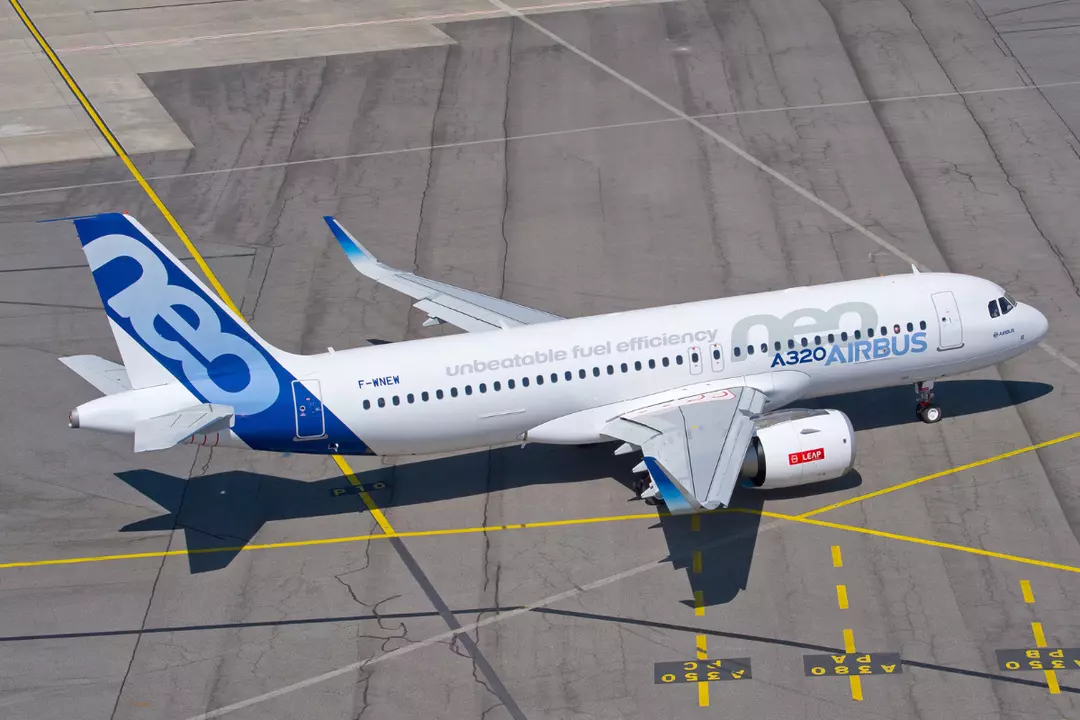
What is the Airbus A320 software issue and why are 6,000 planes grounded?
The aviation industry has been rocked by a recent software issue affecting the Airbus A320, one of the most widely used commercial aircraft in the world. In a shocking turn of events, Airbus has recalled 6,000 A320 jets due to a software glitch that was discovered after a disturbing incident in the United States. On a fateful day, an A320 aircraft suddenly nosedived without any pilot input, injuring several passengers on board. The sudden altitude loss was reportedly caused by solar radiation corrupting data in the aircraft’s Elevator and Aileron Computer (ELAC) system, which translates pilot commands to the wings and tail.
The ELAC system is a critical component of the Airbus A320’s fly-by-wire system, which relies on electronic signals to control the aircraft’s movements. However, it appears that the system is vulnerable to disruption caused by solar radiation, which releases charged particles that can interfere with the aircraft’s electronics. This phenomenon is not new to the aviation industry, as solar radiation has been known to cause disruptions to electronic systems in the past. However, the fact that it can cause a commercial airliner to nosedive without warning is a disturbing revelation that has raised serious concerns about the safety of air travel.
The incident in question occurred when the A320 aircraft was flying over the United States, and the pilots were caught off guard by the sudden loss of altitude. Fortunately, the pilots were able to regain control of the aircraft and prevent a major disaster. However, the incident highlighted the need for a thorough investigation into the cause of the software glitch and the potential risks it poses to the safety of passengers and crew.
Experts say that solar radiation can release charged particles that can disrupt aircraft electronics, including the ELAC system. This can cause a range of problems, from minor glitches to major system failures. In the case of the A320, the software issue can cause the aircraft to lose altitude suddenly, without any warning or input from the pilots. This is a serious safety concern, as it can put the lives of everyone on board at risk.
The recall of 6,000 A320 jets is a major undertaking that will involve significant costs and disruptions to airlines and passengers. However, it is a necessary step to ensure the safety of air travel and prevent any further incidents. Airbus has announced that it will provide software updates to fix the issue, which will involve reprogramming the ELAC system to prevent it from being disrupted by solar radiation.
The software issue affecting the A320 is a complex problem that requires a comprehensive solution. It involves not only fixing the software glitch but also ensuring that the aircraft’s electronic systems are protected from the effects of solar radiation. This may involve installing shielding or other protective measures to prevent charged particles from interfering with the aircraft’s electronics.
The incident has also raised questions about the safety of other aircraft that may be vulnerable to similar software issues. The aviation industry is highly regulated, and manufacturers are required to follow strict safety protocols to ensure that their aircraft meet the highest safety standards. However, the fact that a software glitch can cause a commercial airliner to nosedive without warning highlights the need for constant vigilance and monitoring to ensure that safety standards are met.
In conclusion, the Airbus A320 software issue is a serious concern that has raised questions about the safety of air travel. The recall of 6,000 A320 jets is a necessary step to ensure that passengers and crew are protected from the risks posed by the software glitch. As the aviation industry continues to evolve and become more reliant on complex electronic systems, it is essential that manufacturers and regulators prioritize safety and take steps to prevent similar incidents from occurring in the future.
About the Author