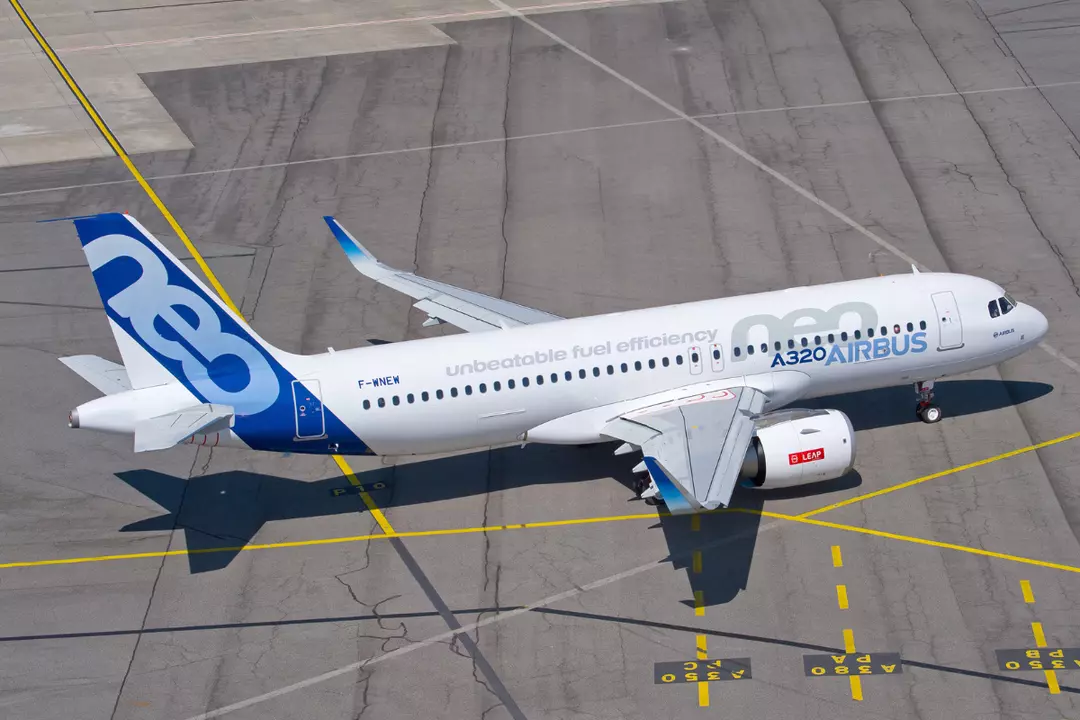
What is the Airbus A320 software issue and why are 6,000 planes grounded?
The aviation industry has been shaken by a recent software issue affecting the Airbus A320, a widely used commercial airliner. In a shocking turn of events, Airbus has recalled approximately 6,000 A320 jets due to a software glitch that has raised significant concerns about the safety of these aircraft. The issue came to light after an A320 aircraft suddenly nosedived in the United States without any input from the pilots, resulting in injuries to passengers on board. The sudden altitude loss was attributed to solar radiation, which corrupted data in the aircraft’s ELAC (Elevator and Aileron Computer) system. This system plays a critical role in translating pilot commands to the wings and tail of the aircraft.
The incident has sparked a heated debate about the reliability of modern aircraft systems and the potential risks associated with solar radiation. Experts in the field have weighed in on the issue, explaining that solar radiation can release charged particles that can disrupt aircraft electronics. This phenomenon, known as a “solar radiation disruption,” can have severe consequences, including the loss of control of the aircraft. In the case of the A320, the software issue allowed the solar radiation to corrupt the data in the ELAC system, leading to the unexpected nosedive.
The Airbus A320 is a popular choice among airlines, with over 8,000 units delivered to date. The aircraft’s reliability and efficiency have made it a favorite among carriers, but the recent software issue has raised questions about its safety. The recall of 6,000 A320 jets is a significant development, as it will likely cause disruptions to flight schedules and impact the operations of airlines that rely on these aircraft. The recall is also expected to have economic implications, as airlines may need to ground their A320 fleets until the software issue is resolved.
The cause of the software issue is still being investigated, but preliminary findings suggest that the problem lies in the way the ELAC system processes data. The system is designed to receive inputs from the pilots and translate them into commands for the wings and tail of the aircraft. However, the software issue allows solar radiation to interfere with this process, leading to corrupted data and unexpected behavior from the aircraft. The investigation is ongoing, and Airbus is working closely with regulatory authorities to identify the root cause of the problem and develop a solution.
The implications of the Airbus A320 software issue are far-reaching, and the aviation industry is taking the matter very seriously. The Federal Aviation Administration (FAA) has issued a statement saying that it is working closely with Airbus to address the issue and ensure the safety of passengers and crew. The European Aviation Safety Agency (EASA) has also issued a directive requiring airlines to take immediate action to address the software issue.
In the meantime, airlines are taking steps to mitigate the risk of the software issue. Some carriers have already grounded their A320 fleets, while others are implementing temporary fixes to prevent the solar radiation disruption. The situation is being closely monitored by regulatory authorities, and airlines are working to minimize disruptions to their operations.
The Airbus A320 software issue is a reminder of the complexities and risks associated with modern aircraft systems. As technology continues to evolve, the potential for software issues and other technical problems will only increase. The aviation industry must remain vigilant and proactive in addressing these risks, ensuring the safety of passengers and crew.
In conclusion, the Airbus A320 software issue is a significant development that has raised concerns about the safety of these aircraft. The recall of 6,000 A320 jets is a major disruption to the aviation industry, and airlines are working to mitigate the risks associated with the software issue. As the investigation continues, it is essential for regulatory authorities, airlines, and manufacturers to work together to address the issue and prevent similar incidents in the future.
About the Author