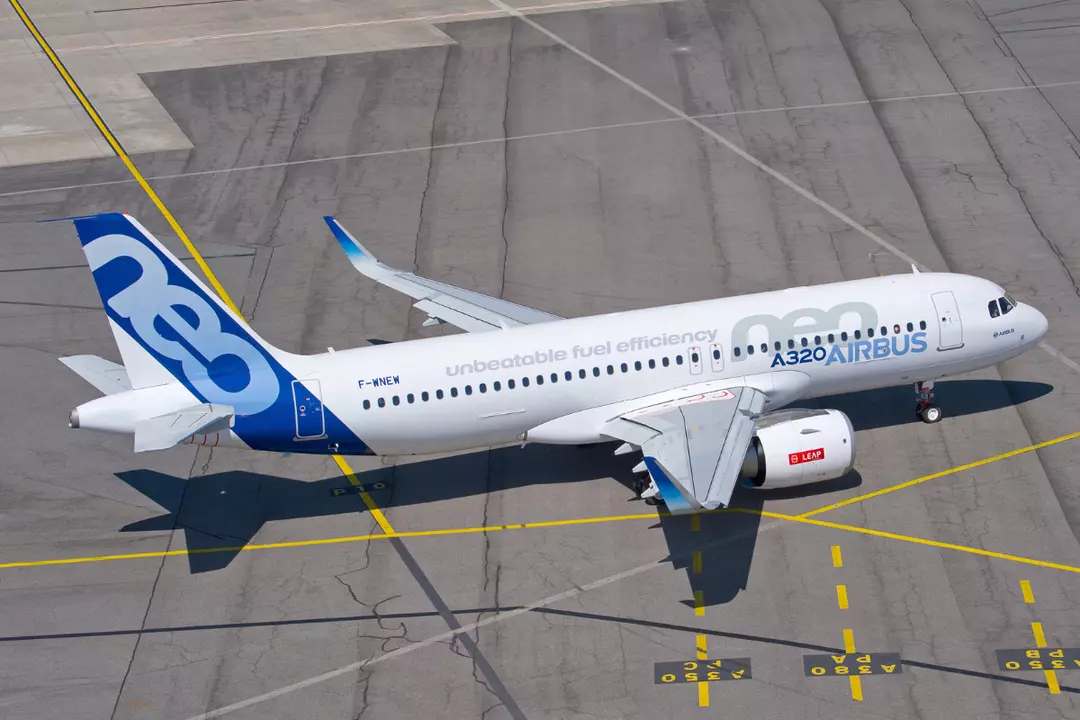
What is the Airbus A320 software issue and why are 6,000 planes grounded?
The aviation industry has been left reeling after Airbus, one of the world’s leading aircraft manufacturers, recalled 6,000 of its A320 jets due to a software issue that has raised serious concerns about the safety of these planes. The issue came to light after an A320 aircraft suddenly nosedived in the US without any pilot input, injuring several passengers on board. The sudden altitude loss was reportedly caused by solar radiation corrupting data in the aircraft’s Elevator Aileron Computer (ELAC) system, which plays a crucial role in translating pilot commands to the wings and tail of the plane.
The ELAC system is a critical component of the A320’s fly-by-wire system, which uses electronic signals to control the movement of the aircraft’s flight surfaces. The system is designed to receive input from the pilots and translate it into precise movements of the ailerons, elevators, and rudder. However, in this case, the system was compromised by solar radiation, which released charged particles that disrupted the aircraft’s electronics. This disruption caused the plane to suddenly lose altitude, putting the lives of everyone on board at risk.
Experts say that solar radiation can release charged particles that can disrupt aircraft electronics, including the ELAC system. This phenomenon is known as a “solar radiation event” and can occur when a plane flies through a region of intense solar activity. The charged particles released by the sun can penetrate the aircraft’s shielding and interfere with the electronic systems, causing malfunctions and potentially even crashes.
The incident has raised serious concerns about the safety of the A320 fleet, which is one of the most widely used commercial aircraft in the world. The recall of 6,000 planes is a significant blow to the aviation industry, which is already struggling to recover from the impact of the COVID-19 pandemic. The recall will also have a significant impact on airlines, which will have to ground their A320 fleets and find alternative aircraft to operate their routes.
Airbus has said that it is working to resolve the issue as quickly as possible and has issued a software update to fix the problem. The company has also said that it is working with regulatory authorities to ensure that the issue is fully addressed and that the safety of the A320 fleet is guaranteed. However, the recall has already caused significant disruption to air travel, with several airlines canceling flights and others being forced to operate with reduced fleets.
The incident has also raised questions about the safety of fly-by-wire systems, which are used in many modern commercial aircraft. While these systems have been shown to be highly reliable and safe, they are not immune to malfunctions and can be vulnerable to interference from external sources, such as solar radiation. The incident highlights the need for aircraft manufacturers to design and test their systems to withstand such events and to ensure that they have adequate backup systems in place to prevent such malfunctions.
In conclusion, the Airbus A320 software issue is a serious concern that has raised questions about the safety of the A320 fleet. The recall of 6,000 planes is a significant blow to the aviation industry, and it will take time and effort to resolve the issue. However, it is essential that the safety of the flying public is guaranteed, and that aircraft manufacturers and regulatory authorities take all necessary steps to ensure that such incidents do not happen again in the future.
For more information on this story, please visit: https://www.firstpost.com/explainers/airbus-a320-planes-recall-solar-radiation-disruption-software-issue-13954984.html/amp
About the Author