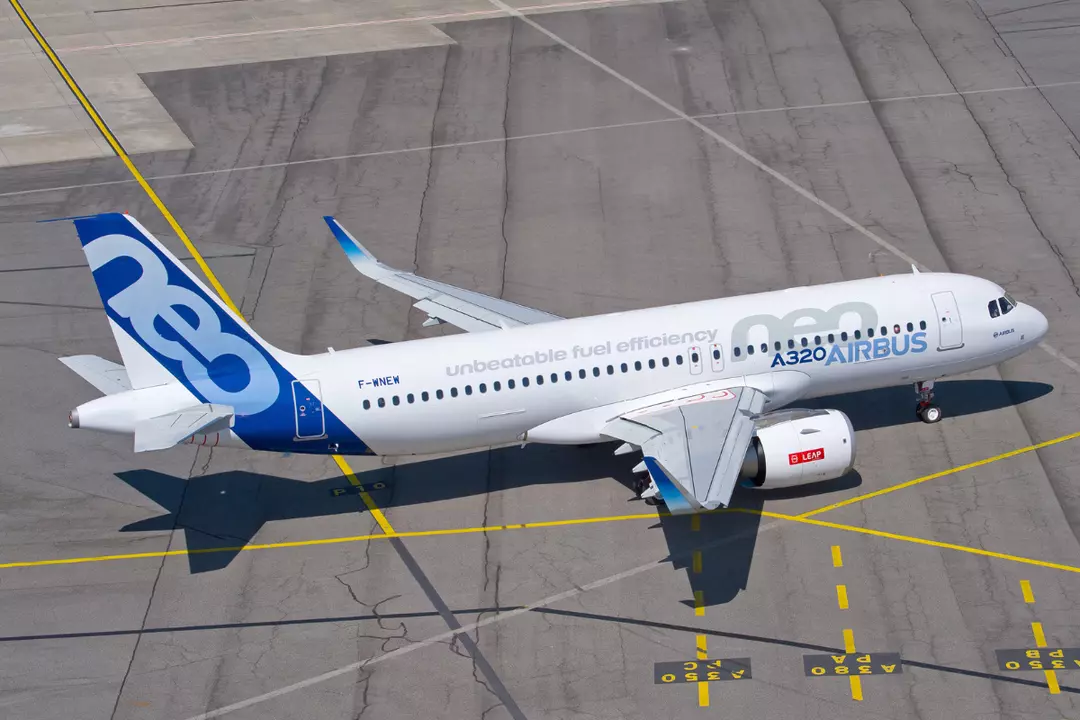
What is the Airbus A320 software issue and why are 6,000 planes grounded?
The aviation industry has been shaken by a recent software issue that has led to the grounding of over 6,000 Airbus A320 jets. The issue came to light when an A320 aircraft suddenly nosedived in the United States without any input from the pilots, resulting in injuries to the passengers on board. An investigation into the incident revealed that the sudden altitude loss was caused by solar radiation corrupting data in the aircraft’s Elevator and Aileron Computer (ELAC) system. The ELAC system is responsible for translating pilot commands into movements of the wings and tail, making it a critical component of the aircraft’s flight control system.
According to experts, solar radiation can release charged particles that have the potential to disrupt aircraft electronics, including the ELAC system. This can lead to a range of problems, from minor glitches to catastrophic failures. In the case of the A320 aircraft that nosedived, the solar radiation is believed to have corrupted the data in the ELAC system, causing the aircraft to lose altitude suddenly and without warning.
The incident has raised concerns about the reliability of the A320’s software and the potential risks associated with solar radiation interference. As a result, Airbus has recalled 6,000 A320 jets to address the software issue and ensure that the aircraft are safe to fly. The recall is a significant undertaking, with thousands of aircraft affected and a substantial impact on the aviation industry as a whole.
The Role of Solar Radiation in Aircraft Electronics
Solar radiation is a natural phenomenon that occurs when the sun emits charged particles into space. These particles can interact with the Earth’s magnetic field, causing a range of effects on the planet’s atmosphere and technology systems. In the case of aircraft electronics, solar radiation can release charged particles that can disrupt the functioning of critical systems, including the ELAC system.
The effects of solar radiation on aircraft electronics are not limited to the A320. All aircraft are potentially vulnerable to solar radiation interference, although the risk is higher for aircraft that operate at high altitudes or in areas with high levels of solar activity. The aviation industry has long been aware of the risks associated with solar radiation, and manufacturers have taken steps to mitigate these risks through the use of shielding, filtering, and other protective measures.
However, the incident involving the A320 aircraft highlights the need for ongoing vigilance and monitoring of solar radiation levels. Aircraft manufacturers, regulators, and operators must work together to ensure that aircraft are designed and operated to minimize the risks associated with solar radiation interference.
The Impact of the Recall on the Aviation Industry
The recall of 6,000 A320 jets is a significant event that will have far-reaching consequences for the aviation industry. The recall will require substantial resources and effort to implement, with thousands of aircraft needing to be grounded and modified to address the software issue.
The recall will also have a major impact on airlines and passengers, with thousands of flights likely to be disrupted or canceled. The aviation industry is already facing significant challenges, including rising fuel costs, increased competition, and growing concerns about safety and security. The recall of the A320 jets will add to these challenges, making it even more difficult for airlines to operate efficiently and effectively.
The Response of Airbus and Regulatory Authorities
Airbus has responded quickly to the incident, issuing a recall notice for 6,000 A320 jets and working with regulatory authorities to address the software issue. The company has also announced plans to implement additional safety measures, including the use of shielding and filtering to protect against solar radiation interference.
Regulatory authorities, including the Federal Aviation Administration (FAA) and the European Aviation Safety Agency (EASA), have also responded to the incident, issuing statements and guidelines to ensure that the recall is implemented safely and efficiently. The regulatory authorities will play a critical role in overseeing the recall and ensuring that the necessary modifications are made to the affected aircraft.
Conclusion
The software issue affecting the Airbus A320 is a significant concern that highlights the risks associated with solar radiation interference. The incident involving the A320 aircraft that nosedived in the United States is a stark reminder of the importance of ensuring that aircraft are designed and operated to minimize these risks.
The recall of 6,000 A320 jets is a major undertaking that will have far-reaching consequences for the aviation industry. However, it is a necessary step to ensure that the aircraft are safe to fly and that the risks associated with solar radiation interference are mitigated.
As the aviation industry continues to evolve and grow, it is essential that manufacturers, regulators, and operators work together to address the challenges posed by solar radiation interference. This includes investing in research and development, implementing additional safety measures, and ensuring that aircraft are designed and operated to minimize the risks associated with solar radiation.
For more information on this topic, please visit: https://www.firstpost.com/explainers/airbus-a320-planes-recall-solar-radiation-disruption-software-issue-13954984.html/amp
About the Author