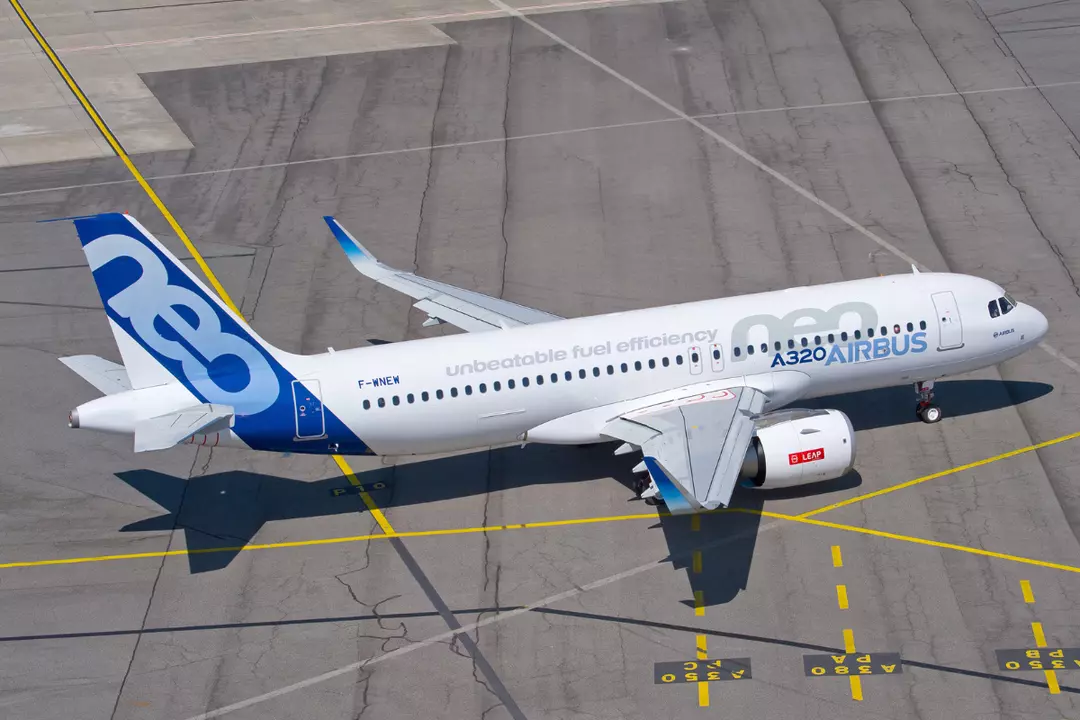
What is the Airbus A320 software issue and why are 6,000 planes grounded?
The aviation industry has been rocked by a recent software issue affecting the Airbus A320, one of the most widely used commercial aircraft in the world. The problem came to light when an A320 aircraft suddenly nosedived in the United States without any input from the pilots, resulting in injuries to passengers on board. This incident has led to the grounding of approximately 6,000 A320 jets, with Airbus recalling the planes to address the issue. In this blog post, we will delve into the details of the software issue, its causes, and the implications for the aviation industry.
The sudden altitude loss experienced by the A320 aircraft was reportedly due to solar radiation corrupting data in the aircraft’s Elevator Aileron Computer (ELAC) system. The ELAC system is a critical component of the aircraft’s fly-by-wire system, responsible for translating pilot commands into movements of the wings and tail. When solar radiation interferes with the ELAC system, it can cause the aircraft to lose altitude suddenly, leading to a potentially catastrophic situation.
Experts have attributed the solar radiation disruption to the release of charged particles from the sun, which can interfere with aircraft electronics. This phenomenon is not unique to the Airbus A320, as solar radiation can affect any electronic system that relies on sensitive components. However, the fact that the A320’s ELAC system is vulnerable to solar radiation corruption has raised concerns about the safety of these aircraft.
The software issue affecting the A320 is a complex problem that requires a comprehensive solution. Airbus has stated that it is working to develop a software patch to address the issue, which will be applied to all affected aircraft. However, the process of developing, testing, and implementing the patch is likely to take several weeks, if not months. In the meantime, the grounded aircraft will remain out of service, causing disruptions to flight schedules and impacting the operations of airlines that rely on the A320.
The grounding of 6,000 A320 jets has significant implications for the aviation industry. The A320 is one of the most popular commercial aircraft in the world, with thousands of planes in service. The sudden removal of these aircraft from service will cause a shortage of available seats, leading to increased demand for alternative flights. This, in turn, may lead to higher airfares, as airlines seek to capitalize on the shortage of available seats.
Furthermore, the software issue affecting the A320 has raised concerns about the safety of commercial air travel. While the incident that led to the grounding of the aircraft was not fatal, it highlights the potential risks associated with complex electronic systems. As aircraft become increasingly reliant on software and electronic systems, the potential for errors and glitches increases. This underscores the need for robust testing and validation procedures to ensure that aircraft systems are reliable and safe.
In addition to the safety implications, the software issue affecting the A320 has also raised questions about the certification process for commercial aircraft. The Federal Aviation Administration (FAA) and other regulatory bodies are responsible for ensuring that aircraft meet strict safety standards before they are certified for commercial use. However, the fact that the A320’s ELAC system was vulnerable to solar radiation corruption suggests that there may be gaps in the certification process.
The incident has also sparked a debate about the role of software in commercial aviation. As aircraft become increasingly reliant on software and electronic systems, there is a growing need for robust software development and testing procedures. This includes the use of advanced testing methodologies, such as simulation and modeling, to identify potential errors and glitches before they can cause problems in service.
In conclusion, the software issue affecting the Airbus A320 is a complex problem that requires a comprehensive solution. The grounding of 6,000 A320 jets has significant implications for the aviation industry, including disruptions to flight schedules and increased demand for alternative flights. The incident highlights the potential risks associated with complex electronic systems and underscores the need for robust testing and validation procedures to ensure that aircraft systems are reliable and safe.
As the investigation into the software issue continues, it is likely that we will learn more about the causes of the problem and the steps being taken to address it. In the meantime, airlines and regulatory bodies must work together to ensure that the A320 fleet is returned to service as quickly and safely as possible.
About the Author