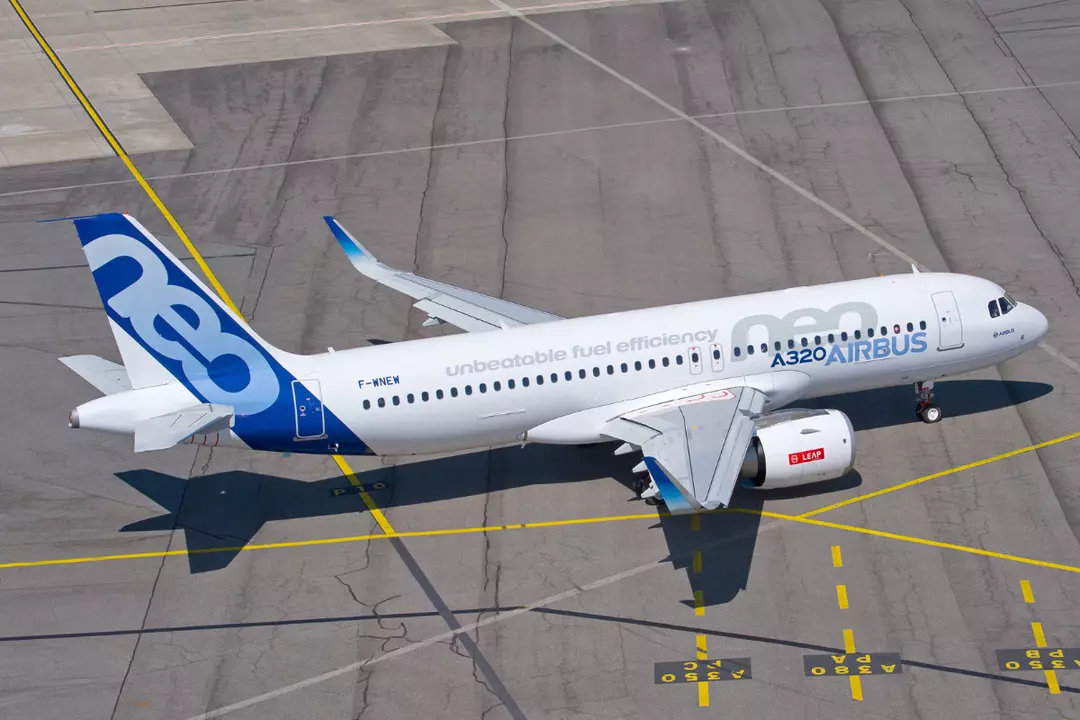
What is the Airbus A320 software issue and why are 6,000 planes grounded?
The aviation industry has been rocked by a recent software issue affecting the Airbus A320, one of the most widely used commercial aircraft in the world. In a shocking turn of events, Airbus has recalled 6,000 A320 jets due to a software glitch that was discovered after a disturbing incident in the United States. The incident involved an A320 aircraft suddenly nosediving without any pilot input, resulting in injuries to passengers on board. The sudden altitude loss was reportedly caused by solar radiation corrupting data in the aircraft’s ELAC (Elevator and Aileron Computer) system, which is responsible for translating pilot commands to the wings and tail of the plane.
The ELAC system is a critical component of the A320’s fly-by-wire system, which relies on electronic signals to control the aircraft’s movements. The system uses sensors and computers to process pilot inputs and send corresponding signals to the aircraft’s control surfaces. However, in this case, the solar radiation caused a disruption in the system, leading to a loss of control and a sudden nosedive.
Experts say that solar radiation can release charged particles that can disrupt aircraft electronics, including the ELAC system. This phenomenon is not unique to the A320, but the incident has highlighted the potential risks associated with solar radiation and aircraft electronics. The recall of 6,000 A320 jets is a precautionary measure to ensure that all affected aircraft are equipped with the necessary software updates to prevent similar incidents in the future.
The software issue is believed to be related to the way the ELAC system processes data from the aircraft’s sensors. The system uses a complex algorithm to translate pilot inputs into control surface movements, but the algorithm can be affected by external factors such as solar radiation. The software update is designed to improve the system’s ability to filter out corrupted data and prevent similar incidents from occurring.
The incident has raised concerns about the reliability of modern aircraft systems, which rely heavily on complex software and electronics. While the A320 has an excellent safety record, the incident highlights the need for continued vigilance and monitoring of aircraft systems to ensure that they are functioning properly.
The recall of 6,000 A320 jets is a significant undertaking, and it is expected to have a major impact on the aviation industry. Many airlines rely on the A320 as a workhorse, and the recall will likely cause disruptions to flight schedules and operations. However, the safety of passengers and crew is the top priority, and the recall is a necessary measure to ensure that all affected aircraft are airworthy.
In addition to the software update, Airbus is also working with airlines and regulatory authorities to develop new procedures and guidelines for dealing with solar radiation-related incidents. This includes providing training to pilots on how to respond to such incidents and developing new protocols for monitoring and maintaining aircraft systems.
The incident has also highlighted the importance of collaboration and information-sharing in the aviation industry. Airbus has been working closely with airlines, regulatory authorities, and other stakeholders to develop a solution to the software issue and to ensure that all affected aircraft are equipped with the necessary updates.
In conclusion, the Airbus A320 software issue is a complex problem that requires a comprehensive solution. The recall of 6,000 A320 jets is a precautionary measure to ensure that all affected aircraft are equipped with the necessary software updates to prevent similar incidents in the future. While the incident has raised concerns about the reliability of modern aircraft systems, it also highlights the importance of continued vigilance and monitoring of aircraft systems to ensure that they are functioning properly.
About the Author