What is the Airbus A320 software issue and why are 6,000 planes grounded?
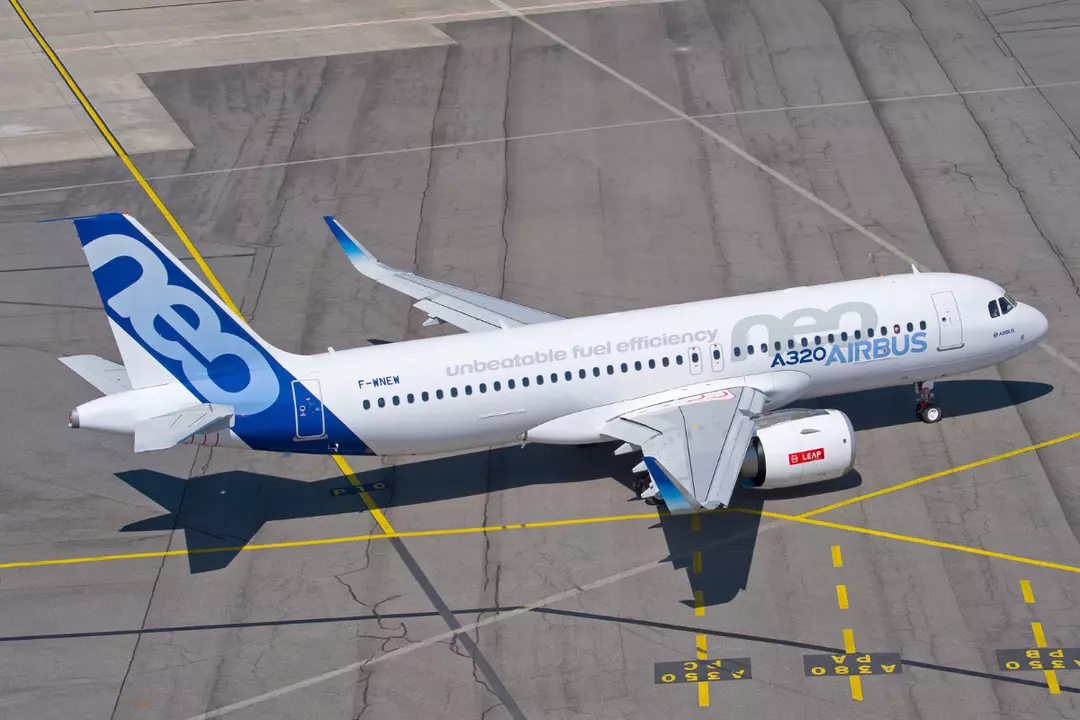
The aviation industry has been rocked by a recent software issue affecting the Airbus A320, one of the most widely used commercial aircraft in the world. In a shocking turn of events, Airbus recalled 6,000 A320 jets due to a software issue that was discovered when an A320 aircraft suddenly nosedived in the US without any pilot input, injuring several passengers. The incident has raised serious concerns about the safety of these aircraft and the potential risks posed by the software issue.
According to reports, the sudden altitude loss was caused by solar radiation corrupting data in the ELAC (Elevator and Aileron Computer) system, which translates pilot commands to the wings and tail of the aircraft. The ELAC system is a critical component of the aircraft’s flight control system, and any malfunction or disruption to this system can have catastrophic consequences.
Experts say that solar radiation can release charged particles that can disrupt aircraft electronics, including the ELAC system. This phenomenon is known as a “solar radiation event” and can occur when a solar flare or coronal mass ejection releases a large amount of energy into space. This energy can then interact with the Earth’s magnetic field and atmosphere, causing a surge in radiation that can affect aircraft electronics.
The software issue affecting the A320 is believed to be related to the way the ELAC system processes data and responds to pilot commands. In certain circumstances, the system can become confused and send incorrect signals to the wings and tail, leading to a loss of control and potentially catastrophic consequences.
The incident that led to the recall of 6,000 A320 jets occurred when an A320 aircraft suddenly nosedived without any pilot input. The aircraft’s ELAC system had apparently been affected by solar radiation, causing it to malfunction and send incorrect signals to the wings and tail. The resulting loss of control led to a sudden altitude loss, injuring several passengers on board.
The recall of 6,000 A320 jets is a significant development and highlights the seriousness of the software issue. Airbus has issued a statement saying that the recall is a precautionary measure to ensure the safety of passengers and crew. The company is working to develop a software patch to fix the issue and prevent any similar incidents from occurring in the future.
The grounding of 6,000 A320 jets will have significant implications for the aviation industry, particularly for airlines that operate large fleets of these aircraft. The recall will likely cause disruptions to flight schedules and may lead to cancellations and delays. However, the safety of passengers and crew must be the top priority, and the recall is a necessary step to ensure that the software issue is addressed and resolved.
In conclusion, the Airbus A320 software issue is a serious concern that has led to the recall of 6,000 aircraft. The incident that occurred in the US highlights the potential risks posed by the software issue and the need for urgent action to address it. The grounding of 6,000 A320 jets will have significant implications for the aviation industry, but the safety of passengers and crew must be the top priority.
As the investigation into the incident continues, it is clear that the software issue affecting the A320 is a complex problem that requires a comprehensive solution. The development of a software patch to fix the issue will be a critical step in resolving the problem and ensuring the safe operation of these aircraft.
In the meantime, airlines and regulatory authorities must take all necessary steps to ensure the safety of passengers and crew. This may include implementing additional safety measures, such as increased monitoring of solar radiation events and enhanced maintenance procedures for the ELAC system.
Ultimately, the Airbus A320 software issue highlights the importance of safety in the aviation industry. The recall of 6,000 aircraft is a significant development, and it is essential that all necessary steps are taken to address the issue and prevent any similar incidents from occurring in the future.
About the Author