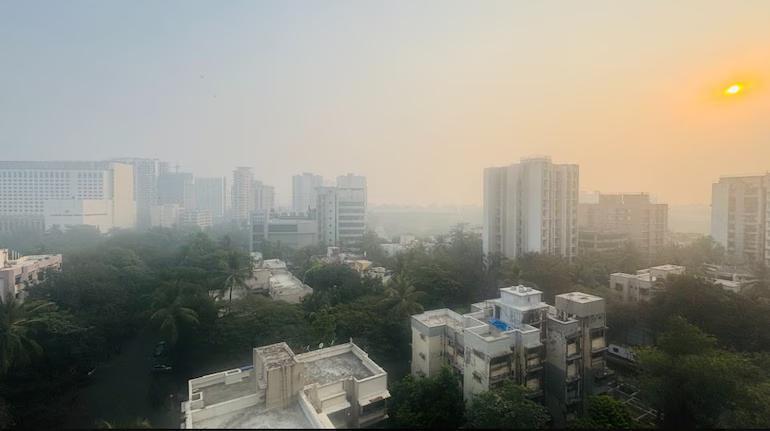
Why Mumbai’s Air is Getting Worse?
Mumbai, the financial capital of India, has been grappling with deteriorating air quality in recent days. The city’s Air Quality Index (AQI) has been fluctuating, often crossing the hazardous threshold, leaving residents gasping for breath. The sudden spike in pollution levels has raised concerns among citizens, and it’s essential to understand the factors contributing to this alarming trend. In this blog post, we’ll delve into the reasons behind Mumbai’s worsening air quality and what needs to be done to mitigate this issue.
The recent increase in air pollution in Mumbai can be attributed to a combination of local pollution sources and seasonal weather shifts. As the monsoon season came to an end, roadwork picked up pace, resulting in higher road-dust levels across the city. The construction activity, which had slowed down during the monsoon, also gained momentum, releasing large amounts of particulate matter into the air. These particles, including dust, soot, and other pollutants, are harmful to human health and contribute significantly to the city’s poor air quality.
Another major factor contributing to Mumbai’s air pollution is the surge in construction activity across the city. The rapid urbanization and infrastructure development have led to an increase in construction projects, resulting in the release of large amounts of dust, debris, and other pollutants into the air. The construction sites, often lacking proper dust control measures, become a significant source of air pollution, affecting not only the surrounding areas but also the entire city.
Industrial fumes from heavy industries and refineries along the eastern corridor are also a significant contributor to Mumbai’s air pollution. These industries, including oil refineries, chemical plants, and power plants, release large amounts of toxic gases, including sulfur dioxide, nitrogen oxides, and particulate matter, into the air. These pollutants not only harm the environment but also have severe health implications for the people living in the surrounding areas.
The geography of Mumbai also plays a role in exacerbating the air pollution problem. The city’s unique topography, with the Arabian Sea to the west and the Sanjay Gandhi National Park to the east, creates a bowl-like effect, trapping pollutants and preventing them from dispersing. This, combined with the prevailing wind patterns, leads to the accumulation of pollutants in the city, making the air quality even worse.
The impact of air pollution on human health is well-documented. Exposure to poor air quality can lead to a range of health problems, including respiratory issues, cardiovascular disease, and even cancer. The elderly, children, and people with pre-existing medical conditions are particularly vulnerable to the effects of air pollution. It’s essential for the citizens of Mumbai to take proactive steps to protect themselves from the harmful effects of air pollution, including wearing masks, avoiding outdoor activities during peak pollution hours, and using air purifiers.
So, what can be done to improve Mumbai’s air quality? The first step is to implement stricter regulations and enforcement mechanisms to control pollution from construction sites and industries. The Mumbai Municipal Corporation and the Maharashtra Pollution Control Board must work together to ensure that construction sites adhere to dust control norms and industries comply with emission standards.
The city also needs to invest in green infrastructure, including parks, gardens, and green roofs, to help absorb pollutants and improve air quality. Increasing the use of public transport, promoting electric vehicles, and encouraging carpooling and cycling can also help reduce the number of private vehicles on the road, thereby decreasing air pollution.
In conclusion, the deteriorating air quality in Mumbai is a complex issue, requiring a multi-faceted approach to resolve. The city’s residents, authorities, and industries must work together to address the root causes of pollution and implement effective solutions to improve air quality. By understanding the factors contributing to air pollution and taking collective action, we can create a healthier and more sustainable environment for the citizens of Mumbai.
About the Author