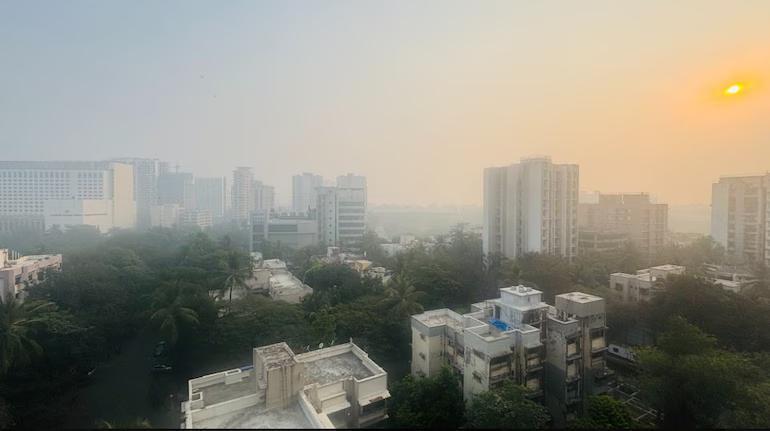
Why Mumbai’s Air is Getting Worse?
Mumbai, the financial capital of India, has been grappling with a severe air pollution crisis in recent days. The city’s air quality has deteriorated significantly, leaving its residents gasping for breath. The sudden spike in air pollution has raised concerns among citizens, health experts, and environmentalists, who are now seeking answers to this pressing issue. In this blog post, we will delve into the reasons behind the worsening air quality in Mumbai and explore the factors contributing to this crisis.
The recent increase in air pollution in Mumbai can be attributed to a combination of local pollution sources and seasonal weather shifts. One of the primary factors is the surge in roadwork across the city, which has pushed road-dust levels higher. After the monsoon season, road construction and repair activities picked up pace, leading to a significant increase in dust and particulate matter in the air. This has resulted in a decline in air quality, making it difficult for people to breathe.
Another major factor contributing to the worsening air quality in Mumbai is the surge in construction activities across the city. The rapid urbanization and infrastructure development have led to an increase in construction projects, which generate massive amounts of dust, debris, and other pollutants. These pollutants not only deteriorate the air quality but also pose serious health risks to the people living in the surrounding areas.
Industrial fumes from heavy industries and refineries along the eastern corridor are also a significant contributor to the air pollution in Mumbai. The city is home to several large-scale industrial units, including oil refineries, chemical plants, and manufacturing facilities, which release massive amounts of toxic fumes and pollutants into the air. These pollutants, including particulate matter, nitrogen oxides, and volatile organic compounds, can cause severe respiratory problems, cardiovascular diseases, and even cancer.
The seasonal weather shifts also play a crucial role in exacerbating the air pollution crisis in Mumbai. During the winter months, the air is cooler and more stagnant, which traps the pollutants close to the ground, making the air quality worse. The lack of wind and rainfall during this period also means that the pollutants are not washed away, allowing them to accumulate and concentrate in the air.
The impact of air pollution on human health is well-documented. Exposure to poor air quality can cause a range of health problems, from mild respiratory issues to life-threatening diseases. The World Health Organization (WHO) estimates that air pollution is responsible for an estimated seven million premature deaths worldwide each year. In Mumbai, the air pollution crisis has already started to take its toll, with reports of increased hospitalizations and respiratory problems on the rise.
So, what can be done to address the air pollution crisis in Mumbai? The first step is to acknowledge the problem and take immediate action to reduce the pollution sources. The government, industries, and citizens must work together to implement measures to mitigate the impact of air pollution. This can include increasing the use of clean energy sources, promoting the use of electric or hybrid vehicles, and implementing strict emission norms for industries.
The municipal authorities must also take steps to reduce the dust and debris generated by construction activities. This can be achieved by implementing proper waste management practices, using dust-suppressing technologies, and enforcing strict regulations on construction sites. The citizens can also play a crucial role by adopting environmentally friendly practices, such as using public transport, carpooling, or cycling, and reducing their energy consumption.
In conclusion, the air pollution crisis in Mumbai is a complex issue that requires a multi-faceted approach to solve. The combination of local pollution sources, seasonal weather shifts, and industrial activities has created a perfect storm that is deteriorating the air quality in the city. It is essential for the government, industries, and citizens to work together to address this crisis and implement measures to reduce the pollution sources. By taking collective action, we can improve the air quality in Mumbai and create a healthier, more sustainable environment for its residents.
About the Author