Why Mumbai’s Air is Getting Worse?
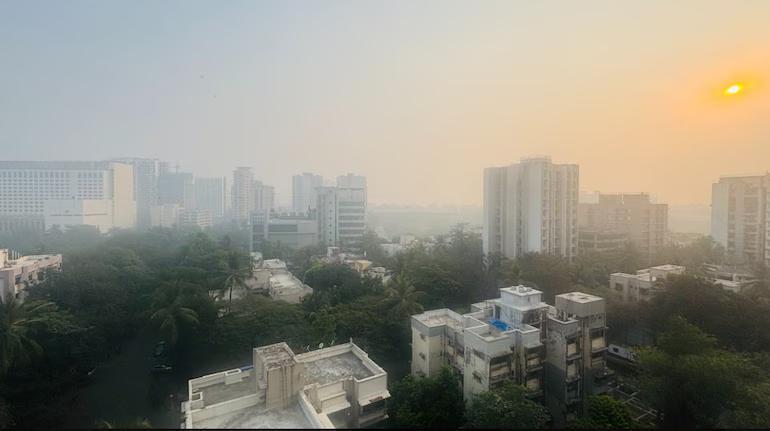
Mumbai, the financial capital of India, is known for its vibrant culture, rich history, and bustling streets. However, in recent days, the city has been grappling with a severe air pollution crisis. The air quality in Mumbai has deteriorated significantly, leaving residents and visitors alike struggling to breathe. The sudden spike in air pollution has raised concerns among citizens, and it’s essential to understand the factors contributing to this crisis.
One of the primary reasons for the worsening air quality in Mumbai is the combination of local pollution sources and seasonal weather shifts. As the monsoon season comes to an end, roadwork picks up, pushing road-dust levels higher across the city. The construction of new roads, flyovers, and buildings creates a massive amount of dust, which gets suspended in the air, contributing to the poor air quality. Moreover, the lack of proper dust control measures during construction activities exacerbates the problem.
Another significant factor contributing to Mumbai’s air pollution is the surge in construction across the city. The rapid urbanization and development of infrastructure projects have led to an increase in construction activities, resulting in a significant amount of dust and particulate matter being released into the air. The construction of high-rise buildings, malls, and other infrastructure projects has become a common sight in Mumbai, and the lack of effective regulations to control dust pollution has worsened the situation.
Industrial fumes from heavy industries and refineries along the eastern corridor of Mumbai are also a major contributor to the city’s air pollution. The presence of oil refineries, chemical plants, and other industrial units in the area releases a significant amount of toxic gases and particulate matter into the air, posing a severe threat to the health and well-being of residents. The lack of proper emission control measures and inadequate monitoring of industrial activities have allowed pollution to go unchecked, further deteriorating the air quality.
In addition to these local factors, seasonal weather shifts also play a significant role in Mumbai’s air pollution. During the winter months, the city experiences a temperature inversion, where a layer of cool air is trapped under a layer of warm air, preventing the pollutants from escaping. This phenomenon, combined with the lack of wind, leads to a concentration of pollutants in the air, making it difficult for residents to breathe.
The impact of air pollution on human health is well-documented. Exposure to poor air quality can lead to a range of health problems, including respiratory issues, cardiovascular disease, and even cancer. Children, older adults, and people with pre-existing medical conditions are particularly vulnerable to the effects of air pollution. The economic impact of air pollution is also significant, with studies suggesting that it can lead to lost productivity, increased healthcare costs, and a decline in quality of life.
So, what needs to be done to address Mumbai’s air pollution crisis? Firstly, the government and regulatory authorities must take immediate action to control dust pollution from construction activities. This can be achieved by implementing stricter regulations, conducting regular inspections, and imposing penalties on violators. Additionally, construction companies must be required to use dust control measures, such as sprinkler systems and dust screens, to minimize the amount of dust released into the air.
Secondly, the government must take steps to reduce industrial pollution from heavy industries and refineries. This can be achieved by implementing stricter emission norms, conducting regular monitoring, and imposing penalties on industries that fail to comply. Moreover, the government must promote the use of cleaner fuels and technologies, such as solar and wind power, to reduce the dependence on fossil fuels.
Finally, the citizens of Mumbai must also play a role in reducing air pollution. This can be achieved by using public transport, carpooling, or using eco-friendly modes of transport, such as bicycles or electric vehicles. Residents can also contribute by reducing their energy consumption, using energy-efficient appliances, and promoting the use of renewable energy sources.
In conclusion, the deteriorating air quality in Mumbai is a complex issue that requires a multi-faceted approach to resolve. The combination of local pollution sources, seasonal weather shifts, and lack of effective regulations has created a perfect storm that is having a devastating impact on the health and well-being of residents. It’s essential that the government, regulatory authorities, and citizens work together to address this crisis and create a cleaner, healthier, and more sustainable environment for future generations.
About the Author