Why Mumbai’s Air is Getting Worse?
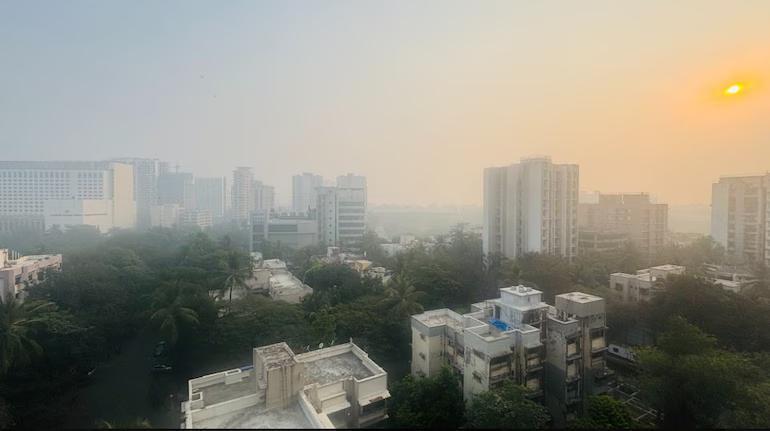
Mumbai, the financial capital of India, is known for its fast-paced lifestyle, vibrant culture, and stunning coastline. However, in recent days, the city has been grappling with a severe air pollution crisis. The air quality in Mumbai has deteriorated significantly, causing concern among residents, health experts, and environmentalists. The sudden spike in air pollution has been attributed to a combination of local pollution sources and seasonal weather shifts. In this blog post, we will delve into the reasons behind the worsening air quality in Mumbai and explore the possible solutions to mitigate this issue.
One of the primary factors contributing to the poor air quality in Mumbai is the increased roadwork across the city. After the monsoon season, road construction and repair activities have picked up, leading to a significant rise in road-dust levels. The dust and debris generated from these activities are not only a nuisance but also a major source of air pollution. The particulate matter (PM) emitted from these sources can cause respiratory problems, cardiovascular diseases, and other health issues. Moreover, the lack of proper dust control measures during roadwork has exacerbated the problem, allowing the pollutants to spread across the city.
Another significant contributor to Mumbai’s air pollution is the surge in construction activities across the city. The construction sector is a major source of pollution, with activities such as demolition, excavation, and building construction generating large amounts of dust and debris. The construction boom in Mumbai has led to an increase in the number of building sites, resulting in a significant rise in air pollution. The use of diesel-powered equipment, such as cranes and excavators, also emits harmful pollutants, including particulate matter, nitrogen oxides, and volatile organic compounds.
Industrial fumes from heavy industries and refineries along the eastern corridor of Mumbai are also a major source of air pollution. These industries, including oil refineries, chemical plants, and power plants, emit large amounts of pollutants, including particulate matter, sulfur dioxide, and nitrogen oxides. The eastern corridor of Mumbai is home to several industrial estates, including the Bharat Petroleum refinery, the Hindustan Petroleum refinery, and the Tata Power plant. These industries are a significant source of air pollution, and their emissions have a profound impact on the air quality in Mumbai.
Seasonal weather shifts also play a crucial role in exacerbating air pollution in Mumbai. During the winter months, the city experiences a temperature inversion, where a layer of cool air is trapped under a layer of warm air. This phenomenon prevents the pollutants from dispersing, leading to a buildup of pollutants in the air. Additionally, the wind patterns during the winter months are often calm, which reduces the dispersal of pollutants, further worsening the air quality.
The impact of air pollution on human health is well-documented. Exposure to poor air quality can cause a range of health problems, including respiratory diseases, cardiovascular diseases, and even cancer. Children, older adults, and people with pre-existing medical conditions are particularly vulnerable to the effects of air pollution. The economic impact of air pollution is also significant, with studies suggesting that air pollution costs the Indian economy billions of dollars each year in terms of healthcare costs and lost productivity.
So, what can be done to mitigate the air pollution crisis in Mumbai? Firstly, the city needs to implement stricter regulations on construction activities, including the use of dust control measures and emission norms for diesel-powered equipment. The Mumbai Municipal Corporation (BMC) can play a crucial role in enforcing these regulations and ensuring that construction sites comply with the norms. Secondly, the city needs to promote the use of clean energy sources, such as solar and wind power, to reduce its dependence on fossil fuels. This can be achieved through incentives, such as tax breaks and subsidies, for industries and households that adopt clean energy sources.
Thirdly, the city needs to improve its public transportation system, encouraging people to use public transport, walk, or cycle instead of using private vehicles. This can be achieved through the development of efficient and reliable public transportation systems, including bus and train networks. Additionally, the city can promote the use of electric and hybrid vehicles, which emit significantly less pollutants than traditional fossil fuel-powered vehicles.
Finally, the city needs to raise awareness about the importance of air quality and the simple steps that individuals can take to reduce their contribution to air pollution. This can be achieved through public awareness campaigns, educational programs, and community outreach initiatives. By working together, we can reduce the air pollution in Mumbai and create a healthier, more sustainable environment for all.
In conclusion, the air quality in Mumbai has deteriorated significantly due to a combination of local pollution sources and seasonal weather shifts. Roadwork, construction activities, industrial fumes, and seasonal weather shifts are all contributing to the poor air quality in the city. To mitigate this crisis, we need to implement stricter regulations, promote clean energy sources, improve public transportation, and raise awareness about the importance of air quality. By taking these steps, we can reduce the air pollution in Mumbai and create a healthier, more sustainable environment for all.
About the Author