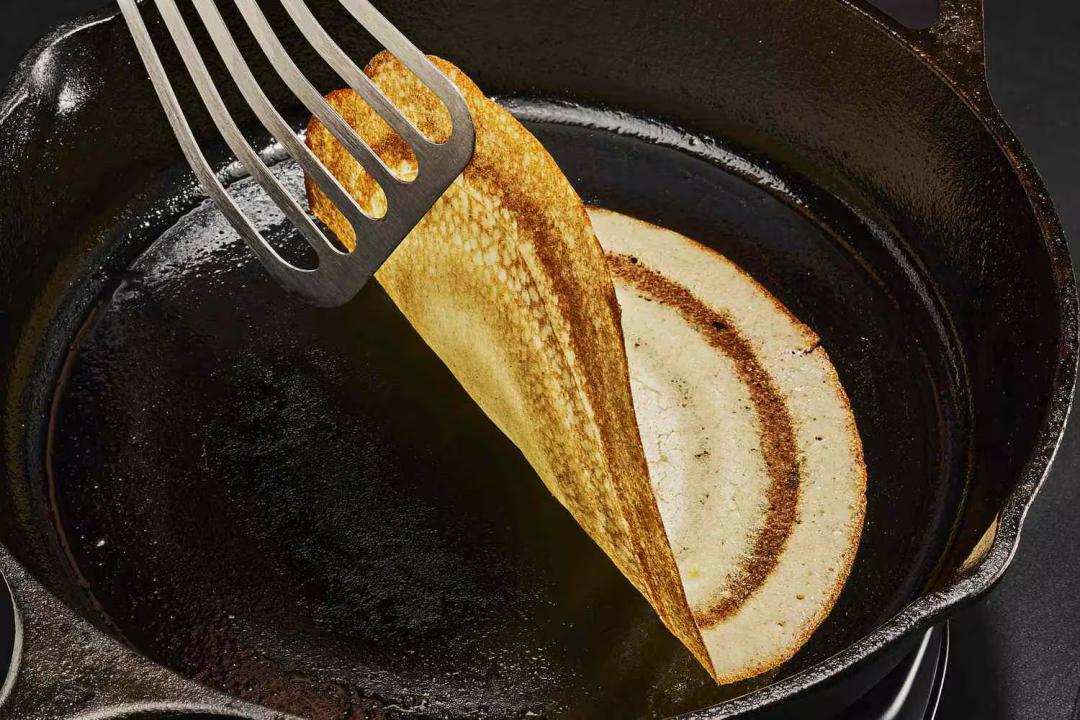
IIT-Madras professor explains why dosas are crispy on outside & soft on inside
Dosa, a traditional Indian dish, has been a staple in many households for centuries. The delicate balance of crunch on the outside and softness on the inside has always fascinated food enthusiasts and scientists alike. Recently, Prof Mahesh Panchagnula from IIT-Madras shed light on the science behind this phenomenon, and it’s more fascinating than you think.
The practice of sprinkling water on a hot tawa before pouring dosa batter is a common technique used by chefs and home cooks to achieve the perfect dosa. But have you ever wondered why this technique works? According to Prof Panchagnula, it’s linked to the Leidenfrost Effect, a phenomenon identified in Germany in the 18th century.
The Leidenfrost Effect is a phenomenon where a liquid, in this case, water, comes into contact with a surface that is significantly hotter than its boiling point. When this happens, the water droplets don’t immediately evaporate. Instead, they create a thin layer of vapor that acts as a barrier between the water and the hot surface. This vapor layer reduces the heat transfer between the water and the surface, allowing the water to “float” on top of the vapor layer.
Now, let’s apply this concept to the art of making dosas. When you sprinkle water on a hot tawa, it creates a thin layer of vapor that prevents the dosa batter from coming into direct contact with the hot surface. This vapor layer, also known as the Leidenfrost layer, reduces the heat transfer between the batter and the tawa, allowing the dosa to cook evenly and preventing it from sticking to the surface.
But what happens when the tawa isn’t hot enough? In this case, the water evaporates slowly, and the dosa batter comes into direct contact with the surface. This can result in a dosa that is sticky and unevenly cooked. On the other hand, when the tawa is at the right temperature, the water glides and floats on the thin vapor layer, creating a perfect environment for the dosa to cook.
The combination of the Leidenfrost Effect and the right temperature creates a dosa that is crispy on the outside and soft on the inside. The vapor layer allows the dosa to cook evenly, while the heat from the tawa causes the outer layer to become crispy. At the same time, the inside of the dosa remains soft and fluffy, thanks to the reduced heat transfer.
This scientific explanation may seem like a complex concept, but it’s essentially the key to making the perfect dosa. By understanding the Leidenfrost Effect and its role in cooking, chefs and home cooks can optimize their dosa-making technique to achieve the perfect balance of crunch and softness.
In addition to the Leidenfrost Effect, there are other factors that contribute to the perfect dosa. The type of batter used, the temperature of the tawa, and the cooking time all play a crucial role in determining the texture and flavor of the dosa. However, by mastering the technique of sprinkling water on a hot tawa, you can take your dosa-making skills to the next level.
In conclusion, the science behind the perfect dosa is more fascinating than you think. By understanding the Leidenfrost Effect and its role in cooking, you can unlock the secrets of making the perfect dosa. Whether you’re a seasoned chef or a home cook, this knowledge can help you take your dosa-making skills to new heights.
So the next time you make a dosa, remember the science behind the technique. Sprinkle water on that hot tawa, and watch as the magic happens. The combination of the Leidenfrost Effect and the right temperature will create a dosa that is crispy on the outside and soft on the inside, a true delight for the senses.
News Source: https://x.com/iitmadras/status/1993901259925909929
About the Author