Why Mumbai’s Air is Getting Worse?
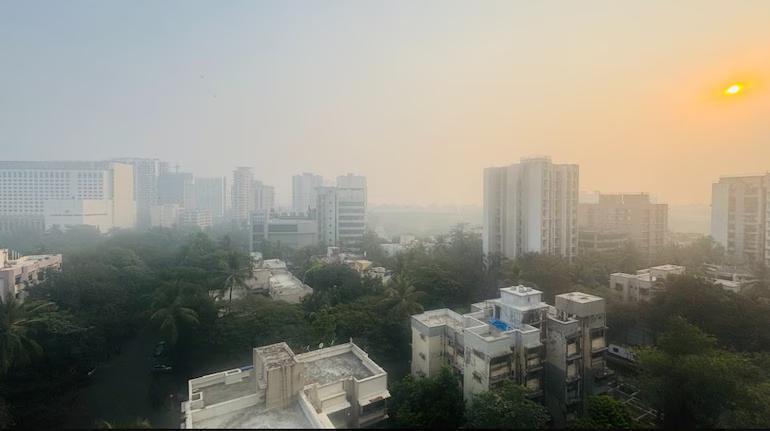
Mumbai, the financial capital of India, is known for its vibrant culture, bustling streets, and iconic landmarks. However, in recent days, the city has been grappling with a serious environmental issue – deteriorating air quality. The air quality index (AQI) in Mumbai has been fluctuating, with some areas recording hazardous levels of pollution. This sudden spike in pollution has raised concerns among citizens, health experts, and environmentalists. In this blog post, we will delve into the reasons behind the worsening air quality in Mumbai and explore possible solutions to mitigate this issue.
One of the primary factors contributing to the poor air quality in Mumbai is the increase in roadwork and construction activities across the city. After the monsoon season, roadwork picked up pace, leading to a significant rise in road-dust levels. The construction sector, which is a major contributor to the city’s economy, has also seen a surge in activity, resulting in increased emissions of particulate matter, nitrogen oxides, and other pollutants. The combination of these local pollution sources and seasonal weather shifts has created a perfect storm, exacerbating the air quality problems in Mumbai.
Another significant factor contributing to the poor air quality in Mumbai is the presence of heavy industries and refineries along the eastern corridor. These industries emit large amounts of pollutants, including particulate matter, sulfur dioxide, and nitrogen oxides, which can travel long distances and affect air quality in other parts of the city. The eastern corridor, which is home to several industrial estates, has become a hotspot for pollution, with many areas recording high levels of air pollution.
The surge in construction activity across the city is also a major contributor to the worsening air quality. Construction sites are known to generate large amounts of dust, which can become airborne and contribute to poor air quality. Additionally, the use of diesel generators, heavy machinery, and other equipment at construction sites also emits pollutants, further exacerbating the problem. The lack of effective dust control measures at construction sites has made the situation worse, allowing large amounts of dust to escape into the atmosphere.
The impact of poor air quality on human health is well-documented. Exposure to polluted air can cause a range of health problems, from mild respiratory issues to serious cardiovascular diseases. Children, older adults, and people with pre-existing medical conditions are particularly vulnerable to the effects of air pollution. The economic costs of poor air quality are also significant, with estimates suggesting that air pollution costs the Indian economy billions of dollars each year.
So, what can be done to improve the air quality in Mumbai? Firstly, the city needs to adopt a more sustainable approach to urban planning and development. This includes promoting the use of public transport, cycling, and walking, and encouraging the development of green spaces and parks. The city also needs to implement more effective pollution control measures, such as increasing the use of clean energy sources, promoting the use of electric vehicles, and implementing stricter emission norms for industries and vehicles.
The government also needs to take a more proactive approach to addressing the issue of air pollution. This includes increasing funding for pollution control measures, implementing stricter regulations on industries and construction sites, and promoting public awareness campaigns to educate citizens about the importance of air quality. The city also needs to invest in more effective air quality monitoring systems, which can provide real-time data on air pollution levels and help identify areas that require immediate attention.
In conclusion, the deteriorating air quality in Mumbai is a complex issue that requires a multi-faceted approach to resolve. The city needs to adopt a more sustainable approach to urban planning and development, implement more effective pollution control measures, and promote public awareness about the importance of air quality. By working together, we can improve the air quality in Mumbai and create a healthier, more sustainable environment for all citizens.
About the Author