Why Mumbai’s Air is Getting Worse?
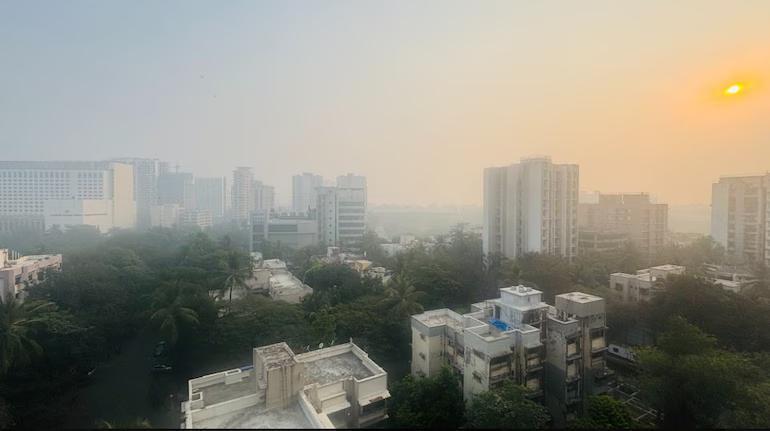
Mumbai, the financial capital of India, is known for its fast-paced life, bustling streets, and iconic landmarks. However, in recent days, the city has been grappling with a severe air pollution crisis. The air quality in Mumbai has deteriorated significantly, leaving residents gasping for breath. The sudden spike in air pollution has raised concerns among citizens, and it’s essential to understand the reasons behind this alarming trend.
According to recent reports, Mumbai’s air quality has taken a turn for the worse due to a combination of local pollution sources and seasonal weather shifts. One of the primary factors contributing to the poor air quality is the increased roadwork across the city. After the monsoon season, road construction and repair activities have picked up pace, leading to higher levels of road dust in the air. This dust, rich in particulate matter (PM), is a significant contributor to air pollution and can cause respiratory problems, cardiovascular diseases, and even lung cancer.
Another major factor exacerbating the air pollution crisis in Mumbai is the surge in construction activities across the city. The rapid urbanization and development of infrastructure projects have led to an increase in dust emissions from construction sites. The dust generated from these sites can travel long distances, polluting the air and affecting not only the surrounding areas but also the entire city. Moreover, the construction activities also lead to an increase in vehicle movement, which further adds to the air pollution.
Industrial fumes from heavy industries and refineries along the eastern corridor of Mumbai are also a significant contributor to the city’s poor air quality. These industries release large amounts of toxic gases, including particulate matter, nitrogen oxides, and volatile organic compounds, which can cause severe health problems. The eastern corridor, which is home to several industrial estates, refineries, and power plants, has become a pollution hotspot, affecting not only the surrounding areas but also the entire city.
The seasonal weather shifts have also played a role in the deteriorating air quality in Mumbai. During the winter months, the temperature and humidity levels are relatively low, which leads to a decrease in the atmospheric dispersion of pollutants. As a result, the pollutants emitted from various sources tend to accumulate in the air, leading to higher concentrations of particulate matter and other pollutants. This phenomenon, known as temperature inversion, can exacerbate the air pollution problem, making the air quality even worse.
The impact of air pollution on human health is well-documented. Exposure to poor air quality can lead to a range of health problems, including respiratory diseases, cardiovascular diseases, and even cancer. Children, elderly people, and those with pre-existing medical conditions are particularly vulnerable to the effects of air pollution. Moreover, air pollution can also have economic and social implications, affecting productivity, quality of life, and overall well-being.
To combat the air pollution crisis in Mumbai, it’s essential to adopt a multi-faceted approach that involves both short-term and long-term measures. In the short term, the city authorities can implement measures such as increasing the frequency of street cleaning, imposing fines on polluting vehicles, and enforcing stricter emission norms for industries. Additionally, the authorities can also promote the use of public transport, carpooling, and cycling to reduce the number of vehicles on the road.
In the long term, the city needs to adopt a more sustainable and holistic approach to urban planning and development. This can include measures such as promoting green infrastructure, increasing the use of renewable energy sources, and implementing waste management practices that minimize waste disposal in landfills. Moreover, the city authorities can also engage with citizens, industries, and other stakeholders to raise awareness about air pollution and promote community-led initiatives to reduce pollution.
In conclusion, the deteriorating air quality in Mumbai is a complex issue that requires a comprehensive and sustained effort to address. The city’s air pollution crisis is a result of a combination of local pollution sources and seasonal weather shifts. To improve the air quality, it’s essential to adopt a multi-faceted approach that involves both short-term and long-term measures. By working together, we can reduce air pollution, promote sustainable development, and create a healthier and more livable city for all.
About the Author