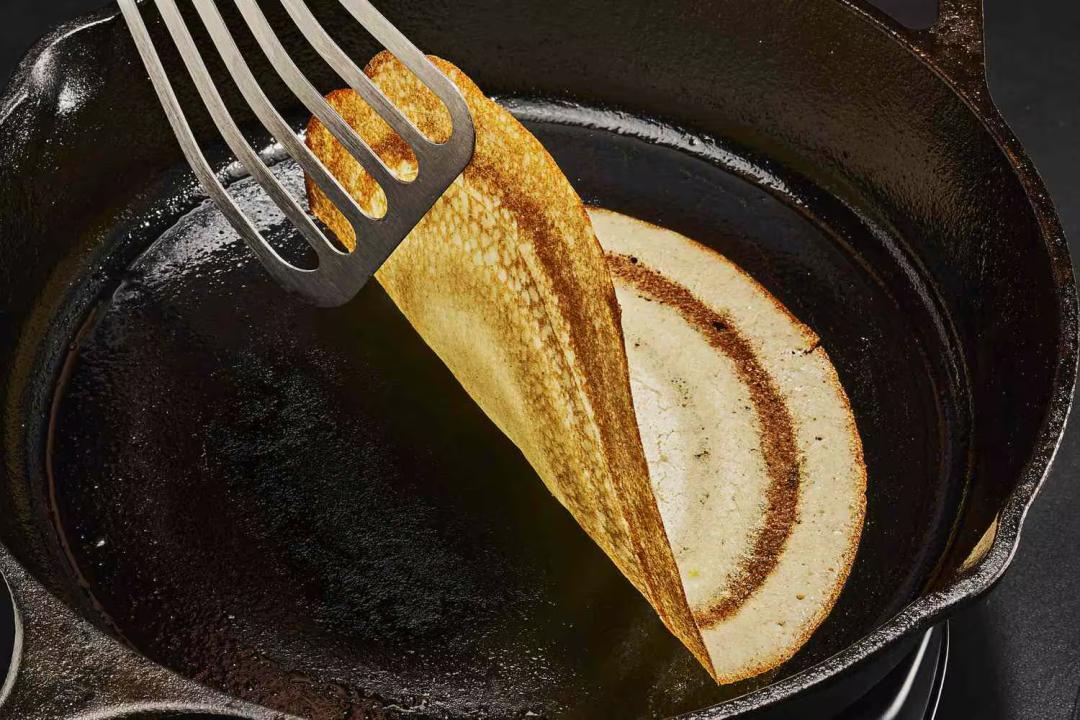
IIT-Madras professor explains why dosas are crispy on outside & soft on inside
The art of making the perfect dosa is a revered tradition in Indian cuisine. For centuries, chefs and home cooks have been perfecting the technique of crafting these delicate, fermented crepes that are crispy on the outside and soft on the inside. But have you ever wondered what makes a dosa achieve this perfect balance of textures? According to Prof Mahesh Panchagnula from IIT-Madras, the secret lies in the science behind the cooking process, specifically the Leidenfrost Effect.
For the uninitiated, the Leidenfrost Effect is a phenomenon that occurs when a liquid comes into contact with a surface that is significantly hotter than its boiling point. This effect was first identified in the 18th century by Johann Leidenfrost, a German doctor and theologian. In the context of dosa making, the Leidenfrost Effect plays a crucial role in creating the perfect texture.
According to Prof Panchagnula, the practice of sprinkling water on a hot tawa (griddle) before pouring the dosa batter is linked to the Leidenfrost Effect. When the tawa is not hot enough, the water evaporates slowly, failing to create the desired effect. However, when the tawa reaches the right temperature, the water glides and floats on a thin vapor layer, creating a cushion of steam that prevents the dosa from sticking to the surface.
This is where the magic happens. As the dosa batter is poured onto the hot tawa, it comes into contact with the thin vapor layer created by the Leidenfrost Effect. The steam cushion allows the dosa to cook evenly, while the heat from the tawa sears the outside, creating a crispy crust. At the same time, the inside of the dosa remains soft and fluffy, thanks to the gentle cooking process.
But why is the Leidenfrost Effect so critical in achieving this perfect texture? The answer lies in the way the steam cushion affects the cooking process. When the dosa batter comes into contact with the hot tawa, it starts to cook rapidly, causing the starches to gelatinize and the proteins to denature. However, if the tawa is too hot, the dosa can become overcooked and brittle. The Leidenfrost Effect helps to mitigate this by creating a buffer zone between the dosa and the tawa, allowing the dosa to cook evenly and preventing it from becoming too crispy or burnt.
In addition to the Leidenfrost Effect, other factors such as the type of batter used, the temperature of the tawa, and the cooking time all play a role in determining the final texture of the dosa. However, the Leidenfrost Effect is a critical component of the process, and understanding its role can help cooks to perfect their dosa-making skills.
So, the next time you bite into a crispy, golden-brown dosa, remember the science behind its creation. The Leidenfrost Effect may seem like a complex phenomenon, but it is a key factor in achieving the perfect texture that dosa lovers crave. And if you’re looking to improve your dosa-making skills, take a cue from Prof Panchagnula and pay attention to the temperature of your tawa – it could make all the difference in creating the perfect dosa.
In conclusion, the art of making the perfect dosa is a complex process that involves a deep understanding of the science behind the cooking process. The Leidenfrost Effect, identified in Germany in the 18th century, plays a critical role in creating the perfect texture, and understanding its role can help cooks to perfect their dosa-making skills. Whether you’re a seasoned chef or a home cook, the next time you make a dosa, remember the science behind its creation, and take a moment to appreciate the beauty of the Leidenfrost Effect in action.
News Source: https://x.com/iitmadras/status/1993901259925909929
About the Author