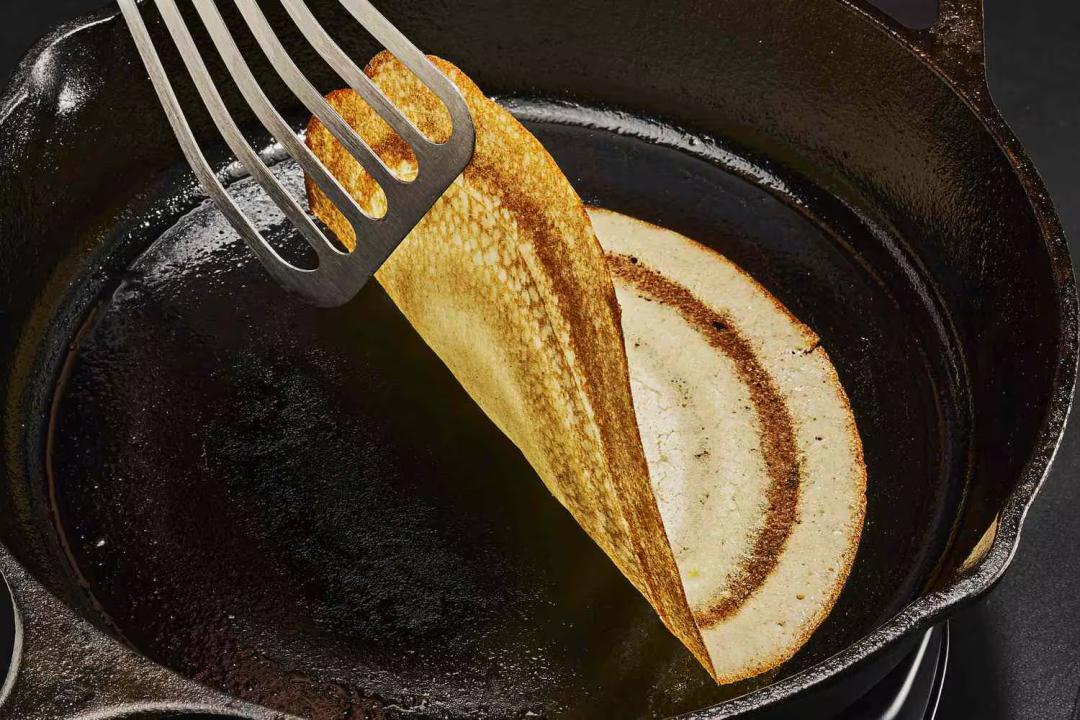
IIT-Madras professor explains why dosas are crispy on outside & soft on inside
The humble dosa, a staple of Indian cuisine, has been a topic of fascination for many food enthusiasts. The combination of a crispy exterior and a soft interior has made it a favorite among many. But have you ever wondered what makes dosas crispy on the outside and soft on the inside? A professor from IIT-Madras, Prof Mahesh Panchagnula, has shed light on the science behind this phenomenon.
According to Prof Panchagnula, the practice of sprinkling water on a hot tawa before pouring the dosa batter is linked to the Leidenfrost Effect, a concept identified in Germany in the 18th century. This effect occurs when a liquid comes into contact with a surface that is significantly hotter than the liquid’s boiling point. In the case of dosas, the water sprinkled on the hot tawa creates a thin vapor layer between the tawa and the dosa batter. This layer prevents the dosa from sticking to the tawa and allows it to cook evenly.
But what happens when the tawa isn’t hot enough? In this case, the water evaporates slowly, and the dosa batter comes into direct contact with the tawa. This can result in a dosa that is sticky and unevenly cooked. On the other hand, when the tawa is at the right temperature, the water glides and floats on the thin vapor layer, creating a non-stick surface for the dosa to cook on. This is the key to achieving a crispy exterior and a soft interior.
The Leidenfrost Effect is named after Johann Leidenfrost, a German doctor who first observed the phenomenon in 1756. He noticed that when a liquid is dropped onto a surface that is significantly hotter than the liquid’s boiling point, it forms a thin vapor layer that prevents the liquid from coming into direct contact with the surface. This effect has been observed in many everyday situations, from cooking to industrial processes.
In the case of dosas, the Leidenfrost Effect plays a crucial role in achieving the perfect texture. When the dosa batter is poured onto the hot tawa, it comes into contact with the thin vapor layer created by the sprinkled water. This layer prevents the dosa from sticking to the tawa and allows it to cook evenly. As the dosa cooks, the vapor layer helps to create a crispy exterior, while the interior remains soft and fluffy.
But the science behind dosas doesn’t stop there. The type of batter used, the temperature of the tawa, and the cooking time all play a crucial role in achieving the perfect texture. The batter, typically made from a mixture of rice and lentils, must be fermented to create the right balance of acidity and alkalinity. This fermentation process helps to break down the starches in the rice and lentils, creating a batter that is both crispy and soft.
The temperature of the tawa is also critical. If the tawa is too hot, the dosa will cook too quickly, resulting in a burnt exterior and an undercooked interior. On the other hand, if the tawa is too cool, the dosa will cook too slowly, resulting in a sticky and unevenly cooked texture. The ideal temperature for cooking dosas is between 200-250°C, which allows for a crispy exterior and a soft interior.
In addition to the temperature of the tawa, the cooking time also plays a crucial role in achieving the perfect texture. The dosa must be cooked for the right amount of time to allow the exterior to crisp up, while the interior remains soft and fluffy. If the dosa is cooked for too long, the exterior will become too crispy, while the interior will become dry and hard.
In conclusion, the science behind dosas is fascinating and complex. The combination of the Leidenfrost Effect, the type of batter used, the temperature of the tawa, and the cooking time all come together to create a crispy exterior and a soft interior. Whether you’re a food enthusiast or simply a lover of dosas, understanding the science behind this beloved dish can help you appreciate the craftsmanship and skill that goes into creating it.
Source: https://x.com/iitmadras/status/1993901259925909929
About the Author